
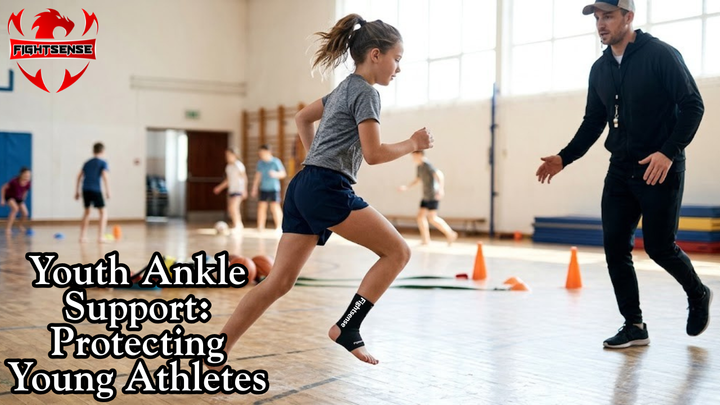
Youth Ankle Support: Protecting Young Athletes
29th Jun 2025
Youth Ankle Support is essential for young athletes in sports like football and soccer. It helps protect growing joints from sprains, twists, and strains, keeping athletes safe and performing their best. In this blog, we’ll explore its importance, benefits, and the best types for youth football and soccer.
Key Highlights:
- Youth ankle support provides stability and injury prevention for young athletes.
- Youth football ankle support stabilizes the joint and prevents sprains.
- Youth soccer ankle support helps with quick direction changes and prevents injuries.
- Choose the right ankle support based on fit, material, and activity level.
Strong Ankles, Safe Play: Protecting Young Athletes:
For young athletes, staying active and competitive is exciting, but it also comes with risks. One of the most common and often overlooked areas prone to injury is the ankle. Sprains, strains, and fractures can not only sideline a child temporarily but may also affect long-term mobility if not addressed properly.
Proper ankle support—through braces, sleeves, or taping—can play a critical role in preventing injuries, boosting confidence, and helping young athletes enjoy sports safely.
Understanding Youth Ankle Injuries:
Children and teenagers are particularly vulnerable to ankle injuries due to developing bones, ligaments, and muscles. The most frequent injuries include:
-
Sprains: Stretching or tearing of ligaments, often caused by rolling the ankle during sports.
-
Strains: Overstretching of muscles or tendons around the ankle.
-
Fractures: Less common but more serious, often requiring medical intervention.
Causes of injuries can vary, but some common factors include improper technique, inadequate footwear, high-impact sports like basketball or soccer, overuse, and growth-related vulnerability. Without proper care, even minor injuries can become chronic issues.
Types of Youth Ankle Support:
Ankle supports come in various forms, each designed to stabilize and protect the joint:
1. Ankle Braces:
-
-
Soft braces: Provide compression and mild support, ideal for everyday practice.
-
Rigid braces: Offer strong stabilization, commonly used after a previous injury.
-
2. Compression Sleeves or Socks:
-
-
Lightweight, flexible, and great for mild support.
-
Improve circulation and reduce swelling during activity.
-
3. Tape and Strapping Techniques:
-
-
Popular in competitive sports.
-
Provides customized support but requires proper technique to avoid cutting off circulation.
-
Each option has pros and cons, and the right choice depends on the athlete’s age, sport, and history of injuries.
Choosing the Right Ankle Support:
When selecting ankle support, consider the following:
-
Age and size of the athlete: A brace designed for adults may be too bulky for a child.
-
Type of sport: High-impact sports may require more rigid support.
-
Level of activity: More active athletes need durable, long-lasting support.
-
Previous injuries: Recurring sprains often need stronger or more specialized braces.
Consulting a sports medicine professional can help determine the best fit, especially for young athletes with prior injuries.
Proper Use and Maintenance:
Wearing ankle support correctly is just as important as choosing the right type:
-
Ensure a snug but comfortable fit without restricting blood flow.
-
Use support during training and games, not continuously unless prescribed.
-
Wash and air-dry braces or sleeves regularly to maintain hygiene.
-
Replace worn or stretched-out supports to maintain effectiveness.
Improper use can reduce protection or even worsen injury risk.
Complementary Strategies for Ankle Health:
Ankle support works best when combined with preventive practices:
-
Strengthening exercises: Calf raises, ankle circles, and resistance bands improve stability.
-
Balance training: Activities like single-leg stands and wobble boards enhance proprioception.
-
Warm-ups and cool-downs: Dynamic stretches before play and gentle stretches afterward reduce injury risk.
-
Proper footwear and surfaces: Shoes should provide support, and sports should be played on safe, even surfaces whenever possible.
These strategies not only protect the ankle but improve overall athletic performance.
Role of Coaches and Parents:
Support from adults is crucial in keeping young athletes safe:
-
Monitor for injury signs: Swelling, limping, or complaints of pain should never be ignored.
-
Educate athletes: Teach correct techniques, safe practices, and the importance of using ankle support.
-
Encourage safe participation: Avoid pushing children to play through pain; prevention is always better than recovery.
Enhancing Young Athletes’ Safety with Fightsense Ankle Support:
When it comes to reliable ankle support for active young athletes, Fightsense offers practical solutions designed to enhance stability and reduce injury risk. Their ankle support products—including braces, compression sleeves, and wraps—are engineered to keep joints secure during movement while still allowing natural mobility.
Whether your young athlete is training in soccer, basketball, or other high‑impact sports, quality support from a brand like Fightsense can help prevent common ankle injuries and support performance by providing compression, stability, and comfort during activity.
FAQS:
1. What is youth ankle support?
It protects young athletes’ joints from sprains, twists, and strains.
2. How does football ankle support help?
It stabilizes the ankle and prevents sprains during play.
3. How does soccer ankle support help?
It supports quick movements and reduces injury risk.
4. How to choose the right ankle support?
Pick based on fit, material, and activity level.
5. Can ankle supports prevent all injuries?
They reduce risk but should be combined with proper training and warm-ups.
Conclusion:
Youth ankle support is essential for young athletes, whether they're playing football, soccer, or any other sport that requires ankle stability and protection. By choosing the right youth football ankle support or soccer ankle support, you can help your child avoid injuries, improve their performance, and recover faster from any existing injuries. With the proper protection in place, they can stay active and healthy while enjoying the sports they love.
Note:
This blog is for informational purposes only. Always consult a healthcare professional before choosing or using any ankle support, especially if your child is recovering from an injury or has a pre-existing condition.