How to Wear Ankle Compression Sleeve: Step-by-Step Guide
Are you tired of nagging ankle pain slowing you down during your workouts or daily routine? Knowing exactly how to wear ankle compression sleeve correctly is key to reducing swelling, supporting injuries, and enhancing recovery. The right fit and proper wear time ensure maximum benefits, whether for daily activity or post-injury support. In this guide, we’ll cover expert tips on wearing ankle compression sleeves, choosing the right size—including plus-size options—and getting the best results for your journey toward pain-free movement.
How to Wear Ankle Compression Sleeve (The Easy Way)
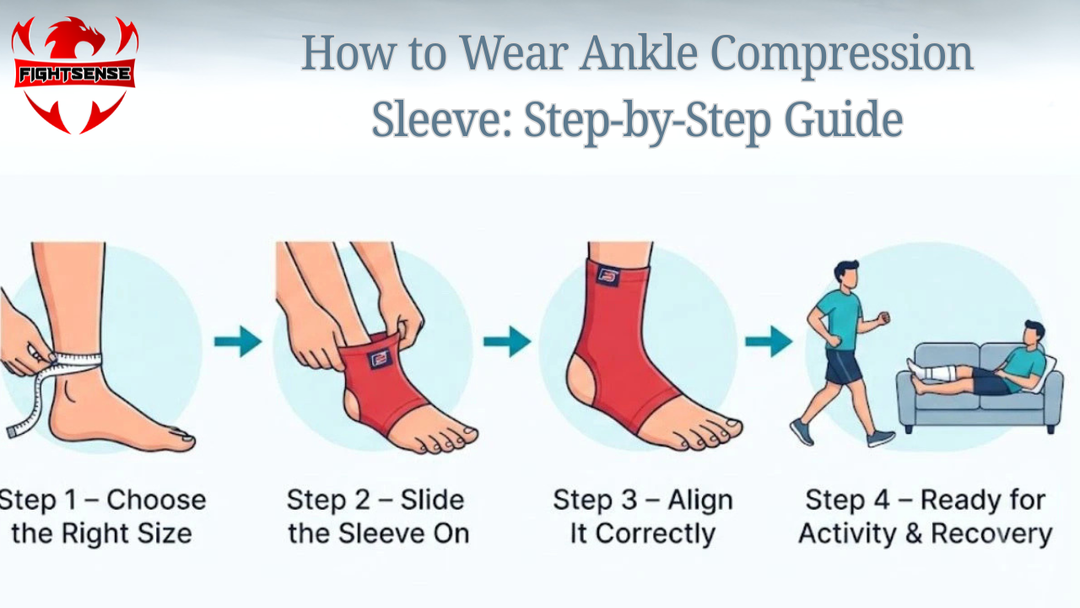
Getting your sleeve on is simple, but correct positioning makes all the difference. Follow these steps to get it right:
Find Your Perfect Fit:
Think of your sleeve as a second skin—snug, but never restrictive. If it’s too tight, you’ll feel restricted; too loose, and it won't provide the support you need. Pro tip: Always measure your ankle at its narrowest point to ensure you’re getting the right size.
Slide and Align:
Slip the sleeve over your foot until it perfectly cups your ankle joint. It should sit comfortably, extending slightly above and below the ankle bone. Make sure the heel opening is centered to prevent the fabric from bunching up while you move.
Gear Up for Your Workout:
Whether you’re hitting the gym or going for a long walk, your sleeve is there to stabilize the joint and act as a buffer against twists. It helps keep your muscles supported, meaning less fatigue by the end of the day.
Help Your Body Recover:
When resting or recovering from a minor strain, wearing your sleeve can help keep swelling down—it’s like a gentle hug for your joint. Just a heads-up: if you feel any tingling or numbness, it’s a sign to slip it off and let your skin breathe for a while.
Key Benefits of Using Ankle Sleeves
Whether you're an athlete pushing your limits or someone looking for relief from daily aches, ankle compression sleeves are a game-changer. Here is why they have become a staple for active individuals:
- Fast Relief from Swelling: Compression works by gently boosting blood flow to your ankle, which is a massive help in calming down inflammation and soothing that nagging pain.
- Built-in Stability: Think of a sleeve as a reliable partner for your joint. It offers that extra bit of support that makes your ankle feel steady and secure, especially if you’re recovering from a minor sprain or strain.
- Injury Prevention: By keeping your ankle stabilized during movement, the sleeve acts like a shield, protecting you from those awkward twists or turns. It provides real peace of mind during any workout.
Ankle Compression Sleeve Sizing Guide
Choosing the correct size is vital to ensure effective ankle support without restricting your blood circulation. Use the table below as a general reference to find your perfect fit:
| Size | Ankle Circumference (Inches) | Best For |
| S / M | 7" – 9" | Light support & everyday wear |
| L / XL | 9" – 11" | Heavy workouts & sprain recovery |
| Plus Size | 11"+ | Maximum coverage & enhanced comfort |
Pro-Tip:
If your measurement falls right between two sizes, we recommend choosing the larger size for a more comfortable fit, or the smaller size if you prefer a tighter, high-compression feel. Always refer to the specific brand’s size chart if available.
Plus Size Ankle Compression Sleeve:
Choosing the correct fit is essential when selecting a Fightsense ankle compression sleeve. For those with larger ankles or feet, a size ankle compression sleeve might be necessary. These sleeves offer the same compression and support but are designed to accommodate larger sizes without causing discomfort.
Here are some tips when choosing a plus-size ankle compression sleeve:
Measure Your Ankle Properly: Ensure you measure the circumference of your ankle and foot to choose the correct sleeve size.
Check the Material: Opt for materials like neoprene or elastic fabric that offer flexibility and comfort for larger sizes.
How to wear ankle compression sleeve: Look for adjustable options. Some brands offer adjustable compression sleeves, which are perfect for customizing the fit based on your needs.
Choosing the Right Compression Sleeve:
While how to wear ankle compression sleeve is important, choosing the right sleeve for your specific needs is just as crucial. Here are some factors to consider when selecting a compression sleeve:
1. Compression Level:
Different compression sleeves offer different levels of compression. Light compression is ideal for general support, while heavy compression is better for injury recovery. Choose a sleeve that fits your purpose.
2. Material:
Compression sleeves come in various materials such as neoprene, nylon, or spandex. Look for breathable and flexible fabrics for comfort, especially if you plan to wear it for long periods.
3. Fit:
As previously mentioned, getting the right fit is essential. A compression sleeve should feel snug but not restrictive. Ensure it covers the ankle joint adequately and provides support during both rest and activity.
When to Avoid Wearing an Ankle Compression Sleeve:
While ankle compression sleeves are beneficial for many people, there are situations where you should avoid wearing them:
- If you experience discomfort or pain: If the compression sleeve feels too tight or causes numbness, it’s important to remove it.
- If you have certain medical conditions: Consult with your doctor before using an ankle compression sleeve if you have vascular problems or circulation issues.
- During extremely hot environments: Prolonged use in hot conditions can cause excessive sweating and irritation.
Final Thoughts:
Knowing how to wear ankle compression sleeve properly makes a massive difference in your recovery and daily performance. Whether you are stabilizing an injury or boosting your workout, the right fit is the key to consistent results.
Remember, effective support is for everyone; high-quality plus-size options are designed to provide the same comfort and stability you need. Always listen to your body, and if you have specific medical concerns, consult a professional before long-term use.
By choosing the right gear and wearing it correctly, you are taking a proactive step toward stronger, pain-free movement.
FAQs:
1. Should an ankle sleeve be worn over socks or directly on skin?
Direct skin contact is recommended. This ensures the material provides consistent pressure and prevents slipping or skin irritation.
2. What are the signs of an overly tight sleeve?
Key indicators include numbness, tingling sensations, cold toes, or bluish skin discoloration around the ankle joint.
3. Does compression help with chronic ankle pain?
Compression aids in managing mild, chronic discomfort by improving circulation and providing mild support to stiff joints.
4. How does a sleeve differ from a medical brace?
Sleeves provide flexible support for movement and circulation, whereas rigid braces physically restrict joint mobility for injury rehabilitation.
5. How frequently should the sleeve be washed?
Washing after every two or three uses is ideal to maintain hygiene and preserve the elasticity of the fabric fibers.
6. Can a sleeve be worn during intensive weightlifting?
Yes, it provides extra stability and psychological confidence during heavy lifts, though it does not replace proper form.
7. What is the shelf life of a compression sleeve?
With regular use, sleeves typically lose their optimal compression effectiveness after 4 to 6 months and should be replaced.
Disclaimer:
This information is general and not medical advice. Consult your healthcare provider before using compression products.