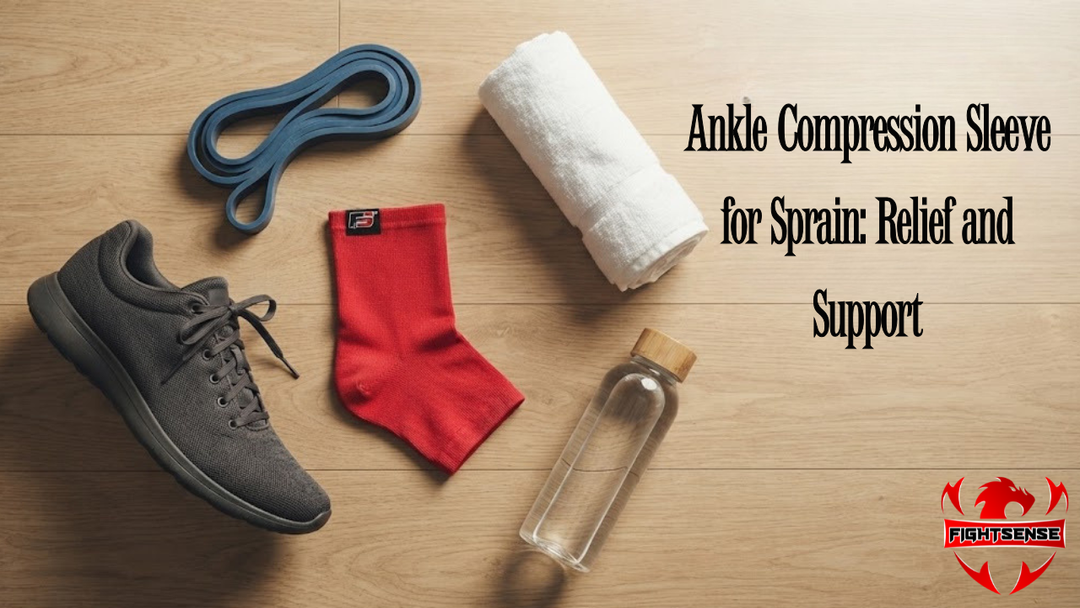
Ankle Compression Sleeve for Sprain: Relief and Support
Ankle Compression Sleeve for Sprain relief is often the first step toward getting back on your feet when you’re suddenly sidelined by an injury. Let’s be honest: there are few things more frustrating than that sudden throb or roll that forces you to stop moving freely.
Whether you’re managing the lingering discomfort of a past injury or trying to stay mobile while healing, you likely want a solution that actually works. You don’t want a bulky brace that prevents you from wearing your favorite shoes or sitting comfortably at your office desk. In this guide, we’ll explore how this simple piece of gear can change your recovery process and why it’s a must-have for your daily routine.
What Is an Ankle Compression Sleeve for Sprain?
At its core, a support garment for this injury is designed to provide consistent, targeted pressure to the joint. Unlike rigid braces that immobilize you, a sleeve is designed for movement.
When you injure your ankle, the body reacts with swelling and fluid buildup. By wearing an Ankle Compression Sleeve for Sprain recovery, you apply external pressure that helps your body manage that fluid, preventing it from pooling around the joint. This isn't just about comfort; it's about active healing. Brands like Fightsense have mastered this design, creating gear that provides the perfect level of ankle support without restricting your natural range of motion.
Why You Need Proper Support
|
Sprain Grade |
Impact |
How Compression Helps |
|
Grade 1 (Mild) |
Minor swelling & pain |
Provides stability and reduces daily discomfort. |
|
Grade 2 (Moderate) |
Partial ligament tear |
Manages swelling during the recovery phase. |
|
Grade 3 (Severe) |
Complete tear |
Serves as secondary support after a medical boot. |
Why Should You Choose This Type of Support?
If you're asking, "Do I really need one?" The answer is a resounding yes. Using an Ankle Compression Sleeve offers three main benefits that help you stay active:
- Reduced Swelling (Lymphatic Drainage): Gravity is the enemy of a swollen ankle. This gear acts as a pump, encouraging fluid to move away from the injury site back toward your heart.
- Enhanced Proprioception: After an injury, your brain loses some of its "connection" to the ankle. This sleeve provides sensory feedback, making your joint feel secure and preventing re-injury.
- Comfort in Every Step: Rigid braces are bulky. However, a high-quality Compression Sleeve is low-profile, fitting perfectly under socks or inside sneakers for office wear.
Selecting the Best Gear
Not all sleeves are created equal. When shopping, keep these tips in mind:
- Look for Breathability: You’ll be wearing it for hours. Choose materials that wick sweat away to avoid irritation.
- Check the Fit: It should feel like a firm hug, not a tourniquet.
- Prioritize Durability: You need a product that won’t lose its "bounce" after two washes. This is why many athletes trust Fightsense—their gear is built to last through intense training and daily commutes.
The Power of "Active Recovery"
Once the initial swelling subsides, resting alone isn’t enough. To get your ligaments back to full strength, you need light mobility work.
- Ankle Alphabets: Use your big toe to "draw" the letters A through Z in the air to restore range of motion.
- Towel Curls: Use your toes to scrunch a towel toward you. This strengthens the foot arch and surrounding muscles.
- The Role of Support: Performing these exercises while wearing your Ankle Compression Sleeve provides the confidence you need to move without fear of sharp pain.
Diet and Inflammation Management
Your recovery speed is linked to what’s on your plate. To counter inflammation, incorporate turmeric, ginger, and Omega-3 fatty acids into your meals. Also, stay hydrated—water is the primary delivery system for the nutrients your ligaments need to repair themselves.
Footwear Matters: The "Office-to-Gym" Transition
If you work in an office, the beauty of a high-quality Ankle Compression Sleeve for Sprain is its low profile—it fits under dress socks seamlessly. Later, when you return to weightlifting or combat sports, you can wear your sleeve under your gym socks for an extra layer of security during heavy movements like squats.
When Should You Stop Using It?
Once the pain is gone, start using the sleeve only during heavy activities or long commutes. Remember, the sleeve is a support tool, not a replacement for your own muscles. Keep up with your strength exercises so your ankle becomes naturally resilient.
Technical Tips: Maintaining Your Gear
To keep your Ankle Compression Sleeve effective, follow these tips:
- Don’t Overstretch: Put it on gently to preserve the fibers.
- Rotation: Own two or three sleeves. Rotating them gives the elastic a chance to "rest." Fightsense products are durable, but once the compression feels loose, it’s time for a fresh pair.
Final Thoughts:
Don't let a sprained ankle keep you sidelined. By choosing the right Ankle Compression Sleeve for Sprain support, you’re taking control of your recovery. Whether you’re at the office or the gym, the right gear makes all the difference. Stay consistent, trust the process, and gear up with Fightsense to get back to doing what you love—faster and stronger.
FAQs:
Does compression level impact healing speed?
Yes. Graduated pressure optimizes blood flow and oxygen delivery, which are essential for accelerating soft tissue repair.
Can a sleeve ever restrict blood flow?
Yes, if the fit is too tight. Correct sizing is vital to ensure support without causing nerve impingement or hindering venous return.
How often should compression sleeves be replaced?
Elastic fibers degrade with sweat and stretching. Once the sleeve feels loose or loses its original tension, replacement is necessary.
Does compression reduce post-activity inflammation?
Yes. Applying external pressure helps manage fluid buildup and limits the inflammatory response following physical exertion.
Is nighttime wear recommended for recovery?
Generally, no. Compression is most effective during activity; the body typically requires rest without external restriction during sleep.
Should a sleeve be worn over or under socks?
Both are acceptable. Wearing it under socks offers a cleaner profile, while wearing it over provides easier access for quick adjustments.
Disclaimer:
This content is for informational purposes only and does not constitute medical advice. Always consult a healthcare professional before beginning any recovery regimen or physical activity.