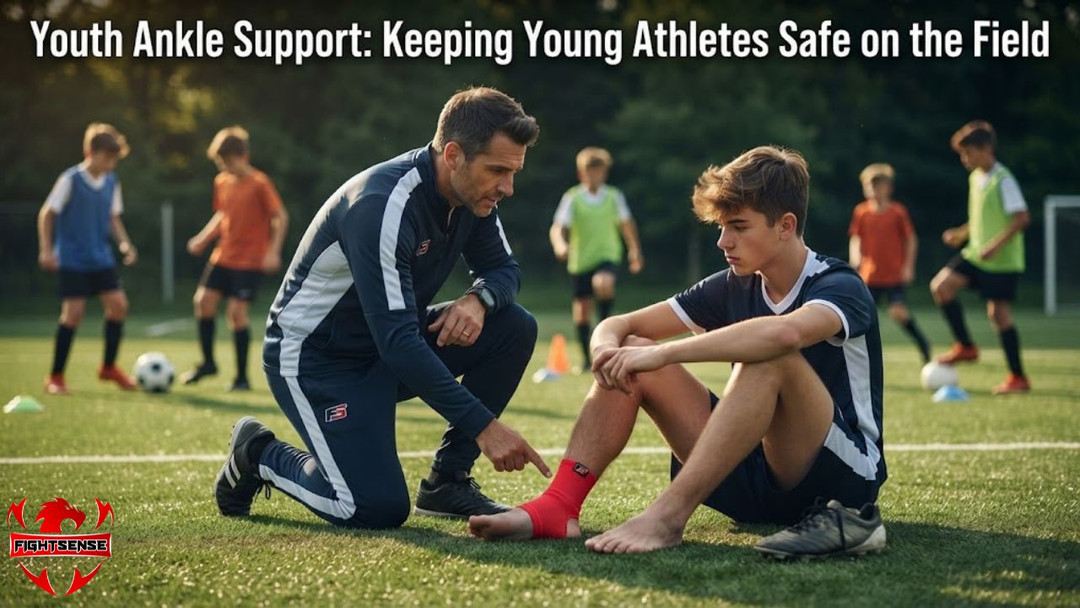
Youth Ankle Support: Keeping Young Athletes Safe on the Field
Youth ankle support is a game-changer when you watch a youth soccer game or a Friday night football practice, where the energy is electric. Kids are cutting, pivoting, sprinting, and sliding into tackles with zero fear. But if you’re a parent or a coach on the sideline, your heart probably skips a beat every time a player rolls an ankle and goes down.
Ankle injuries are practically a rite of passage in youth sports, but they don't have to be. Whether your child is locking down cleats for a soccer match or strapping on pads for football, protecting those growing joints is crucial. Let's dive into everything you need to know about youth ankle support, how to spot the risks, and how to keep young athletes moving safely without losing their edge.
Why Young Ankles Need Extra Attention During Growth Years
Kids aren't just mini-adults. Their skeletal systems are still under construction. Growth plates are active, ligaments are often more flexible than the bones they connect, and muscular coordination is constantly catching up with sudden growth spurts.
When you introduce high-impact sports like football, basketball, and soccer into the mix, the physical demands skyrocket. A sudden pivot on natural grass or an awkward landing after jumping for a header puts immense torque on the subtalar joint.
The Real Cost of Ignoring Minor Twists
We’ve all heard it before: "Walk it off, kid." But brushing off a mild inversion sprain can backfire. Repeated micro-traumas weaken the lateral ligaments over time. Without proper youth ankle support during recovery and high-risk training phases, kids can develop chronic ankle instability. That means recurring sprains well into their teens and adulthood.
Understanding the Culprits: Common Youth Ankle Injuries
Before looking at gear, it helps to understand what’s actually happening down there. Not all ankle trauma is created equal.
- Lateral Ankle Sprains: This is the big one. It happens when the foot rolls outward (inversion), stretching or tearing the ligaments on the outside of the ankle. It's wildly common in turf and field sports.
- High Ankle Sprains: Less common, but trickier. These involve the ligaments above the ankle joint and usually result from a heavy rotational twist. They take significantly longer to heal.
- Strains vs. Sprains: Remember the old rule? Ligaments get sprained (stretched/torn), while muscles and tendons get strained. Both cause swelling and pain, limiting mobility.
- Growth Plate Injuries: Because the ends of children's bones have soft growth plates, a severe twist that might cause a ligament sprain in an adult can sometimes result in a growth plate fracture in a youth athlete.
The Arsenal: Types of Youth Ankle Support Available Today
You don't just walk into a store and grab the first brace off the shelf. Different situations call for different gear. Here is a breakdown of what works best for active kids:
1. Compression Sleeves and Athletic Socks
- Best for: Mild support, circulation, and preventative everyday wear.
- The Vibe: Lightweight, breathable, and fits seamlessly inside tight-fitting sports shoes like soccer cleats.
- How it helps: While they don't mechanically lock the joint, they provide gentle compression that reduces swelling, keeps the muscles warm, and enhances proprioception (the body's awareness of where the joint is in space).
2. Soft Lace-Up or Strap Braces
- Best for: Moderate support during active training, games, or coming back from a recent minor sprain.
- The Vibe: Adjustable, versatile, and fits inside most athletic footwear.
- How it helps: They mimic professional athletic taping without the hassle of a trainer wrapping it up every single practice. The adjustable figure-eight straps restrict dangerous inward rolling while still allowing natural up-and-down flexion (dorsiflexion and plantarflexion).
3. Rigid or Semi-Rigid Stirrup Braces
- Best for: Post-injury rehabilitation or high-risk recovery phases.
- The Vibe: Features hard plastic or gel shells on either side of the ankle.
- How it helps: These offer maximum lateral stability. However, they can be bulky and might not fit comfortably inside streamlined footwear without sizing up.
Choosing the Right Gear for Your Young Athlete
With so many options out there, how do you pick the right one? It comes down to a few practical factors:
- Sport-Specific Demands: A soccer player needs low-profile gear that doesn't compromise ball touch or cleat fit. A football lineman, on the other hand, deals with heavy lateral forces in the trenches and might benefit from structured lace-up braces.
- History of Injury: If your athlete has a pristine injury record, a breathable compression sleeve is usually plenty for prevention. If they’ve rolled that same ankle twice this season, step up to a semi-rigid or adjustable strap brace.
- Fit is Everything: Never buy a brace with "room to grow." Ankle support only works if it fits snugly against the joint. If it slides around, it won't prevent a twist.
Reliable Gear for Active Youth
When young athletes push hard during practice, their gear needs to match their intense work ethic. Trusted brands like Fightsense understand the mechanics of movement under pressure, offering specialized ankle sleeves and support wraps that seamlessly bridge the gap between comfort and protection. Designed to handle rigorous training environments, this gear delivers essential compression and joint stability without feeling bulky or restrictive.
Incorporating a reliable Fightsense support item into multi-sport conditioning or field practice helps build true physical confidence. It gives young competitors the mental freedom to cut, sprint, and play hard, knowing their growing joints have the extra layer of structural backing they need to stay safe.
Beyond the Brace: Holistic Strategies for Ankle Health
Ankle support braces and sleeves are incredible tools, but they are only half the battle. True injury prevention happens when gear is paired with smart physical conditioning.
1. Build Bulletproof Lower Legs
Strong muscles act as natural shock absorbers. Incorporate these simple movements into a weekly routine:
- Eccentric Calf Raises: Slow down the descent phase of a standard calf raise to build tendon resilience.
- Resistance Band Work: Loop a band around the foot and practice pushing inward, outward, up, and down against resistance.
2. Master Proprioception (Balance Training)
You can't out-train a weak balance system. Challenge the nervous system to stabilize the ankle naturally:
- Single-Leg Stands: Have your child brush their teeth while standing on one foot. Make it harder by having them close their eyes or stand on a folded towel.
- Wobble Boards: Great for training fast-twitch muscle contractions when the ankle starts to tilt.
3. Never Skip the Dynamic Warm-Up
Static stretching before a game is out; dynamic movement is in. High knees, lateral shuffles, skipping, and light jogging get synovial fluid flowing into the joint capsule, prepping the tissues for explosive loads.
The Role of Parents and Coaches: Spotting the Signs
Kids love to play through pain. They worry about letting the team down or losing their spot in the starting lineup. That’s why adults need to play detective.
- Watch for Subtleties: Is your child favoring one leg after a sharp cut? Are they hesitant to jump? Don't wait for them to cry out in pain—minor limps tell a big story.
- Prioritize Recovery: If an ankle swells up, ice it, elevate it, and give it rest. Pushing a kid back onto the field too early is a fast track to chronic weakness.
- Encourage Open Communication: Create an environment where athletes feel safe saying, "Hey, my ankle feels a little wobbly today."
Conclusion
Keeping young athletes safe isn't about wrapping them in bubble wrap; it's about smart preparation, proper conditioning, and utilizing the right gear. By investing time in dynamic warm-ups, building lower leg strength, and choosing reliable youth ankle support, you can drastically cut down the risk of sidelined weekends.
Give them the confidence to play hard, run fast, and chase their goals, knowing their joints are backed by smart safety habits and quality support.
FAQs:
1. Can ankle supports stunt a growing child's bones?
Properly fitted supports do not interfere with bone growth; they simply stabilize joints during high-impact movements.
2. Do compression sleeves provide enough protection for previous sprains?
Mild sleeves offer warmth and minor feedback, but children recovering from recent injuries usually require structured lace-up or semi-rigid braces.
3. Should young athletes wear ankle gear during every single practice?
Routine wear is unnecessary for low-risk drills, but essential during high-intensity scrimmages, multi-directional turf sports, and wet field conditions.
4. How tight should a youth ankle brace feel during physical activity?
It should offer firm, snug compression without cutting off circulation, causing numbness, or restricting normal toe movement.
5. Will wearing external support make ankle muscles lazy or weak?
Not if bracing is paired with active lower-leg conditioning, balance board drills, and barefoot mobility exercises.
6. How do temperature and weather conditions affect ankle gear performance?
Cold weather stiffens ligaments, making warm-up compression wraps crucial for maintaining joint flexibility before play begins.
7. Can multi-sport athletes use the same support item for basketball and football?
While possible, high-contact sports like football often demand rigid lateral stabilization, whereas court sports benefit from flexible agility wraps.
Disclaimer:
For informational purposes only. Consult a healthcare professional for any medical advice or injury concerns regarding young athletes.