
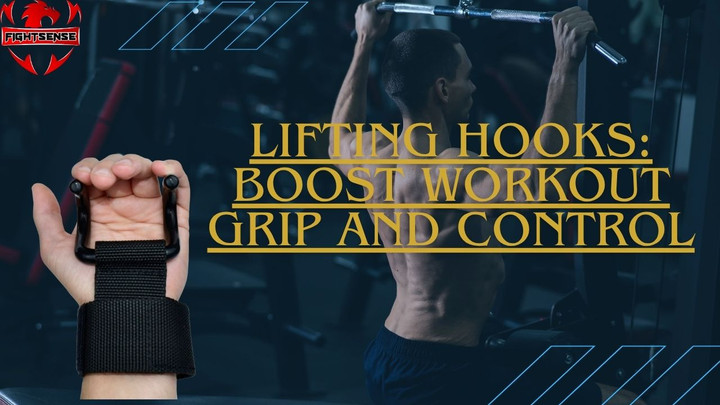
Lifting Hooks: Boost Workout Grip and Control
8th Apr 2025
Struggling to maintain your grip during heavy lifts? Lifting hooks might be exactly what you need. These simple yet effective tools take the pressure off your hands, letting you focus entirely on lifting heavier weights without worrying about your grip giving out. Perfect for exercises like deadlifts, rows, and shrugs, lifting hooks can help you push past your limits and take your training to the next level.
Key Highlights:
-
Lifting hooks prevent grip failure, allowing you to lift heavier weights with confidence.
-
They reduce hand fatigue, so you can focus entirely on building strength.
-
High-quality hooks offer support, comfort, and long-lasting durability for serious lifters.
-
Ideal for deadlifts, rows, and other challenging exercises, they help you push past your limits.
-
A sturdy pair enhances grip security, improving both safety and overall workout efficiency.
What Are Lifting Hooks and How Do They Help?
Lifting hooks are sturdy straps that wrap around your wrists and hook onto the barbell, giving you a secure grip. They’re especially useful for heavy lifts where grip strength can limit your performance. By taking the strain off your hands, lifting hooks allow you to focus on the targeted muscles rather than worrying about slipping or losing your hold.
These hooks are particularly beneficial for exercises like deadlifts, shrugs, rows, and pull-ups. They can also help reduce hand fatigue, prevent calluses, and improve lifting safety. For lifters aiming to push heavier weights or increase repetitions without grip being the weak link, lifting hooks are a simple but highly effective tool.
Why to Use the Hooks for Lifting?
1. Better Grip and Control: Lifting hook can change everything if your grip determines the limiting factor in a lift. They let you keep control even while lifting heavy by firmly locking your hands to the bar.
2. Reduced Hand Fatigue: Although the lifter hook helps to distribute the weight more fairly across your wrists, thereby preventing rapid hand tiredness from occurring from heavy lifting.
3. Lift More Weight: Using the lifting hook helps you to push your boundaries and raise the weight you could be able to lift. The extra security enables you to concentrate on strength, therefore improving your muscle size and power improvements.
4. Improved Safety: By lowering the possibility of mishaps brought on by a slippery hold, hooks for the lifting purpose helps enhance safety. This extra security guarantees correct form lifting, so reducing the injury risk.
How to Choose the Right Lifting Hooks:
When selecting lifting hooks, there are several key factors to consider. First, check the material durability—hooks made from strong materials like steel or high-strength fabric are built to withstand the stress of heavy lifting. Next, consider comfort, as padded straps can prevent discomfort during long sessions, and adjustable straps ensure a secure, personalized fit.
Weight capacity is also crucial; the hooks you choose should be able to handle the weights you plan to lift without bending or slipping. Finally, look for ease of use, especially if you’ll be using the hooks frequently, making it simple to put them on and take them off without hassle.
When to Use Lifting Hooks:
Lifting hooks are especially useful for exercises where grip strength can limit performance. For deadlifts, your grip is often the first thing to give out, and hooks allow you to focus on your form and the targeted muscles without worrying about slipping. During shrugs, they help you maintain control so your traps are fully engaged, even when your hands would normally fatigue. Hooks are also beneficial for rows—whether barbell rows or lat pull-downs—by ensuring a secure grip, allowing you to lift heavier and complete more repetitions safely and efficiently.
Different Types of Lifting Hooks:
-
Standard hooks with wrist straps for general lifting
-
Ergonomic hooks shaped for hand comfort and reduced wrist strain
-
Padded hooks to prevent irritation during long sessions
Common Mistakes to Avoid:
-
Over-reliance on hooks and neglecting grip training
-
Straps that are too tight or too loose
-
Using hooks only for light weights instead of heavy lifts
FAQs:
1. How do lifting hooks help with grip strength?
Lifting hooks secure your hands to the bar, allowing you to lift heavier weights without worrying about your grip giving out.
2. Can lifting hooks be used for all exercises?
They are ideal for exercises like deadlifts, shrugs, and rows. For lifts like the bench press, they are generally less necessary.
3. Are lifting hooks comfortable to use?
Yes, most hooks come with padded straps to ensure comfort during long or intense lifting sessions.
4. How should I maintain my lifting hooks?
After each use, clean the hooks and keep them dry. Always inspect the hooks and straps for wear before every workout.
5. Can lifting hooks help prevent injuries?
Yes, by providing a secure grip, they help maintain proper form and reduce the risk of injuries caused by slipping or grip failure.
Conclusion:
Lifting hooks are a game-changer for any serious strength training program. By providing a secure grip, reducing hand fatigue, and allowing you to lift heavier weights, they help you push past your limits and achieve better results. Whether your goal is strength, size, or endurance, high-quality lifting hooks are an essential tool for committed lifters looking to maximize performance safely and effectively.
Disclaimer:
This blog serves only informational needs. Before including new equipment into your program, always see a qualified trainer or fitness professional. Use lifting hooks sensibly to guarantee efficiency and safety.