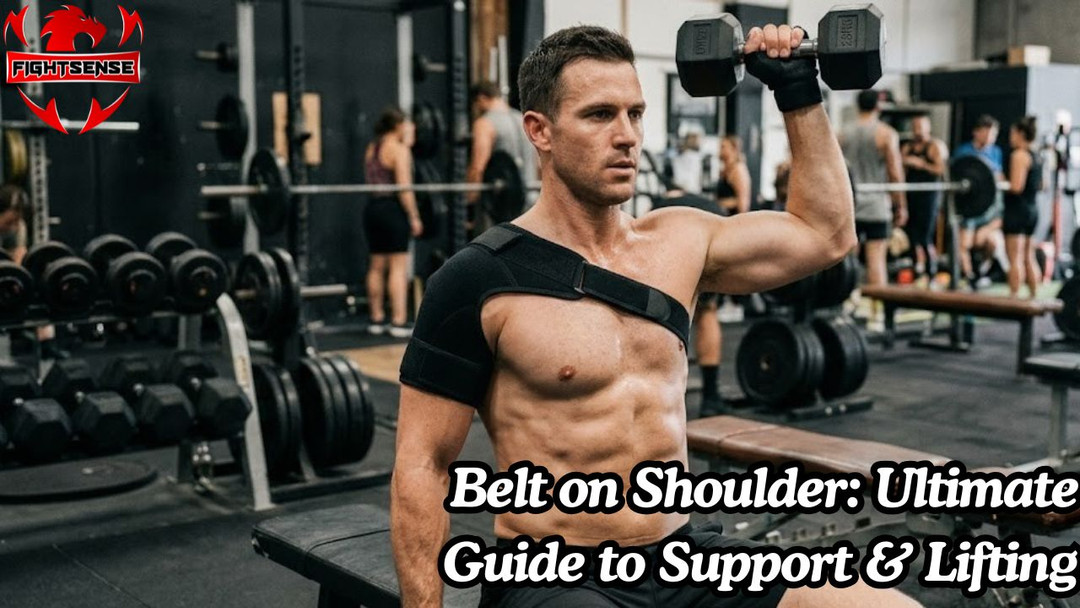
Belt on Shoulder: Ultimate Guide to Support & Lifting
Using a belt on shoulder support system has become a game-changer for athletes, weightlifters, and anyone battling daily posture issues. Whether you need joint stabilization during heavy gym lifts or alignment support while sitting at a desk, a shoulder belt provides targeted compression and protection. Understanding how to properly utilize a shoulder support belt ensures you protect your rotators, prevent muscle strain, and maintain peak physical strength.
What Is a Belt on Shoulder Support?
A shoulder support belt is a specialized wearable gear designed to stabilize the shoulder joint, align the clavicle, and relieve pressure across the upper back. Constructed from breathable neoprene, elastic straps, or heavy-duty leather, these belts restrict harmful joint angles while encouraging optimal alignment.
Key Types of Shoulder Belts & Braces
Selecting the right gear depends entirely on your specific activity level and physical needs.
1. Gym & Heavy Lifting Harnesses
These heavy-duty belts distribute heavy loads across your shoulders during weighted dips, sled pulls, or heavy carries, preventing lower back overcompensation. Popular fitness brands like Fightsense offer high-quality weightlifting gears, including weightlifting belts and lever belts, to help lifters maximize torso and upper-body stability during brutal workouts.
2. Neoprene Compression Shoulder Sleeves
Ideal for fitness enthusiasts recovering from joint inflammation, these sleeves keep the rotator cuff warm while providing anatomical stability during overhead presses.
3. Posture Corrector Shoulder Belts
Equipped with crisscross back straps, these pull the shoulder blades backward to prevent slouching and round-shoulder syndrome.
Get Yours Now!
Benefits of Using a Shoulder Support Brace
- Enhanced Joint Stability: Holds the humerus securely within the glenoid socket to prevent dislocation.
- Injury Prevention: Reduces severe muscle strain and rotator cuff tears during heavy compound movements.
- Pain Relief: Relieves tension across the trapezius, neck muscles, and clavicle area.
- Improved Posture: Retrains muscle memory to keep your upper spine naturally aligned.
How Shoulder Support Belts Work in the Gym
When lifting heavy weights, shoulder joints face immense shear force. Wearing a specialized shoulder lifting strap or harness creates external tension that stabilizes the upper body.
By distributing heavy weight evenly across the shoulder girdle, you reduce localized pressure on individual tendons. This extra stability helps you maintain strict lifting form without sacrificing joint safety.
Shoulder Support Belts vs. Traditional Posture Corrector
|
Feature |
Shoulder Support Belt / Harness |
Posture Corrector |
|
Primary Purpose |
Posture alignment & slouch prevention |
|
|
Material |
Heavy-duty neoprene, leather, or webbing |
Light elastic fabric |
|
Compression Level |
Mild to Moderate |
|
|
Best Used For |
Gym workouts, heavy labor, injury recovery |
Desk work, daily walking |
|
Movement Restraint |
Partial (limits extreme angles) |
Minimal |
Step-by-Step Guide: How to Wear a Shoulder Belt Correctly
- Unfasten All Straps: Loosen all velcro fasteners or buckles before slipping the brace over your shoulders.
- Align the Shoulder Cap: Place the main compression cap directly over the center of your shoulder joint.
- Secure the Torso Strap: Wrap the primary chest or torso strap tightly around your ribs and fasten securely.
- Adjust Tension: Pull the secondary shoulder adjustment straps to achieve firm yet comfortable compression.
- Test Range of Motion: Move your arm through a standard lifting motion to ensure support without total restriction.
Pros & Cons of Using a shoulder stability brace
Pros
- Provides instant pain relief and joint feedback.
- Keeps muscles warm to improve blood circulation.
- Prevents dangerous over-extension during gym workouts.
- Easy to wear under or over gym clothing.
Cons
- Overreliance can temporarily weaken stabilizing muscles if used constantly.
- Inflexible materials may restrict movement if fitted incorrectly.
Expert Tips for Maximum Results
- Combine with Mobility Drills: Do not rely solely on external support; perform rotator cuff warm-ups before every session.
- Choose Breathable Fabrics: Select moisture-wicking neoprene or mesh materials to prevent skin irritation.
- Adjust for the Activity: Keep straps slightly looser for dynamic workouts and tighter for heavy static lifts.
Common Mistakes to Avoid
- Overtightening the Straps: Excessive pressure can cut off blood circulation or pinch nerves.
- Wearing It 24/7: Continuous use causes key postural muscles to atrophy over time.
- Ignoring Pain: A belts provides structural support, but it cannot cure untreated muscle tears or severe joint injuries.
FAQs:
How long should wear a shoulder support belt each day?
It is best to wear it for 1 to 3 hours during workouts, heavy lifting, or desk work to avoid over-depending on the gear.
Does a shoulder belt help with rotator cuff injuries?
Yes, it limits dangerous movements, provides targeted compression, and promotes blood flow to support injury recovery.
Will wearing a shoulder belt weaken natural muscles?
Only if you wear it constantly without exercising. Using it strategically during heavy lifts or short alignment sessions will not cause muscle weakness.
How tight should a shoulder belt feel?
It should feel snug and supportive, but never so tight that it causes numbness, tingling, or restricted breathing.
Can a shoulder belt fix rounded shoulders?
Yes, regular use helps retrain muscle memory by pulling the shoulder blades back into a neutral position.
What material is best for a gym shoulder support belt?
High-grade neoprene is best because it offers strong elasticity, heat retention, and durability.
Conclusion:
Integrating a belt on shoulder brace into your routine provides vital joint protection, improves posture, and helps prevent costly gym injuries. By choosing the right type of support and maintaining proper usage habits, you can train harder and recover faster.
Disclaimer:
This blog serves only for informational needs. Before including a belt on the shoulder in your training program, see a qualified trainer to guarantee safe and efficient use.