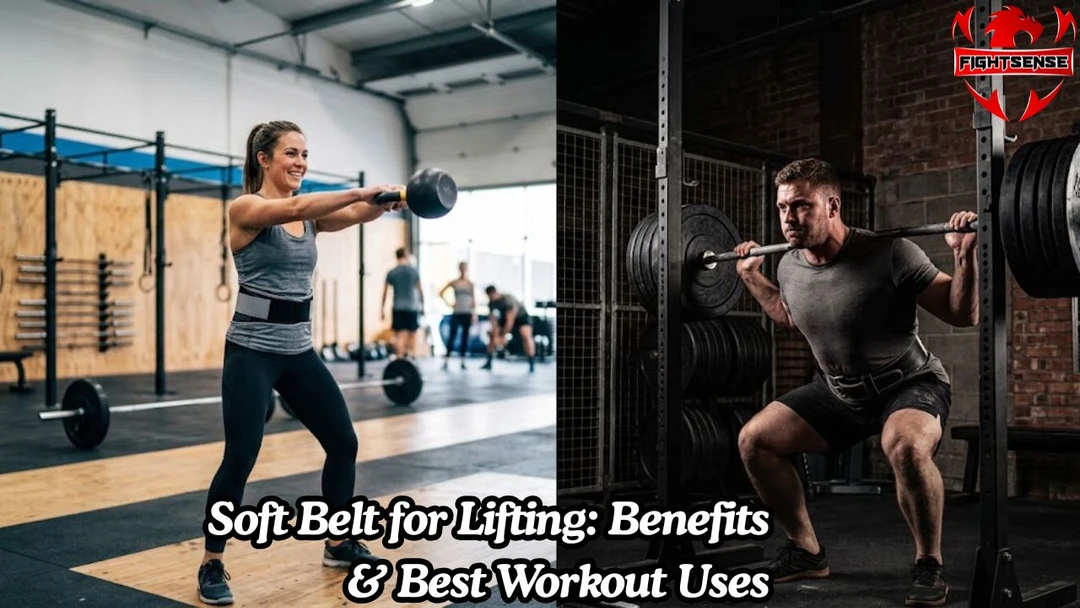
Soft Belt for Lifting: Benefits & Best Workout Uses
Are you looking to improve your lifting performance without feeling stiff or restricted? Incorporating a soft belt for lifting into your training routine might be the simple upgrade you need. While heavy leather belts dominate the powerlifting world, flexible belts offer a unique combination of core support, warmth, and unrestricted movement.
Whether you perform functional fitness circuits, accessory work, or bodyweight exercises, understanding when and how to use soft support can completely transform your gym sessions.
What Is a Soft Belt for Lifting?
A soft belt for lifting is a flexible weightlifting accessory typically made from high-grade neoprene, heavy-duty nylon, or breathable mesh. Unlike traditional rigid leather options, it is secured using a strong Velcro mechanism and a steel tensioning buckle.
This design contours naturally around your lower back and abdominal region. Consequently, it delivers consistent intra-abdominal pressure without digging into your hips or ribs during deep movements.
Key Benefits of Using a Flexible Lifting Belt
1. Superior Comfort and Mobility
Because the material bends with your torso, you can move freely during dynamic exercises. It supports your lower back without limiting your range of motion.
2. Enhanced Core Bracing
Flexible weightlifting belts give your abdominal wall a tactile surface to push against. As a result, you build better bracing awareness and core stability.
3. Thermal Insulation for the Lower Back
Neoprene materials trap body heat around the lumbar spine. Increased local blood flow keeps muscles warm and reduces stiffness between sets.
4. Quick and Easy Adjustments
The Velcro closure system allows you to loosen or tighten the fit in seconds. Therefore, you do not need to take off the gear between high-intensity sets.
Best Workout Uses for Flexible Belts
Not every movement requires a stiff powerlifting belt. In fact, lighter alternatives excel in specific training scenarios:
- Functional Fitness & Cross-Training: Fast transitions between Olympic lifts, kettlebell swings, and running require fluid movement.
- High-Rep Accessory Exercises: Movements like dumbbell rows, lunges, and overhead presses benefit from gentle lumbar feedback.
- Warm-Ups and Mobility Drills: Wearing light support keeps your core warm while preparing your joints for heavy loads.
- Bodyweight Exercises: Weighted dips and pull-ups feel much more comfortable with softer padding against your waist.
Flexible Lifting Belt vs. Heavy-Duty Lever Belts
To choose the right lifting gear, you must understand how material flexibility impacts performance under heavy loads.
|
Feature |
Flexible Lifting Belt |
Heavy-Duty Lever Belt (Leather) |
|
Primary Material |
Neoprene / Nylon |
10mm–13mm Genuine Leather |
|
Closure Mechanism |
Fast-adjust Velcro & Buckle |
Heavy-Duty Steel Lever |
|
Best For |
Functional workouts, warm-ups, accessories |
Max-effort Squats, Deadlifts, Powerlifting |
|
Support Level |
Moderate & Flexible |
|
|
Comfort & Fit |
High (No breaking-in period) |
Low initially (Requires breaking in) |
How to Wear and Fit Your Belt Correctly
- Positioning: Place the pad flush against your lower back, centering it over your navel.
- Bracing: Take a medium breath in and expand your abdomen slightly outward.
- Tightening: Pull the nylon strap snugly through the buckle, securing the Velcro firmly.
- Testing: Ensure you can take a deep breath into your stomach without feeling suffocated.
Common Mistakes to Avoid
- Relying on the belt for weak core muscles: Never use gear to replace proper abdominal strength and bracing mechanics.
- Crank the fit too tight: Pulling the strap too tight restricts diaphragmatic breathing and weakens your natural brace.
- Wearing it for maximum PR attempts: Flexible materials deform under extreme loads, reducing brace efficiency during heavy 1RMs.
Pros and Cons of Soft Support
Pros
- Lightweight, portable, and easy to pack in any gym bag.
- No painful break-in period or bruising along the hip bones.
- Highly versatile across multiple workout styles.
Cons
- Less rigid support for maximal powerlifting loads.
- Velcro can wear down over time with intense daily use.
When Should You Upgrade Your Gear?
While flexible options are fantastic for mobility, high-volume conditioning, and accessory work, they hit their physical limit when you move serious weight. As your strength progresses toward maximal 1RM attempts, your spine requires a completely unyielding wall to push against.
When your main focus shifts to max-effort squats, heavy deadlifts, or competitive powerlifting, transitioning to a dedicated FightSense Heavy-Duty Lever Belt provides the rigid, solid support needed to maintain spinal alignment and safely crush your PRs.
Get Yours Now!
FAQs:
Is a Flexible Lifting Belt good for powerlifting?
It works well for light warm-ups or speed work. However, competitive powerlifting requires rigid 10mm or 13mm leather belts for maximal intra-abdominal pressure.
Can beginners use a soft belt for lifting?
Yes. Beginners often benefit from flexible belts because they provide comfortable tactile feedback without feeling overly restrictive.
Does wearing a belt weaken your core?
No. Studies show that wearing a lifting belt increases abdominal muscle activation when used alongside proper bracing techniques.
How tight should a flexible belt be?
It should fit snugly against your torso, allowing you to expand your stomach outward against the material without restricting normal breathing.
Can you use a flexible belt for deadlifts?
Yes, especially for high-rep light deadlifts. For maximal weights, rigid lever gear is recommended.
Should we wear belts for every exercise?
No. Save your support gear for heavy compound lifts, accessory movements, or high-volume conditioning sets.
What is the difference between Velcro and lever belts?
Velcro allows quick micro-adjustments, whereas lever mechanisms lock in maximum compression instantly for heavy sets.
Conclusion:
Choosing a soft belt for lifting is an ideal way to boost core stability, keep your lower back warm, and maintain mobility throughout dynamic workouts. It serves as a comfortable, versatile tool for conditioning work, accessory exercises, and functional movement.
Disclaimer:
This blog offers broad ideas for general fitness. It should not substitute professional guidance. Before adding a brown belt to your exercise program, always ask a qualified trainer for direction to guarantee correct use and efficacy.