
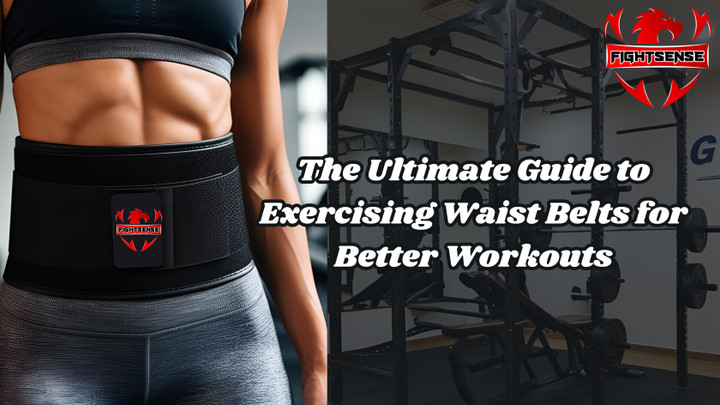
The Ultimate Guide to Exercising Waist Belts for Better Workouts
24th Mar 2025
For those who enjoy exercise and want to improve their sessions, an exercise waist belt is a terrific complement.
Whether your interests are general fitness, walking, or weightlifting, the correct waist belt will help and increase performance.
Still, how can you decide which one is best? Let us cover anything you ought to know.
Key Highlights
-
Include posture and core stability, so supporting the lumbar area and increasing balance during workouts.
-
Reduces Injury Risk, Especially in weightlifting, minimizes strain on the lower back.
-
Improves performance by raising strength and endurance for greater results from an exercise.
-
Sweat waist belts help to induce transient water weight loss in order of weight reduction.
What is an Exercising Waist Belt?
Designed to brace your core and lower back during physical exercise, an exercising waist belt is a supporting tool.
In weightlifting, walking, and other kinds of exercise, it is often utilized to increase performance and lessen strain on muscles.
Low waist belts, 30 waist belt size, and weighted waist belts for walking are among the several designs of the belt.
Why Use an Exercising Waist Belt?
-
Supports lumbar and core strength.
-
Helps keep good posture.
-
Lowers the possibility of accidents.
-
Improves performance while training.
-
Aids for weight loss by boosting sweating generation
Advantages of Using an Exercising Waist Belt
-
Boosts Posture: During exercises helps to have a straight spine.
-
Helps core stability: by working abdominal muscles for improved balance.
-
Reduces strain: on the core and lower back, so preventing injuries.
-
Improves Performance: In weightlifting, it gives increased strength and endurance.
-
Promotes Weight reduction: Certain belts cause temporary weight reduction by increasing sweating.
Types of Exercising Waist Belts
-
Designed for heavy lifting and strength training, the weightlifting waist belt
-
Walking with a weighted waist belt increases resistance to burn more calories.
-
Low waist belts provide comfort and flexibility for most workouts.
-
Focusses on thermogenic properties of the Sweat Waist Belt to support fat loss.
-
Versatile choice for several exercise programs, adjustable fitness belts.
How to Choose the Right Exercising Waist Belt
-
How to Select the Appropriate Waist Belt for Exercise
-
Choose a belt depending on whether you conduct cardio or weight lifting in your workout.
-
Although some would find a 30 waist belt size perfect, always make sure the fit is snug.
-
Material Matters, Neoprene belts give comfort; leather belts are durable.
-
Flexibility is mostly dependent on well fastened belts.
-
If you spend lengthy hours, use lightweight and airy materials.
When to Use an Exercise Waist Belt for Maximum Benefit
To get the most out of your waist belt and not rely on it too much, you need to know when to use it.
When to use your exercise waist belt:
- Lifting heavy weights: Lifting large weights, such when you do squats, deadlifts, or overhead presses.
- High-intensity training: To provide your lower back more support when you do explosive motions.
- Walking with added resistance: A weighted waist belt can help you burn more calories and get your heart in better shape.
- Posture correction sessions: During functional training, belts can gently remind you to keep your back straight.
Avoid using the belt:
- During warm-ups, light cardio, or core-specific motions when natural engagement is important.
- all day long, as this may impair core engagement over time.
Common Mistakes to Avoid When Using a Waist Belt
If you don't utilise a waist belt correctly, it could do more harm than good.
Be careful of these typical mistakes:
- Wearing it too tightly: Too much tightness might make it hard to breathe and move naturally.
- Over-reliance: Using it for every exercise, even ones that don't require much effort, will slow down the growth of your core muscles.
- Wrong belt for your goal:A leather weightlifting waist belt will give your lower back more support than a sweat waist belt.
- Neglecting fit and sizing: Always make sure that the belt size, such a 30 waist belt size, fits your body so that it supports you properly.
- Skipping form correction: Belts are tools, not a way to fix bad posture or technique.
Don't use the belt as a shortcut; use it to improve your routine.
How to Maintain Your Exercise Waist Belt for Longevity
Maintaining your waist belt properly guarantees its longevity, hygienic qualities, and reliable operation. Sweat buildup can cause stink and wear, so always wipe it clean after working out. While neoprene or fabric belts should be allowed to air dry after cleaning, leather belts benefit from occasional conditioning, which maintains the material pliable and free of cracks.
Your belt should be kept in a cool, dry location rather than in wet gym bags. To make sure the belt is still offering secure support, periodically inspect it for ragged stitching, loose buckles, or stretched elastic.
Who Should Use an Exercise Waist Belt?
Although waist belts are great equipment, not all exercise enthusiasts need them. Powerlifters, bodybuilders, and athletes who regularly perform large compound lifts will find them especially helpful. The additional lumbar support may also help people recuperating from back injuries (under professional care).
A weighted waist belt can improve endurance and calorie burn for people who are concentrating on walking, cardio, or mild strength exercise. Before relying too much on belts, beginners should develop natural core strength and acquire good form. In the end, anyone looking for additional resistance, stability, or support throughout their workouts is the ideal user.
Shop Now !
Conclusion
For your workout, an exercise waist belt might revolutionize your regimen. Selecting the correct weighted waist belt for walking or weightlifting will make all the difference, regardless of your need for assistance for either. To maximize your training, give comfort, adaptability, and function top priority.
Disclaimer
This material should not substitute expert advice; it is only for informational needs. See a fitness professional always before utilizing an exercise waist belt, particularly if you have pre-existing ailments.
FAQs
1. Can I spend a whole day wearing an exercise waist belt?
No, it is advised to wear it just during exercises to prevent reliance on support.
2. Does a waist belt for weightlifting come advised?
Heavy lifting benefits from it since it lowers injury risk and stabilizes the core.
3. Would waist belts aid with weight loss?
They can improve sweating; actual weight loss results from a balanced diet and exercise.
4. How should I spot my waist belt?
Use a moist cloth and a light detergent; if you have leather or neoprene, steer clear of machine washing.
5. Walking would allow me to employ a waist belt.
Indeed, a weighted waist belt helps to increase endurance and increases resistance for walking.