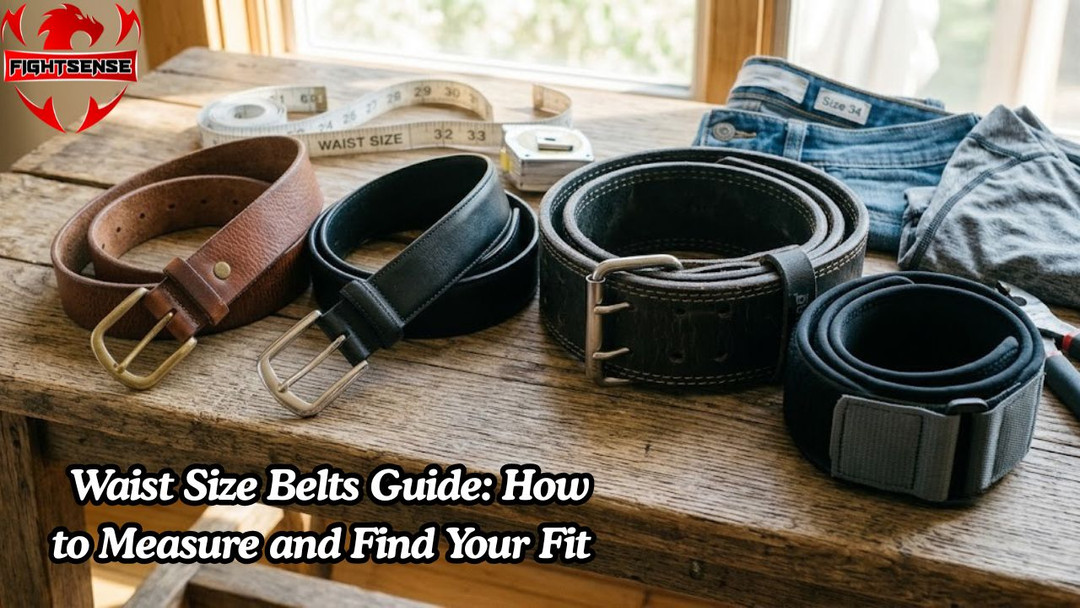
Waist Size Belts Guide: How to Measure and Find Your Fit
Choosing the right belt seems simple until you order one online and realize it is either too tight or dangling loose. Understanding waist size belts is the key to getting a comfortable fit, whether you need a daily leather belt for dress pants or a heavy-duty support belt for weightlifting.
In this comprehensive guide, you will learn how belt sizing works, how to accurately measure your waist, and how to pick the ideal size for every occasion.
Understanding How Waist Size Belts Work
A belt size is not just the overall end-to-end length of the strap. Instead, official belt sizing measures the distance from the inside edge of the buckle to the middle hole.
Most traditional belts feature 5 to 7 adjustment holes. When a belt fits correctly, the prong fastens securely through the center hole, leaving enough tail (the strap end) to pass through the first belt loop comfortably.
Pant Size vs. True Waist Size
One of the most common reasons people buy the wrong size is assuming their pant size equals their belt size. Clothing brands use "vanity sizing," meaning a pair of jeans labeled 34 inches might actually measure 36 inches around the waist.
Rule of Thumb: For standard everyday trousers, add 2 inches to your off-the-rack pant size to find your ideal casual belt size.
How to Measure Your Waist Correctly
Follow these simple steps using a flexible cloth tape measure to get your exact baseline measurement.
Option A: Measure Your Body
- Stand upright in a natural relaxed stance.
- Wrap a flexible measuring tape around your waist where you normally wear your pants (hip level for low-rise, navel level for high-rise or gym belts).
- Keep the tape snug against your skin or light shirt without digging in.
- Record the measurement in inches.
Option B: Measure an Existing Belt
- Lay a well-fitting current belts flat on a smooth surface.
- Measure from the point where the strap attaches to the buckle frame down to the hole you currently use most often.
- This exact inch measurement represents your ideal size.
Standard Belt Size Chart
Use this reference table to map your true waist measurement or pant size to standard industry sizes:
|
True Waist Measurement |
Pant Label Size |
Recommended Belt Size |
Letter Size Equivalent |
|
28" – 29" |
27" – 28" |
30" |
Small (S) |
|
30" – 31" |
29" – 30" |
32" |
Small / Medium |
|
32" – 33" |
31" – 32" |
34" |
Medium (M) |
|
34" – 35" |
33" – 34" |
36" |
Large (L) |
|
36" – 37" |
35" – 36" |
38" |
Large / X-Large |
|
38" – 39" |
37" – 38" |
40" |
X-Large (XL) |
Everyday Casual Belts vs. Weightlifting Belts
Sizing requirements change depending on the function of the accessory.
Everyday Dress & Casual Belts
These sit where your trousers rest on your hips or lower waist. Material stretch is minimal for genuine full-grain leather, but woven canvas or elastic stretch belts offer extra flex.
Gym & Powerlifting Belts
Fitness belts serve a functional purpose: creating intra-abdominal pressure during heavy lifts like squats and deadlifts. High-quality athletic equipment brands like Fightsense provided specialized weightlifting belts and lever belts engineered specifically for core rigidity and lumbar support.
- Measurement Position: Measure around your belly button (navel), not where your pants sit.
- Bracing Space: Take a breath and brace your core slightly while measuring so the lifting belt supports your abdomen without restricting breathing.
Step-by-Step Guide: Buying the Right Belt Online
1.Determine Belt Purpose:Identify where the belt will sit on your torso.
Decide whether you are purchasing a high-rise waist belt, lower-hip trouser belt, or an athletic support belt.
2.Take Exact Inches Measurement:Do not guess based on garment tags.
Use a flexible cloth tape measure around the exact body location where the belt will rest.
3.Consult Brand-Specific Charts:Check size tolerances and hole spacing.
Review the seller's sizing chart. If your measurement falls right between two sizes, choose the larger size.
4.Verify Material and Buckle Type:Account for strap thickness.
Thicker full-grain leather or heavy nylon straps fit tighter than thin dress belts, so keep sizing generous.
Pros and Cons of Different Belt Adjustments
|
Belt Adjustment Type |
Pros |
Cons |
|
Traditional Pin Buckle |
Classic look, highly durable, easy to repair |
Limited to pre-punched hole increments (usually 1 inch apart) |
|
Ratchet / Holeless |
Micro-adjustments (1/4 inch increments), precise fit |
Bulkier buckle mechanism, specific track wear |
|
Prong / Lever (Gym Belts) |
Requires tools or readjustment if body weight fluctuates |
Common Belt Sizing Mistakes to Avoid
- Relying Solely on Jean Labels: Pant sizes vary widely between clothing brands due to vanity sizing.
- Measuring End-to-End: Measuring the entire strap length includes the tail, leading to a belt that is way too small.
- Ignoring Pant Thickness: Tucking heavy denim or thick winter sweaters into your waistband adds 1 to 2 inches to your waistline.
- Not Accounting for Weight Fluctuations: Choosing a size on the very last hole leaves zero room for natural weight changes.
Expert Tips for Long-Lasting Comfort
- Aim for the Middle Hole: Always buy a belt that fastens in the center hole so you have adjustment room in both directions.
- Consider Strap Width: Standard pant loops accommodate 1.25-inch to 1.5-inch widths. Heavy utility or work belts (1.75 inches+) may require wide loop pants.
FAQs:
Should belt size match pant size?
No, belt size should generally be 2 inches larger than pant size. If size 34 jeans fit well, the ideal casual belt size is usually 36.
How is waist size determined for a belt?
The most accurate method is wrapping a flexible tape measure around the natural waistline where pants rest, keeping the tape snug but comfortable.
What if a waist measurement is an odd number?
If a waist measurement is an odd number (like 33 inches), round up to the next even size (size 34 belt).
Is belt size measured from end to end?
No. Belt size is measured from the inside edge of the buckle frame to the middle adjustment hole.
How is waist size measured for gym belts?
Measure around the torso directly over the belly button using a soft tape measure while relaxed, then check the manufacturer’s specific size chart.
What is the average waist belt size for men and women?
The average waist belt size for adult men typically ranges between 34 and 38 inches, while the average for adult women ranges between 28 and 34 inches depending on rise and styling.
How many holes should a belt have?
Standard belts feature 5 to 7 holes spaced roughly 1 inch apart to allow for flexibility and body changes.
Can a leather belt be resized if it is too big?
Yes, a leather craft shop can shorten the strap from the buckle end or carefully punch additional holes using a specialized leather hole punch tool.
Conclusion:
Understanding waist size belts comes down to one simple rule: measure your actual torso or an existing belt rather than relying on pant tags. By adding two inches to your standard trouser size or using a flexible measuring tape, you can comfortably order belts online with total confidence.
Disclaimer:
This content is for informational purposes only. Always check specific manufacturer size guides before purchasing, as sizing standards may vary by brand and product type.