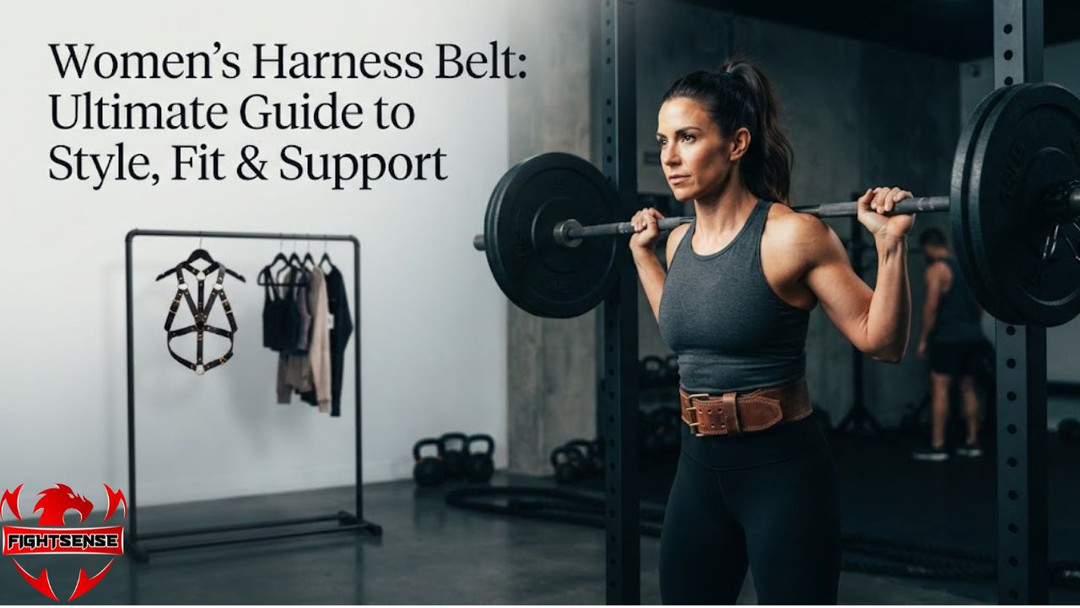
Women’s Harness Belt: Ultimate Guide to Style, Fit & Support
A Women's Harness Belt has transformed from an edgy runway statement into a versatile staple across both high fashion and functional athletic training. Whether you want to cinch a flowy dress or stabilize your core during heavy squats, choosing the right belt structure is essential for achieving both aesthetic appeal and physical safety.
This guide explores the evolution of the harness belt, breaks down key styling techniques, compares decorative straps against functional strength gear, and helps you select the ideal fit for your daily routine.
What Is a Women's Harness Belt?
A Women's Harness Belt is a multi-strap accessory designed to wrap around the waist, torso, and shoulders. Unlike traditional waist cinchers that rely on a single leather band, a harness belt utilizes interlocking straps, heavy-duty buckles, and metal O-rings to create a structured silhouette.
Originally popular in alternative subcultures, modern designs range from minimalist leather chest straps to full-body fashion harnesses and specialized supportive gym belts engineered for heavy load-bearing exercises.
Key Types of Harness Belts
Understanding the variations helps you pick the right design for your specific needs:
1. Classic Leather Fashion Harness
Features adjustable shoulder straps, chest rings, and a cinching waist belt. Designed to be worn over tops or outerwear to accentuate the waistline.
2. Underbust Cinch Harness
Focuses on the area directly beneath the bust, using wider leather panels or elastic bands to create an hourglass shape.
3. Full-Body Strapped Harness
Extends from the shoulders down to the hips or thighs. Popular for festival wear, photoshoot styling, and alternative fashion.
4. Athletic Core & Support Belts
While fashion harnesses focus on visual layering, athletic powerlifting and lever belts (such as those crafted by FightSense) utilize heavy-duty leather, steel lever latches, and uniform width to provide internal abdominal pressure during heavy lifts.
How to Style a Women's Harness Belt
Styling a fashion harness requires balance so the accessory enhances your outfit without overpowering it:
- Over an Oversized Shirt: Layer a black leather harness over a crisp white button-down shirt dress to add structure.
- With Flowy Dresses: Cinch a floral or chiffon dress at the waist to convert a loose silhouette into a tailored fit.
- Tailored Blazers: Wear a thin strap harness over an unbuttoned blazer to create modern streetwear layering.
- Casual T-Shirts: Pair a simple underbust harness with a neutral graphic tee and high-waisted jeans.
Fashion Harness vs. Lifting Support Belts: Why Distinction Matters
A common misconception among fitness enthusiasts is that a decorative fashion harness or slim waist trimmer can provide core stability during workouts. Using decorative straps during heavy exercises like deadlifts or squats can lead to poor form or spinal strain.
If your goal includes strength training, transitioning from a fashion harness to an engineered support belt is crucial. Fitness brands like FightSense specialize in high-grade leather lever belts and contoured weightlifting belts designed specifically to sustain heavy load pressure while maintaining an ergonomic fit for women.
Comparison: Decorative Harness Belts vs. Performance Lifting Belts
|
Feature |
Decorative Women's Harness Belt |
FightSense Athletic Support Belt |
|
Primary Purpose |
Visual styling, waist definition |
Core stabilization, spine protection |
|
Material Construction |
PU Leather, thin calfskin, elastic |
Heavy-duty genuine leather, steel hardware |
|
Closure Mechanism |
Light pin buckles, snap studs |
Heavy-duty steel lever / double-prong buckle |
|
Load Capacity |
Decorative only (0 lbs) |
High-impact resistance (Heavy lifting rated) |
|
Self-Defense / Durability |
Low tensile strength |
Ultra-durable, solid metal hardware |
|
Best Occasion |
Casual wear, events, photoshoots |
Gym training, powerlifting, cross-training |
Step-by-Step Guide: How to Properly Fit Your Harness Belt
To ensure maximum comfort and visual alignment, follow these steps when fitting any harness or weightlifting belt:
1. Measure Your Natural Waist: Do not rely on standard pant sizing.
Use a flexible measuring tape around your navel area where the main waist strap sits. Stand naturally without pulling the tape too tight or holding your breath.
2. Adjust the Shoulder Straps First: Establish a vertical position.
Place the harness over your shoulders and adjust the vertical straps so the central O-ring or chest cross sits comfortably at your sternum.
3. Fasten the Main Waist Buckle: Secures horizontal alignment.
Cinch the primary waist strap until it sits snugly against your midsection without restricting normal breathing.
4. Check Metal Hardware Placement: Prevents chafing and discomfort.
Ensure all belt buckles, O-rings, and side rivets sit flat against your clothing to prevent pinching or skin irritation during movement.
Pros and Cons of Harness & Support Belts
Decorative Fashion Harness Belts
- Pros:
- Instantly transforms loose or basic outfits.
- Highly customizable with adjustable straps.
- Creates an hourglass visual effect.
- Cons:
- Offers zero physical support for athletic activities.
- Low-quality synthetic materials can crack over time.
Athletic Lifting Belts (e.g., FightSense)
- Pros:
- Provides lumbar protection and increases intra-abdominal pressure.
- Premium leather construction lasts for years.
- Secure steel lever mechanisms ensure zero slipping under heavy loads.
- Cons:
- Rigid structure is designed strictly for training, not casual wear.
- Requires an initial break-in period.
Common Mistakes to Avoid When Buying a Harness Belt
- Confusing Fashion Belts for Gym Equipment: Never use thin decorative straps for resistance training. Look for dedicated gear like FightSense lever belts when lifting weights.
- Ignoring Torso Length: If you have a shorter torso, opt for thin-strap harnesses rather than wide underbust designs to avoid uncomfortable rubbing at the ribs.
- Choosing Low-Grade Synthetic Leather: Cheap PU leather peels quickly. Invest in genuine leather or reinforced nylon for longevity.
- Incorrect Sizing: Always measure over the clothes you intend to wear with the harness.
Expert Tips for Maintenance and Longevity
- Leather Conditioning: Wipe real leather harness straps with a specialized leather conditioner every 3–6 months to prevent dry rotting or cracking.
- Hardware Care: Keep steel buckles, rivets, and O-rings dry to prevent surface rust.
- Proper Storage: Hang your harness on a coat hanger rather than folding it tightly in a drawer to maintain strap shape and structure.
Get Yours Now!
FAQs:
Can a fashion harness belt be worn to the gym?
No. Fashion harness belts are purely decorative and lack the thickness, material strength, and rigid structure required to support the spine during physical exercise.
Which belt is recommended for strength training and weightlifting?
For heavy lifting, a certified weightlifting or lever belt is essential. Brands like FightSense offer dedicated athletic belts designed to stabilize the core and protect the lower back.
How can the correct size for a harness belt be selected?
Measure the natural waistline with a flexible tape measure over light clothing. Check the specific brand's size chart and ensure the belt features adjustable buckle holes for flexibility.
Are harness belts adjustable for different body types?
Yes, most quality harness belts feature adjustable shoulder and waist straps with multiple buckle settings or elastic panels to accommodate various body shapes.
Which material is best for a durable harness belt?
Genuine leather and high-tensile nylon offer superior durability, structural fit, and appearance compared to cheap synthetic alternatives.
Can harness belts be worn under clothing?
While most harness belts are designed to be layered over garments, thin elastic versions can be worn underneath sheer or translucent tops for a subtle textured appearance.
Conclusion:
A Women's Harness Belt remains one of the most dynamic accessories in modern wardrobes, bridging the gap between bold streetwear aesthetic and structured silhouette enhancement. By selecting the right style for your body shape and layering it thoughtfully over basic garments, you can instantly elevate your daily fashion.
However, remember to separate style from physical safety. If your daily routine includes weightlifting or high-impact fitness, swap decorative straps for purpose-built support gear. Investing in high-performance equipment like FightSense weightlifting belts ensures your core stays protected while you build strength safely and effectively.
Disclaimer:
This article contains general fashion and fitness advice. Fashion harness belts are purely decorative. For heavy weightlifting, always use certified athletic support gear like FightSense belts to prevent injury.