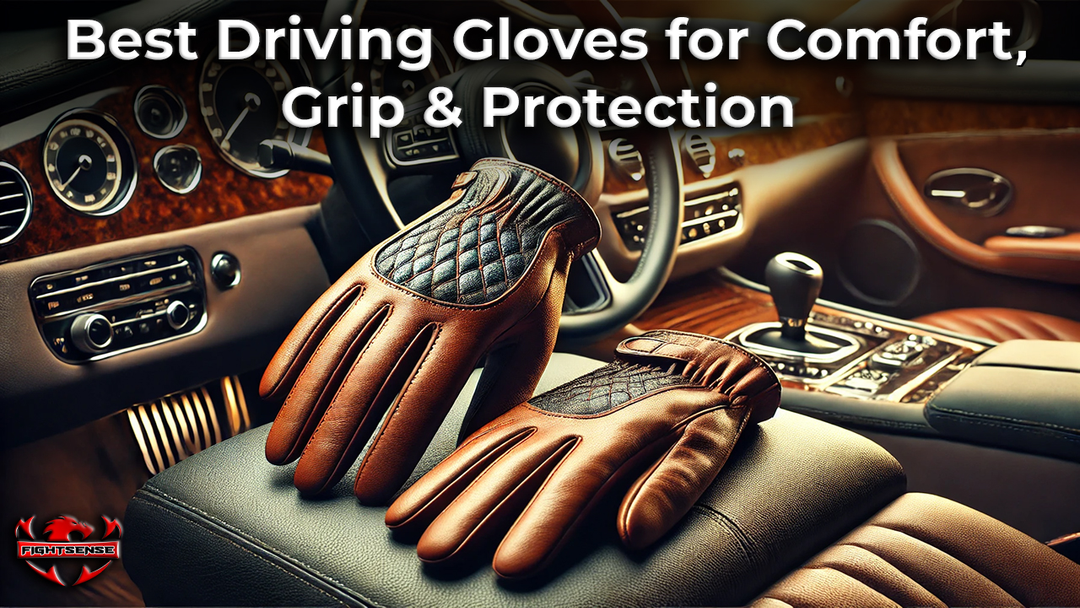
Best Driving Gloves for Comfort, Grip & Protection
A good pair of driving gloves changes the way a drive feels. The wheel sits steadier in your hands, your palms stay dry on a long trip, and cold mornings stop biting through your fingers. This guide explains how to pick a pair that fits well, grips in wet and dry weather, and lasts season after season, so the best driving gloves feel like a natural extension of your hands, not an extra layer you fight against.
Keynotes
- Fit comes first: a glove that is too loose slides on the wheel, and one that is too tight tires your hands.
- Leather gives a classic feel and moulds to your hand; synthetic materials dry faster and often cost less.
- Look for grip in the palm, breathable fabric, and a wrist closure that stays put without pinching.
- Fingerless styles keep your fingertips free; full-finger styles keep your hands warm in winter.
- Clean and condition your gloves regularly so the leather stays soft and the grip stays strong.
What Makes the Best Driving Gloves Worth Wearing?
Driving gloves do three jobs at once: they protect your hands, steady your grip, and keep you comfortable over long distances. The best driving gloves stay comfortable on a two-hour motorway run, hold the wheel firmly when your palms sweat, and still let you feel the car through your fingertips. For a close look at how palm grip works in practice, see these gym gloves with a snug, ergonomic fit, which use the same anti-slip thinking on a smaller scale. If you want a deeper comparison before you decide, read this guide to driving gloves for grip and control.
Leather or Synthetic: Which Material Suits You?
Leather has been the classic driving glove material since the history of the driving glove began in the 1890s, when thin, soft leather helped drivers grip the steering wheel and gear stick. Leather moulds to your hand over time and looks better with age, but it needs conditioning and should not be soaked. Synthetic gloves dry quickly, handle rain well, and are usually easier to wash, which makes them a practical choice for everyday driving and for drivers who want a low-maintenance pair.
How to Find the Best Driving Gloves for Your Hands
Start with the fit, not the colour. Measure around your knuckles, compare the result with the maker's size chart, and choose a glove that sits snug without squeezing. If you have smaller hands, women's gym gloves with anti-slip palms show how a slimmer cut and a secure wrist closure can keep a glove in place without bulk. Try the glove on with your normal driving grip: you should be able to close your hand fully and turn your wrist freely.
How to Choose Driving Gloves for Everyday Comfort
Comfort is not a luxury on a long drive; it is what keeps your hands relaxed and your reactions quick. When you compare pairs, the best driving gloves for daily driving are the ones you forget you are wearing: soft lining, no rough seams across the palm, and a wrist that does not dig in. Support around the wrist matters too, and this guide to gloves with wrist straps explains how a well-designed strap steadies the hand without limiting movement.
Fit First: Measure Before You Buy
Glove sizes vary between makers, so never guess. Wrap a tape measure around your dominant hand at the knuckles, keep your fingers relaxed, and note the measurement in inches or centimetres. If you fall between two sizes, choose the smaller one for leather, which stretches slightly, and the larger one for synthetic gloves, which hold their shape. A glove that fits well will not bunch at the fingertips or pull tight across the back of your hand when you grip the wheel.
Grip That Holds in Wet and Dry Conditions
Rain, sweat, and cold can all make a smooth wheel feel slippery. Textured palms, silicone dots, and perforated leather all help by giving your hands more contact with the wheel. The same idea works in the gym: padded weight lifting gloves use textured, padded palms to stop bars slipping, and that grip-first design is exactly what you want when the road is wet. Avoid gloves with a slick, shiny palm, and test the grip on a dry wheel before a long trip.
Driving Gloves for Every Season
One pair rarely covers the whole year. Lined leather keeps your hands warm on frosty mornings, while unlined or fingerless gloves breathe better in summer. The best driving gloves change with the seasons: a warm, lined pair for winter and a light, breathable pair for summer will both last longer than one pair worn all year. Personal fit matters in every season, and personalized batting gloves are a good reminder that gloves shaped around the wearer always feel better than a one-size-fits-all pair.
Cold Mornings and Winter Roads
For winter, choose a lined glove with a snug wrist that keeps cold air out. Fleece or insulated linings warm your hands quickly, and a full-finger design protects your fingertips from wind chill. Keep a second pair in the car so you are never caught with damp gloves after scraping ice from the windscreen.
Warm Weather and Long Summer Drives
In summer, ventilation matters more than warmth. Perforated leather, mesh panels, and fingerless designs let air reach your hands and stop sweat building up. A light-coloured glove also absorbs less heat when the car has been parked in the sun, so the first minutes of your drive stay comfortable.
Protection That Does Not Get in the Way
A driving glove should protect your hands from blisters, calluses, and vibration without dulling your feel for the road. Padding in the palm absorbs the buzz of a long motorway drive, while a flexible back lets your fingers move freely. The best driving gloves balance both: enough padding to take the sting out of a rough road, and enough feel to keep your steering precise. FightSense applies the same thinking to combat sports — see these boxing gloves built for training and sparring, where shock-absorbing foam protects the hands without killing control — and if you want help matching protection to your sport, read our guide on choosing the right boxing gloves.
Padding, Knuckle Room and Flexibility
Check three things before you buy: padding that sits where your palm meets the wheel, enough room over the knuckles to make a fist, and a back panel that stretches when you flex your fingers. Stiff gloves tire your hands quickly, so bend the glove in your hand before you commit. If the fingers resist or the palm creases sharply, try another size or style.
Caring for Your Driving Gloves
Good care keeps leather soft and synthetic gloves fresh. Air your gloves after every drive, wipe away salt and dirt with a damp cloth, and let them dry naturally away from radiators and direct sunlight. Condition leather every few months with a small amount of leather balm, and wash synthetic gloves by hand with mild soap. The best driving gloves last longer when they are stored flat or loosely rolled, never crumpled into a pocket, and kept out of a damp glove box.
Why Drivers Who Want All-Day Comfort, a Sure Grip and Real Protection Choose FightSense
FightSense builds gloves for people who use their hands hard, from drivers and gym-goers to boxers and outdoor athletes. Every pair is made to be worn for hours: breathable materials, reinforced palms, and a fit that stays secure without pinching. When you shop at FightSense, you get honest prices, clear sizing, and gear that is tested for real use, not just for the shelf. If comfort, grip, and protection matter to you every time you drive, you are in the right place.
Ready to Feel the Difference on Your Next Drive?
Treat your hands to a sure grip and all-day comfort — pick up a pair of fingerless gloves with silicone-coated palms before your next long drive.
Shop Cycling GlovesConclusion
The right driving gloves make every journey easier: a steadier grip, warmer hands in winter, cooler hands in summer, and less fatigue on long drives. Choose your material, measure for fit, check the grip, and look after the pair you buy. With those four steps covered, you can enjoy the road with hands that stay comfortable from the first mile to the last.
FAQs
What are driving gloves used for?
Driving gloves protect your hands, improve your grip on the steering wheel, and keep your hands warm in cold weather. They also reduce vibration and stop blisters on long drives.
Are driving gloves worth it?
Yes, if you drive long distances, drive in cold weather, or find the wheel slippery. A well-fitting pair improves comfort and control, and a good pair lasts for years with basic care.
Should driving gloves be tight or loose?
They should fit snugly without squeezing. A tight glove restricts movement and tires your hands, while a loose glove slides on the wheel and reduces your control.
Can you wear driving gloves in summer?
Yes. Choose fingerless, perforated, or mesh gloves in summer so air reaches your hands and sweat does not build up. Light colours also stay cooler in a parked car.
What is the difference between leather and synthetic driving gloves?
Leather moulds to your hand, feels premium, and improves with age, but it needs conditioning and should not be soaked. Synthetic gloves dry faster, handle rain well, and are easier to wash.
Do driving gloves help with grip?
Yes. Textured palms, silicone dots, and perforated leather all increase contact with the wheel, which helps in wet weather and when your hands sweat.
How do I clean driving gloves?
Air them after every drive and wipe away dirt with a damp cloth. Wash synthetic gloves by hand with mild soap, and condition leather gloves every few months with leather balm. Always let them dry naturally, away from radiators.
How long do driving gloves last?
With regular care, a quality pair lasts for several years. Replace them when the palm grip wears smooth, the seams split, or the lining wears thin.