
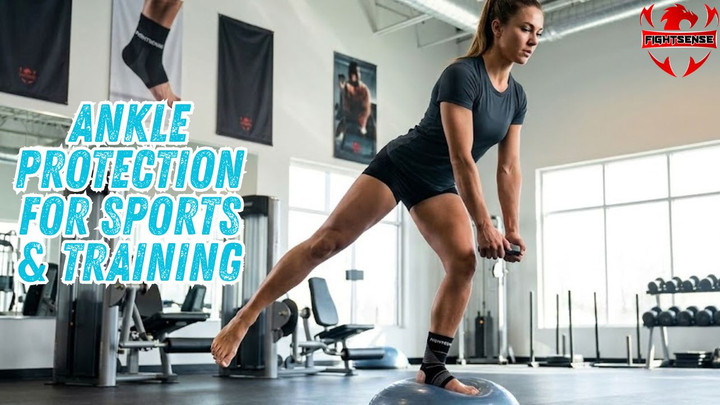
Ankle Protection for Sports & Training
25th Jul 2025
Ankle Protection is essential for anyone active, as every step, jump, or lift puts stress on your ankles. Using an ankle brace provides the right balance of support and flexibility, stabilizing your ankles while allowing natural movement. It helps reduce sprains, boost performance, and speed up recovery.
Keynotes:
- Ankle injuries are common but preventable.
- Braces offer real support to protect your ankles.
- Strength, mobility, and footwear are part of full ankle care.
- Don’t ignore pain or instability—seek professional advice.
- Proper ankle protection can keep you active longer, with less risk.
Why Ankle Protection Matters?
Ankle injuries are some of the most common setbacks athletes and fitness enthusiasts face. Whether you’re running, jumping, or pivoting, your ankles endure a lot of stress. Without proper support:
-
Sprains and strains can bench you for days—or even weeks.
-
Weak or unstable ankles increase the likelihood of recurring injuries.
-
Performance suffers when you’re constantly worried about twisting or hurting your ankle.
Wearing a reliable ankle brace or support can make a huge difference by:
-
Providing stability during high-impact exercises like running, basketball, or gym workouts
-
Speeding up recovery from minor injuries and preventing new ones
-
Boosting confidence so you can train harder without hesitation
In short, the right ankle protection isn’t just about preventing injuries—it’s a tool to enhance performance, improve safety, and keep you moving at your best.
Types of Ankle Protection:
Not all ankle supports are the same. Choosing the right type depends on your sport, activity level, and injury history.
1. Ankle Braces:
-
Rigid or semi-rigid designs for maximum support
-
Best for high-impact sports like basketball, soccer, or football
-
Ideal for athletes recovering from previous injuries
2. Compression Sleeves:
-
Provide mild support and reduce swelling
-
Perfect for running, gym workouts, or daily training
3. Ankle Guards:
-
Extra padding for contact sports
-
Protects from direct impacts or collisions
-
Common in martial arts, soccer, and basketball
Type Level of Support Best For Ankle Braces High High-impact sports Compression Sleeves Medium Gym, running, mild support Ankle Guards Medium-High Contact sports
Top-Rated Ankle Stability Support Products:
Here are some of the most recommended ankle supports to keep you safe during sports and training:
1. Buy Ankle Protection for Sports & Fitness Online:
-
Features: Adjustable straps, breathable material, lightweight
-
Best For: Gym workouts, running, casual sports
-
Price Range: $$
-
Why Choose: Affordable, versatile, easy to wear
2. Professional Ankle Support for Athletes & Gym Training:
-
Features: Premium materials, full ankle coverage
-
Best For: Professional athletes, intensive training
-
Why Choose: Recommended by sports therapists, durable
3. Premium Ankle Gears for Sports & Workouts:
-
Features: Breathable, lightweight, adjustable fit
-
Best For: Advanced training, competitive sports
-
Pros: Combines comfort with maximum support
4. Trusted Ankle Supports for Injury Prevention in Sports:
-
Features: Strong reinforcement, secure fit, anti-slip design
-
Why Choose: Clinically tested, trusted by trainers
Ankle Exercises with Braces for Strength & Injury Prevention:
Wearing an ankle brace during exercises provides extra support and lets you train safely, even if you have a previous injury or weak ankles. Here are effective exercises you can perform with or without an ankle brace:
1. Calf Raises – Can be done with a brace for added support. Stand on a flat surface or step, lift your heels slowly, and lower with control.
2. Ankle Circles – Sit or stand with a lifted leg; rotate your ankle clockwise and counterclockwise. A flexible ankle brace won’t restrict this movement.
3. Resistance Band Exercises – Push your foot forward, backward, inward, and outward against a resistance band. Semi-rigid or flexible braces work well with these exercises.
How to Choose the Right Ankle Protection?
Picking the right support is essential to avoid discomfort or further injury. Consider these factors:
-
Level of support needed: Mild, moderate, or maximum
-
Type of activity: Running, gym, high-impact sports, or contact sports
-
Comfort & fit: Should allow movement without slipping
-
Material & durability: Breathable fabrics and reinforced stitching are ideal
Tips for Maximizing Ankle Safety During Training:
Even with the best ankle support, smart habits prevent injuries:
1. Warm-up exercises: Focus on ankle mobility before workouts
2. Proper footwear: Pair with supportive shoes for added stability
3. Strengthening exercises: Include calf raises, ankle circles, and balance drills
4. Maintenance: Keep braces clean and dry to prevent wear and tear
Fightsense: Smart Training for Safer Ankles:
Fightsense is an innovative approach to sports training that combines technique, awareness, and injury prevention. By focusing on proper footwork, balance, and controlled movements, Fightsense helps athletes protect their ankles while improving performance.
Whether you’re practicing martial arts, boxing, or high-intensity training, incorporating Fightsense principles with ankle braces and strengthening exercises reduces the risk of sprains and strains. This smart training method emphasizes mindful movement, stability, and proprioception, making it a perfect complement to any Ankle Stability Support routine.
FAQs:
1: Can I wear an ankle brace during all exercises?
Yes, as long as it’s flexible enough to allow movement but provides support against twisting.
2: How tight should my ankle brace be?
Firm but comfortable—tight enough to support, not restrict circulation.
3: Do ankle braces prevent injuries completely?
They reduce risk and provide stability but should be combined with strengthening exercises.
4: How often should I do ankle strengthening exercises?
3–4 times per week for best results, or as recommended by a trainer or physiotherapist.
5: Can ankle exercises help if I’ve had a previous injury?
Yes, especially when combined with braces or compression sleeves for support and safety.
Conclusion:
Investing in proper ankle protection isn’t just smart—it’s essential. With the right approach and tools, such as a target ankle brace or gymnastics ankle brace, you can train harder, recover better, and move with more confidence. Your ankles are carrying you through everything—take care of them before they make you stop
Note:
This blog provides general information for educational purposes. Always consult a healthcare provider for specific medical advice or treatment related to injuries or chronic pain.