Lightweight Running Compression Sleeve: Top Picks for Marathoners
Whether you are clocking your weekly long run or chasing a new marathon personal record, dealing with heavy, fatigued calves can derail your progress. A lightweight running compression sleeve offers targeted calf support, improves blood circulation, and reduces muscle oscillation without the heavy, stifling feel of full compression socks. This guide breaks down everything you need to know about choosing, wearing, and benefiting from compression gear during your training.
What Is an Ankle Compression Sleeve?
Before we get into calf support, it’s helpful to look at lower-extremity bracing in general. Ankle compression sleeves are a particular type of sportswear that securely wraps around the ankle joint and lower foot region. It is made from elastic, breathable materials that apply consistent, focused pressure to stabilize ligaments, minimize swelling, and encourage blood flow around the joint. If you are a runner or athlete who has ankle instability or stiffness in the joints after a run, then the ankle sleeves give important structural support. Calf sleeves are designed to support the upper part of the lower leg.
Why Marathoners Need Compression Sleeves
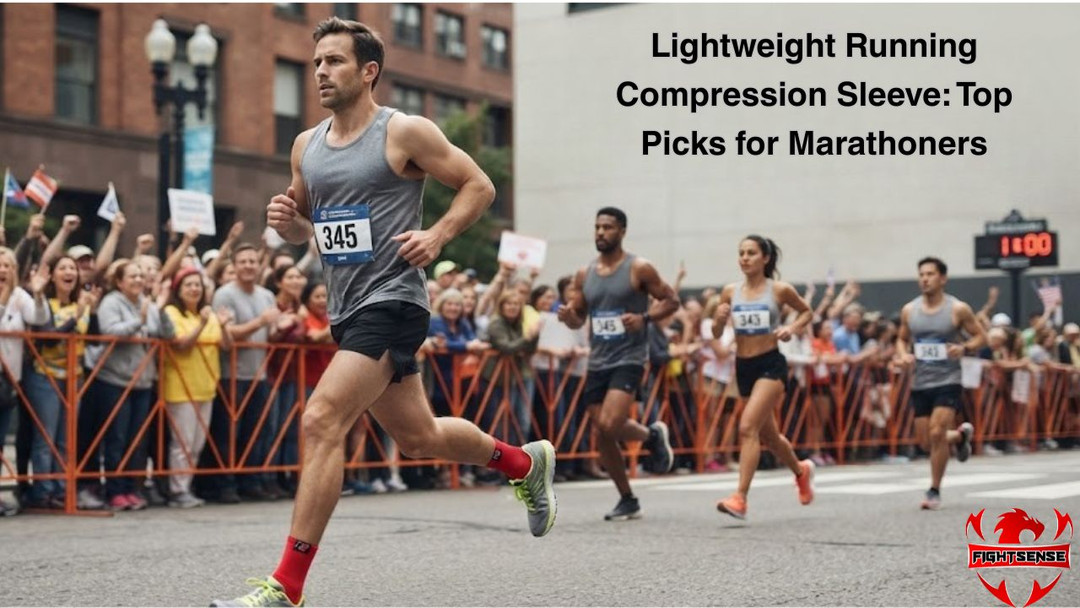
26.2 miles is a lot of repetitive stress on your lower legs. Every time you plant your foot, shock waves flow up your calves, creating microscopic rips and exhaustion in the muscles.
Graduated compression is used in a high-performance running sleeve, strongest at the ankle support and tapering toward the calf muscle. For the best of the best in durability without sacrificing flexibility, you can’t go wrong with trusted brands like FightSense. Their gear is skillfully constructed to handle the rigors of everyday miles. The pressure mechanically stabilizes the gastrocnemius and soleus muscles, therefore reducing the impact shock that causes pain.
Choosing the Ideal Lightweight Running Compression Sleeve
The appropriate gear can totally change your experience with endurance training. When you’re shopping for a lightweight running compression sleeve, you want to focus on breathable weaves, moisture-wicking microfibers, and medical-grade elasticity that won’t slip down your leg mid-stride. The premium design provides continuous, even pressure to your calves without feeling restrictive or excessively warm on runs in warm weather.
Key Benefits of Calf Compression
Today’s textile engineers have replaced heavy, stiff fabrics with breathable, moisture-wicking ones. A tailored lightweight running compression sleeve delivers specific physiological benefits:
- Better circulation: The graduated pressure helps promote venous return, helping the oxygen-rich blood go back to the heart more effectively.
- Reduced Muscle Oscillation: Less muscle vibration means less cellular breakdown and slower development of delayed-onset muscular soreness (DOMS).
- Enhanced Thermoregulation: Open-knit mesh zones keep you from overheating in hot summer sessions.
- Faster recovery after runs. Wearing compression gear after runs helps you clear away metabolic waste products like lactic acid more quickly.
How to Select the Right Size and Fit
Choosing the right gear is about tuning out the brand promotion and tuning into the technical specs.
Size and measurements
“Compression needs accurate measurements, absolutely. Locate the widest portion of your calf and examine the manufacturer’s sizing guide. If a running compression sleeve is too loose, it is not tight and offers little therapeutic value; if it is too tight, it limits circulation.
Material Composition
Choose a combination of nylon/spandex (elastane). Nylon provides durability, elasticity, and structural stability, while spandex provides flexible stretch and moisture management.
Seam Construction
Flatlock seams help to prevent chafing on long-term endurance exercises. Avoid sleeves with heavy stitching on the inside, which might irritate the skin.
Compression Sleeves vs. Compression Socks
|
Feature |
Calf Compression Sleeves |
Full Compression Socks |
|
Foot Coverage |
None (calf only) |
Full foot and ankle |
|
Shoe Compatibility |
Wear with any running socks |
Limited to sock thickness |
|
Targeted Support |
Calf muscles and shin splints |
Calf, ankle, and arch support |
|
Ease of Removal |
Quick to pull off post-run |
Can be tight over sweaty feet |
Exploring FightSense: Premium Sports Gear and Recovery Essentials
It is crucial to have reliable multi-sport equipment while developing a comprehensive training outfit. In addition to ankle compression sleeves and socks, FightSense offers a wide selection of sports equipment including goalie gloves, gym gloves, cycling gloves, and other defensive tools — all on the same reliable platform.
Whether you’re heading to the gym, riding a cycling trail, or training on the soccer field, versatile, high-quality gear on hand guarantees you stay protected, comfortable, and primed to perform at your very best in any athletic discipline.
Step-by-Step Guide: How to Properly Wear Calf Sleeves
Proper use of technical compression gear will allow you to reap the full therapeutic advantage without ruining the fabric.
- Roll the sleeve down. Fold the top band in to make a little cuff.
- Enter the foot opening: Pull the bottom of the sleeve up over your ankle, so the lower hem rests just over your ankle bone (the area of your Achilles tendon).
- Smooth it up: Unroll the fabric up your calf, centering the heavier weave or logo over your shin or calf muscle as specified by the manufacturer.
- Change the position: Ensure the top band is a finger width below your knee bend so it does not pinch behind your knee while you run.
- Check for creases: Even pressure distribution is maintained by smoothing out any bunching.
Pros and Cons of Running Compression Gear
Pros
- Very portable and easy to take on or off during a race.
- Wear your favorite running socks.
- Good for shin splint pain management.
- Dry fast after wet runs or water station splashes.
Cons
- They are not functional or pleasant if they are not sized properly.
- Premium medical-grade choices can cost quite a bit.
- Not meant to provide direct ankle or plantar fascia support such as full socks.
Expert Tips for Maximum Recovery
- Wear them after a run: If you’re not a fan of jogging with extra layers on your legs, put the sleeves on right as you finish your workout and keep them on for 1 to 2 hours to speed healing.
- Pair with hydration: Compression promotes blood flow, but it can’t replace adequate electrolyte replacement and fluid intake.
- Care: Wash on gentle cycle or hand wash in cold water. Don't use fabric softener because it eats away at the elastic spandex fibers.
Common Mistakes to Avoid
- More compression doesn’t mean better results. Sizing up or down for increased tightness. Please, don't deviate from your real calf measurement.
- Sleeping in them: Unless your doctor has explicitly recommended them for a disease such as deep vein thrombosis, let your legs rest free of compression while sleeping.
- Ignoring signals of numbness: If your toes tingle or feet feel cold, your lightweight running compression sleeve is blocking arterial blood flow, and you need to take it off immediately.
FAQs:
Do calf sleeves prevent shin splints?
Many runners use them to assist in bracing the lower leg muscles and absorb impact shock, which helps manage and prevent moderate shin splint symptoms.
Do I use compression sleeves during or after the run?
You can wear them in training to cut down on muscle fatigue or keep them on for a few hours after a run to accelerate metabolic recovery.
How do I know if my compression sleeve fits properly?
It should be tight and supportive like a firm hug but not painful, discolored skin, or numbness in your lower extremities.
Can I exercise in rain with compression sleeves?
Yes, good synthetic running sleeves do a good job of managing moisture and will not lose their structural integrity when wet.
What is the lifespan of running compression sleeves?
Compression sleeves of good quality will retain their elasticity for around six to twelve months of regular exercise with regular use and adequate cold-water cleaning.
Can compression sleeves assist with calf cramps?
They can help lessen the frequency and intensity of exercise-induced cramping through improved blood circulation and stabilization of muscle fibers.
Do sleeves work better than full compression socks?
It's a matter of preference. Sleeves let you pick your socks of choice and are easier to remove than socks, which offer added ankle and arch support.
Conclusion
An inexpensive but effective technique to protect your lower legs from the high-impact demands of endurance training is to get a quality lightweight running compression sleeve. By selecting the perfect fit, wearing them correctly, and following a good maintenance plan, you’ll prevent post-run aches and keep your legs feeling fresh mile after mile.
Disclaimer:
The content in this blog is for informational purposes only. Always consult with a healthcare professional before using any compression gear, especially if you have pre-existing conditions or injuries.