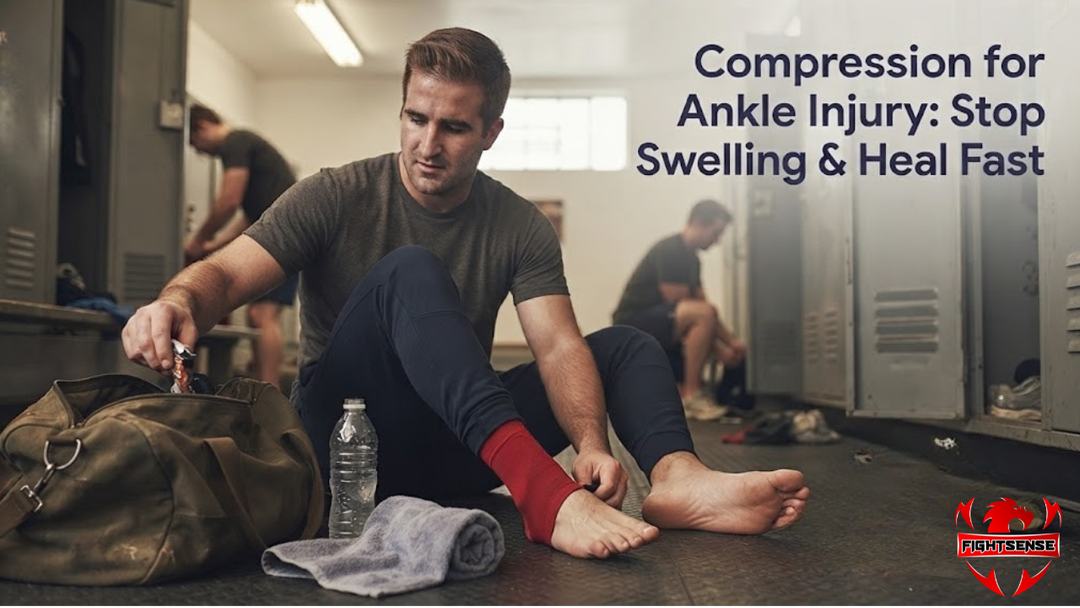
Compression for Ankle Injury: Stop Swelling & Heal Fast
Compression for ankle injury is essential when a sudden twist, sports mishap, or awkward step leaves you struggling to walk. An ankle injury can happen to anyone during daily activities or workouts, bringing sharp pain and frustrating downtime. To manage that pain, reduce swelling quickly, and speed up recovery, compression therapy is one of the most effective solutions available.
In this article, we will explore how compression works for ankle injuries, its key benefits, and how to choose the right support to keep your joints safe and strong.
What Is an Ankle Compression Sleeve?
An ankle compression sleeve is a specific, form-fitting support garment constructed from flexible, elastic materials engineered to deliver constant, homogeneous pressure around your foot and ankle joint. Unlike traditional bulky medical wraps that require manual adjustment, a compression sleeve may be quickly slipped on like a sock to provide targeted support, increase local blood circulation, and keep uncomfortable inflammation firmly under control throughout daily movement or athletic recovery.
What Are the Different Types of Ankle Injuries?
An ankle injury is damage to the ligaments, muscles, or tendons that support your foot and ankle joint. This commonly happens when you fall awkwardly, take a sudden misstep, or when you play high-impact sports. This is one of the most frequent musculoskeletal diseases affecting people of all ages and fitness levels, as these soft tissues support your full body weight. The first step to effective treatment is correctly diagnosing the precise sort of damage you are dealing with, and prompt Compression for ankle injury plays a crucial function in reducing early inflammation.
Sprains (Most Common)
Sprains are injuries to your ligaments — the thick bands of tissue that hold your bones together — that occur when they're overstretched or ripped. Most sprains arise from your foot twisting inward. Immediate Compression for Ankle Injury can aid a sprain that occurs, stabilizing the unstable joint mechanics and controlling the quick influx of fluid that rushes into the affected tissue.
Strains
Strains happen when you stretch or tear the muscles or tendons that support your lower leg and foot. It’s commonly caused by sudden pulling forces or repetitive overuse during exercise. Strains are not about the ligaments of the joints but rather the contractile tissues. Targeted pressure and support can help with localized muscle spasms and pain.
Ligament Injuries
Severe ligament tears involve a lot of structural damage that impacts the overall stability of the ankle joint. This often demands extended rehabilitation, immobilization, or professional medical intervention. These advanced recovery phases demand specialized bracing and constant supportive treatment to protect the recovering fibers from re-injury.
Ankle Injury: Common Symptoms.
It is important to identify the early warning signals of joint stress so that you can respond quickly before a small discomfort escalates into a long-term setback. When soft tissue damage occurs, your body provides a specific set of physical signs that tell you that you require prompt care and correct joint support:
- Swelling across the Joint: Minutes after an injury, there is a quick build-up of fluid in the damaged tissues, leading to obvious swelling, tightness, and pronounced inflammation across the complete structure of the ankle.
- Pain and Tenderness: You may feel sharp, stinging, or deep throbbing pain, especially when putting full weight on the foot, gently pressing on the tender area, or trying to bend the joint.
- Bruising and discoloration: Leakage of blood from damaged micro-vessels under the skin into surrounding tissues results in dark black, blue, or purple discoloration, which commonly progresses downward toward the toes or up the lower thigh.
- Weight Bearing Difficulty: Painful, unstable, and mechanically compromised while standing, walking, or shifting body weight onto the affected foot.
- Limited Range of Motion: Your ankle’s natural range of motion is severely limited by joint stiffness and internal inflammation, which makes it impossible to flex, twist, or move your foot through a normal range of motion without intense agony.
How Compression Therapy and Compression for Ankle Injury Speed Up Healing
Compression therapy is a time-tested, extremely effective medical and athletic strategy where gentle, persistent, and regulated pressure is applied to a trauma site using specialized bandages, supporting wraps, or form-fitting sleeves. When you experience a joint injury, one of the most dependable approaches to control immediate discomfort, reduce subsequent tissue damage, and significantly speed up your total healing schedule is to implement Compression for Ankle Injury.
How Compression Therapy Works
- Enhances Blood Circulation: Provides measured external pressure to improve venous return, assisting in pumping oxygenated blood and critical nutrients to the injured cellular tissue for accelerated repair.
- Reduces Swelling: Helps counteract the body's natural inflammatory reaction by restricting excessive fluid leaking into the surrounding extracellular spaces, keeping uncomfortable swelling firmly under control.
- Prevents Fluid Accumulation: Prevents pooling and edema accumulation around the delicate malleolus and joint capsule so your ankle has improved mobility and less tightness.
- Supports Injured Tissues: Serves as an additional structural reinforcement, stabilizing loose ligaments and strained muscles to decrease micro-movements that may otherwise exacerbate the injury.
Top Benefits of Using Ankle Support Wraps
-
Quickly Reduces Swelling: Effective Compression for Ankle Injury gently applies precise, controlled pressure to restrict excess fluid accumulation in damaged tissues, keeping painful inflammation and throbbing tightness firmly under control.
-
Decreases Internal Bleeding & Bruising: Consistent outward pressure constricts micro-vessels beneath the skin to minimize localized bleeding, which dramatically cuts down on visible discoloration and deep tissue trauma.
-
Improves Ankle Stability: External support acts like an extra layer of structural reinforcement, keeping the vulnerable joint securely locked in place to prevent awkward wobbling and lower the risk of further strain or re-injury.
-
Accelerates Recovery Time: Optimized external pressure enhances local blood circulation, flushing the injury site with essential oxygen and nutrient-rich plasma to speed up natural cellular repair.
Step-by-Step Guide: How to Wrap a Sprained Ankle
Applying compression for ankle injury correctly is essential to reduce swelling, improve circulation, and speed up your ankle’s recovery. Doing it the right way ensures you get the full benefit without causing discomfort or restricting blood flow.
1. Start from the Toes and Move Upward
Begin wrapping at the base of your toes and gradually move up toward the ankle. This helps push swelling away from the injured area.
2. Apply Firm but Comfortable Pressure
The wrap should feel snug, not tight. You should not feel numbness, tingling, or pain.
3. Cover the Ankle Evenly
Make sure the entire ankle is wrapped uniformly to provide balanced support and compression.
4. Secure the Wrap Properly
Use clips or fasteners to keep the bandage in place without loosening during movement.
Why Choose Fightsense Ankle Sleeves for Maximum Support and Recovery?
Building that core balance and lower-body stability is key to avoiding future ankle sprains and bouncing back fast from everyday mistakes. Good training and conditioning are not all that is required, but reliable, high-performance equipment can make all the difference when you need that extra joint confidence.
Premium solutions like Fightsense ankle support sleeves are designed to give you the benefits of medical-grade compression, dependable arch support, and long-lasting joint stability without impeding your everyday movement. Whether you are going back to hard exercises, sports, or just a busy day on your feet, Fightsense gives you the targeted protection and durability you need to keep moving safely.
Conclusion:
Beyond simply alleviating immediate discomfort, good ankle support sets the stage for speedier recovery and long-term joint health. The correct equipment helps to control swelling, to support sensitive tissues and to give you the confidence to move safely. Opt for reliable options like Fightsense to guarantee lasting protection for every step of your recuperation.
FAQs:
Q: Can sleeping with an ankle sleeve on cause circulation issues?
Yes, wearing tight compression overnight can restrict blood flow since your body is fully relaxed. It is always best to remove the sleeve while sleeping.
Q: How many hours a day should an ankle compression wrap be worn?
It is generally recommended to wear it for 4 to 6 hours during active movement, allowing your skin to breathe during long periods of rest.
Q: Does cold therapy work better than compression for a fresh sprain?
They work best together. Ice reduces sharp inflammation initially, while compression controls fluid buildup immediately following the injury.
Q: Is it normal for toes to feel slightly cold after wrapping an ankle?
No, cold toes indicate the wrap is too tight and cutting off proper circulation. You must loosen and reapply it immediately.
Q: Can ankle compression help reduce morning stiffness in the joint?
While it manages daytime swelling, morning stiffness is best eased with light mobility movements rather than wearing overnight compression.
Q: When is it unsafe to use compression on a swollen ankle?
If you experience severe numbness, shooting nerve pain, or suspect a bone fracture, skip compression and see a doctor immediately.
Disclaimer:
This blog provides general information on ankle compression sleeves and braces. Please consult with a healthcare professional for personalized advice, particularly if you have an existing injury or medical condition.