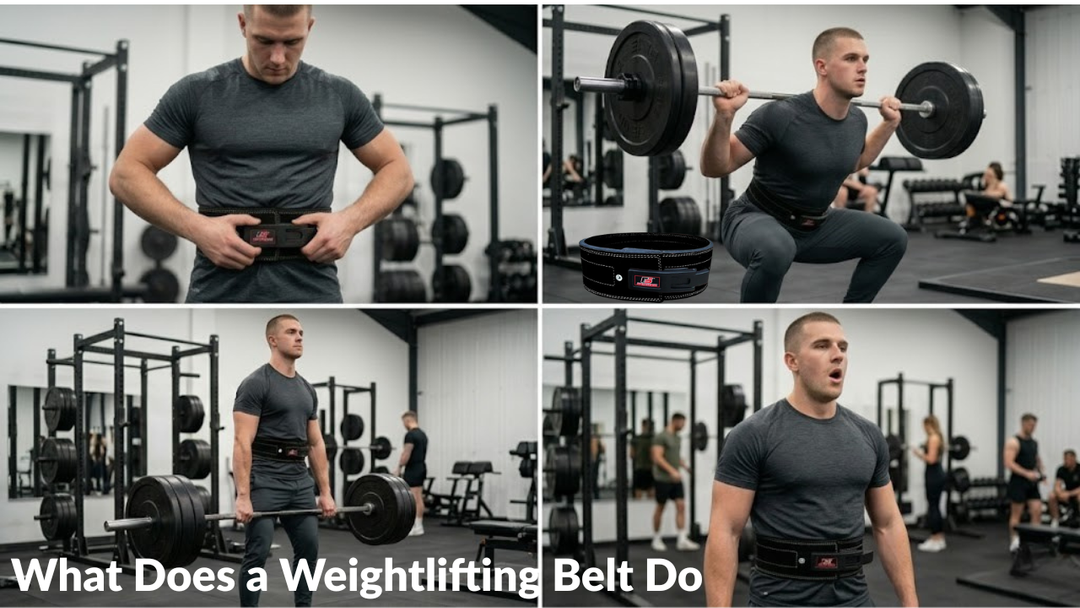
What Does a Weightlifting Belt Do?
What does a weightlifting belt do is one of the most common questions among gym beginners and serious strength trainers. If you spend time in the gym or are serious about strength training, you have likely seen lifters using a thick belt around their waist during heavy lifts. This is known as a weightlifting belt, and its role is often misunderstood by beginners.
Many lifters still don’t fully understand what does a weightlifting belt do in real training performance and how it actually supports heavy lifts.
In this guide, you will learn exactly what a weightlifting belt does, how it works, when to use it, and why brands like Fightsense are becoming trusted in the fitness community.
Key Takeaways:
- A weightlifting belt enhances core stability and intra-abdominal pressure, helping you lift heavier with better control.
- It is most effective during heavy compound lifts like squats, deadlifts, and overhead presses.
- Proper use improves strength performance without replacing natural core strength development.
- Overuse in light training can lead to dependency and reduced core engagement over time.
- Smart lifters use belts as a performance tool, not a shortcut, to maximize long-term progress.
What is a Weightlifting Belt?
A weightlifting belt is a supportive training accessory worn around the lower back and abdomen during heavy resistance exercises such as:
- Squats
- Deadlifts
- Overhead presses
- Olympic lifts
Understanding what does a weightlifting belt do helps you realize its main purpose, which is to assist lifters in generating intra-abdominal pressure (IAP). This increased pressure improves core stability and enhances overall lifting performance during heavy compound movements.
Types of Weightlifting Belts:
Leather Belts: Best for powerlifting and maximum support.
Nylon Belts: Flexible and ideal for functional training and CrossFit.
Lever Belts: Advanced belts used for quick tightening and heavy lifting.
What Does a Weightlifting Belt Do for Strength Training Performance?
Let’s break it down into clear performance benefits:
Increases Intra-Abdominal Pressure (IAP)
The most important function of a weightlifting belt is increasing intra-abdominal pressure.
When you brace your core against the belt, your abdominal muscles push outward while the belt provides resistance. This creates a strong, stable “core cylinder.”
Benefits include:
- Stronger spinal support
- Improved balance under heavy loads
- Better force transfer during lifts
Enhances Core Stability
A weightlifting belt acts like an external cue for your core muscles. It forces you to engage your abs, lower back, and obliques more effectively.
This results in:
- Better posture during heavy lifts
- Reduced spinal movement
- Increased lifting control
Improves Strength and Performance
One of the biggest advantages lifters notice is the ability to lift heavier weights safely.
By increasing stability, the belt allows your body to:
- Generate more force
- Maintain better technique
- Reduce energy leaks during lifts
This is why powerlifters often use belts during maximum attempts.
Supports the Lower Back
A weightlifting belt does not replace your muscles, but it helps reduce stress on your lower back by stabilizing your torso.
This is especially useful during:
- Heavy squats
- Deadlifts
- Overhead lifts
Improves Breathing & Bracing Technique
Using a belt teaches proper bracing technique:
- Take a deep breath into your stomach
- Push your core outward
- Brace against the belt before lifting
This improves both performance and safety over time.
Why Fightsense Are a Good Choice?
The Fightsense brand is gaining popularity among fitness enthusiasts due to its focus on performance and durability.
- Strong and durable construction
- Comfortable ergonomic fit
- Designed for heavy lifting
- Suitable for beginners and advanced athletes
Fightsense focuses on real gym performance, making it a reliable choice for strength athletes who want long-term training support.
When and How to Use a Weightlifting Belt Effectively
A what does a weightlifting belt do, it should be used strategically for better performance and safety in training.
Use it for:
- Heavy compound lifts like squats, deadlifts, and overhead presses
- Training at around 80–90% of your one-rep max
- Strength training and powerlifting sessions
- Personal records (PRs) and max rep attempts
Avoid using it for:
- Warm-up sets
- Light weight training
- Core strengthening exercises
- Beginner form practice
Using the belt in the right situations helps improve core stability, increase intra-abdominal pressure, and enhance lifting performance, while still allowing your natural core strength to develop properly over time.
Common Mistakes to Avoid:
Many lifters misuse belts, which reduces their effectiveness.
- Wearing it too loose or too tight
- Using it for every exercise
- Relying on it instead of proper form
- Placing it incorrectly on the waist
Conclusion:
What does a weightlifting belt do is best understood through its real training benefits. A weightlifting belt is a powerful training tool that helps improve:
- Core stability
- Lifting performance
- Spinal support
- Strength output
However, it is important to remember:
A belt enhances strength—it does not replace it.
For serious lifters, combining proper technique with a quality belt like Fightsense can significantly improve training results and safety.
Note:
This article is for general fitness information only. It is not medical advice. Consult a qualified trainer or healthcare professional before using a weightlifting belt, especially if you have any injuries or health concerns.
FAQs:
1. Does a weightlifting belt replace core strength?
No, a weightlifting belt does not replace core strength. This is a key part of what does a weightlifting belt do in strength training.
2. Can I use a belt for every set in the gym?
No, you should not use a belt for every set in the gym. It is mainly recommended for heavy working sets, not warm-ups or light training sessions.
3. Is a tighter belt always better for lifting?
No, a tighter belt is not always better for lifting. It should be snug enough to allow proper bracing, but still let you breathe and maintain control during movement.
4. Do beginners need a weightlifting belt?
Not usually. Beginners should first focus on building proper form, technique, and natural core control before relying on a weightlifting belt for support. Understanding what does a weightlifting belt do helps beginners use it correctly at the right stage.