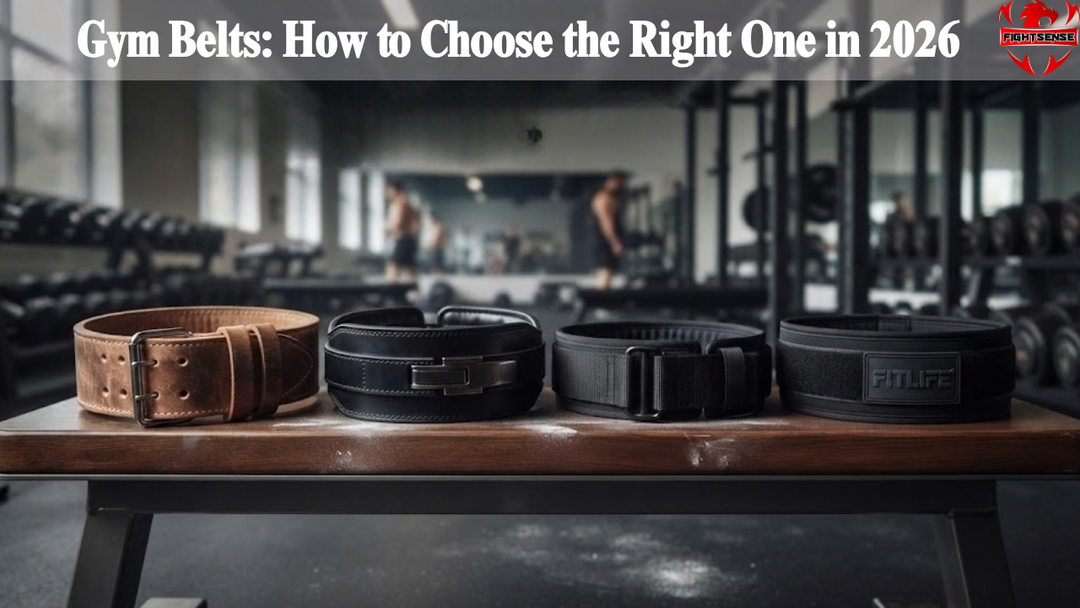
Gym Belts: How to Choose the Right One in 2026
Gym Belts are an essential training accessory that helps lifters improve stability, support, and confidence during heavy exercises. But with so many options available, choosing the right one can be confusing. The right belt can help you lift with better control and focus.
From leather weightlifting belts to lever belts, each design serves a different purpose. Brands like Fightsense offer reliable lifting gear to support athletes during intense workouts. This guide will help you understand the benefits, types, and key factors to consider before buying.
Key Takeaways:
- Better Stability Under Heavy Loads: Gym Belts help lifters improve core support and maintain better control during challenging exercises.
- Choose Based on Your Training Style: Leather weightlifting belts, lever belts, and flexible options each serve different lifting needs.
- Technique Comes Before Equipment: A belt works best when combined with proper form, bracing, and consistent training.
- Quality Makes a Difference: Durable materials, secure fitting, and comfort are important when selecting a lifting belt.
What Role Does a Weightlifting Belt Play During Training?
A weightlifting belt is a piece of strength training equipment used to give support during big lifts. It is often employed during workouts such as squats, deadlifts, overhead presses and other complex lifts.
This device is designed to assist your core in taking on larger loads. When worn appropriately it puts pressure around your midsection so you can brace better.
A good belt is no substitute for form or strength. Instead, it travels with your body in order to provide more stability and allow you to better regulate yourself.
Many athletes employ this form of training equipment in their regime since it helps them to focus on the quality of their movements during difficult sessions.
Why do more lifters add gym belts to their routine?
When you do strength training and add weight, your body needs to handle additional pressure. It is crucial to engage your core to maintain your body stable during the activity.
A reliable lifting attachment can aid in a number of ways:
Enhanced Core Stability
A lifting belt provides your core muscles something to press against and build tension with. This can allow you to keep in a stronger stance during heavier workouts.
More Confidence Under Heavy Load
Many lifters feel more safe using good assistance. This confidence lets them focus on getting the movement done better.
Better Training Control
If you’re consistently lifting heavy in compound exercises, having the correct equipment might help your training feel more regulated and consistent.
How does it feel to wear a lifting belt in real training?
Beginners sometimes think a belt would make them instantaneously stronger, yet that's not how it works. The largest difference most users see is with stability improvements.
For example, a lifter may notice that their body feels tighter as they move upwards during a hard squat workout. The belt has a firmer feel around the core which might make the action feel more controlled.
A typical experience is:
Before you use support:
When the weight gets hard my body feels less steady.
After mastering the right technique:
I feel more connected to the movement and I can focus better.
The secret is knowing how to brace properly. The belt should assist your training, not something you depend on.
Which Types of Lifting Belts Can You Choose From?
Different training styles require different equipment. Here are the most common options:
|
Belt Type |
Best For |
Support Level |
Main Benefit |
|
Leather Weightlifting Belt |
Heavy strength training |
High |
Long-lasting durability |
|
Lever Belt |
Frequent heavy lifting |
High |
Quick adjustment and secure fit |
|
Nylon Training Belt |
General workouts |
Medium |
Flexible comfort |
|
Velcro Fitness Belt |
Light exercises |
Low-Medium |
Easy to wear |
Are Leather Weightlifting Belts Worth Choosing?
Serious lifters often opt for leather styles. They are noted for their longevity, sturdy structure and ability to withstand repeated rigorous training sessions.
They are often used by:
- Muscle development
- Powerlifters
- Strength athletes
- Regular gym-goers
A decent belt should feel supportive, but not hinder your natural movement.
For frequent trainers, it can make sense to invest in sturdy equipment that can last for years with careful care.
How Can You Pick the Right Gym Belts for Your Goals?
The appropriate choice of gym belts comes down to your workout method, body type and personal comfort.
The essential things to remember here are:
Quality of Material
The material has an impact on both performance and life duration.
Leather is a favorite for hard training, as it provides good support and can take the punishment of frequent use.
Width and Thickness
The bigger the design, the more covering you normally get around your center. But comfort should always be paramount.
The optimal solution should be supportive of your activity and not distracting.
Closure System
The designs are different in:
- Buckle fastener
- Locking system for the lever belt
- Straps adjustable
Each approach offers its own advantages based on how you want to work out.
Which Features Make a Good Strength Belt?
Before choosing your equipment, consider these important features:
|
Feature |
Why It Matters |
|
Strong Material |
Handles intense workouts |
|
Comfortable Fit |
Allows natural movement |
|
Secure Closure |
Keeps support in place |
|
Quality Stitching |
Improves durability |
|
Correct Size |
Provides better stability |
A good training accessory should feel like part of your routine, not an uncomfortable addition.
How to Wear a Lifting Belt Correctly?
Choosing the perfect belt is only half the battle; knowing how to use it is the other.
Follow these easy steps:
- Wrap the belt around your middle
- Generate a sense of firmness together with comfort
- Breathe deeply into your abdomen
- Engage your core against the belt before lifting
Don't make it too tight. The idea is to support not restrict your breath.
When Is the Right Time to Use Strength Support?
One of the biggest mistakes is to use support equipment for every activity.
It’s often more useful for activities when your core is more challenged like:
- Deep knee bends
- Deadlift
- heavy lines
- Over Head Presses
For lighter motions many people like exercising without additional support so that their body can perform spontaneously.
Use of equipment should be planned and should be based on your training needs.
Why Does Brand Quality Matter When Choosing Training Equipment?
When buying strength equipment, quality plays a major role.
A reliable brand focuses on:
- Durable materials
- Comfortable designs
- Practical performance
- Long-term use
Fightsense creates training products for athletes and fitness enthusiasts who want dependable support during workouts.
Choosing quality equipment helps lifters stay focused on improving performance instead of worrying about unreliable gear.
How to Maintain Your Training Equipment?
Good maintenance might help you to prolong the life of your equipment.
- Easy tips are:
- Clean after exercise
- Keep away from dampness
- Keep it in a safe place
- Periodically check the buckle or lever
If it is a good piece of equipment, well maintained, it will serve you well for many years to come in your training.
What Do Lifters Usually Notice After Adding Support?
Many lifters notice tiny, but major increases when they add the correct equipment to their regimen.
Some common observations are:
- Increased stability during heavy lifting
- Improved core awareness
- More confidence on big sets
- Sharper concentration on technique
The equipment doesn’t substitute effort but it can make training feel more controlled.
Mistakes to Avoid With Weight Belts
- Too tight a belt – Wear it snug, but not so tight that you can’t breathe properly.
- Bad fit – Choosing the wrong size can result in a bad fit that may limit support and damage your lifting experience.
- Only the belt matters – Strength is built through training, technique and consistency.
- Ignoring good form – A lifting belt will assist your movement, but it won’t replace proper technique.
FAQs:
Is a lifting belt going to help me lift more on my squat or deadlift?
Yes, it can make you more stable and help you keep greater control when you're lifting heavy.
What material is best for a strength training belt?
Leather is valued for its longevity and solid support, especially for heavy lifting.
Do I need to use a belt for every workout?
Nope, save that for big compound lifts where you need that extra assistance.
Lever Belts vs Buckle Belts?
Lever belts are fast to adjust, buckle belts provide more flexibility in fitting.
Will a belt protect my back from injury?
It can increase support, but proper form and exercise habits are still important.
Final Thoughts:
Choosing the correct Gym Belts alternative can enhance your strength training experience, giving you more stability, confidence, and control. Old school weightlifting belts, or the latest lever designs, it’s all about comfort, durability and using them right. With quality equipment from brands like Fightsense, lifters are able to choose support gear that suits their aims and train with confidence.
Note:
This guide is for informational purposes only. Lifting belts support training but do not replace proper technique, coaching, or professional advice. Use equipment responsibly according to your fitness level.