
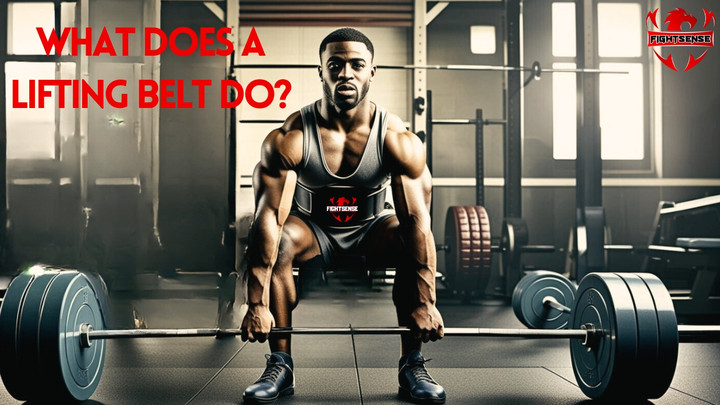
What Does a Lifting Belt Do? Advantages& Usage Explained
17th Mar 2025
What does a lifting belt do in your fitness routine? It’s one of the most debated pieces of gear—some lifters swear by it, while others see it as unnecessary. What does a lifting belt do? Understanding how it works helps you make an informed choice, regardless of your experience level.This guide covers its main benefits, correct usage, and key tips to consider for getting the most out of your lifting belt.
Key Highlights:
-
A lifting belt enhances core engagement and stability.
-
It fixes posture and lessens lower back discomfort.
-
Use it not for every exercise, but for big compound motions.
-
Only proper bracing can maximize its advantages.
-
A belt enhances rather than substitutes for core strength.
What Does a Lifting Belt Do? The Mechanism Behind Its Effectiveness:
A lifting belts is designed to raise intra-abdominal pressure (IAP), providing stability to the core muscles and spine. What does a lifting belt do beyond just providing support? Unlike a restrictive brace, it allows for freedom of movement while enhancing core engagement, improving posture, and boosting overall lifting efficiency.
Main Purposes of a Lifting Belt:
-
Core Stability Enhancement
-
Spinal Alignment Support
-
Intra-Abdominal Pressure Generation
-
Bracing & Power Production
-
Injury & Hyperextension Prevention
What Does a Lifting Belt Do for Strength Training?
For strength training, what does a lifting belt do? It plays a crucial role in generating pressure around the core, which supports the lower back and helps maintain stability during heavy lifts. This added pressure not only improves posture but also ensures proper technique, reducing the risk of injury.
When performing exercises like squats, deadlifts, and overhead presses, the belt helps reduce strain on the spine by providing extra support under heavy loads. Additionally, a weightlifting belt enhances core engagement, making lifts both safer and more efficient. By preventing hyperextension of the lower back, the belt helps maintain a neutral spine posture, which is essential for avoiding unnecessary injuries.
Who uses a gym belt?
Extra stability during complex motions comes from a gym belt, which helps lifters keep control when working out involving several muscle groups. It lessens too much bending and incorrect form, which, if not rectified, may cause injury.
Wearing a gym belt also promotes improved breathing habits, especially for bracing—which is absolutely vital for preserving intra-abdominal pressure. When carrying more weight, this pressure not only improves stability but also confidence.
Furthermore, by supporting spinal alignment and enabling lifters to perform at their best and so reduce the danger of lower back strain, a gym belt is essential for injury prevention.
Advantages of a Lifting Belt:
Enhanced Core Stability & Support:
Core stability is absolutely vital while lifting large weights. An external support system that keeps your waist taut helps you to lift with more confidence and control—a lifting belt.
Lessened Lower Back Strain:
A weightlifting belt helps to equally transfer pressure across the lower back, therefore lowering too much tension and avoiding damage. Those who have a history of back discomfort or those engaged in high-intensity lifting programs will find this feature very helpful.
Enhanced Lifting Capability:
A lifting belt generates intra-abdominal pressure, therefore facilitating more effective lifting. When used properly, many lifters find their strength output increases between 5 and 15 percent.
Promotes correct form and posture:
A belt offers a tangible cue to keep your back straight and chest raised during lifts. This tip helps avoid typical mistakes, such as being too forward-leaning, which could cause accidents.
Improved Bracing Method & Breathing:
When lifting big weights, proper breathing is really vital. A belt helps the Valsalva maneuver—a method in which you inhale deeply and brace your core before lifting to provide further spinal stability.
How a Lifting Belt Boosts Your Workouts:
What does a lifting belt do in your fitness routine? It’s a hotly debated piece of gear—some lifters swear by it, while others think it’s unnecessary. I used to be doubtful, but after using one during heavy squats and deadlifts, I quickly noticed the difference.
What does a lifting belt do? It increases intra-abdominal pressure, stabilizing your core and helping maintain better posture during heavy lifts. Beyond the physical benefits, it also gave me a mental edge—a "fight sense"—boosting my confidence and focus, knowing I was better protected and could push harder.
When Should One Use a Lifting Belt?
Though not necessary for every activity, a lifting belt provides significant advantages. What does a belt do for lifting? It increases core stability, helps support the spine, and boosts lifting efficiency during heavy lifts. You should consider using one when:
-
Performing heavy compound exercises such as deadlifts, squats, and overhead presses.
-
Lifting at 80% or more of your one-rep maximum.
If you have lower back issues, what does a belt do for lifting? It can reduce strain and offer extra protection. For more guidance, please contact us.
When to Skip a Lifting Belt:
A lifting belt provides extra core stability and spine support during heavy lifts, but it’s not necessary for lighter or moderate exercises. Movements like bicep curls, leg extensions, or other isolated exercises don’t require a belt.If your core strength is still developing, relying on a belt too early can slow natural progress. Use it as a tool to protect your back during heavy lifts—not as a replacement for building real core strength.
Correct Use of a Lifting Belt:
1. Should choose the appropriate belt.
-
Perfect for powerlifting and optimum support are leather belts.
-
Nylon belts give dynamic movements flexibility.
-
Prong or lever belts should guarantee a tight, changeable fit.
2. Get the Belt Right
-
Cover the lower abdomen right above your hip bones.
-
Tighten it to be snug but not unduly constrictive; you should still be able to breathe.
3. Get proficient at the bracing technique.
-
Breathe deeply into your tummy, then begin to lift.
-
To build stability, press your abdomen up against the belt.
-
Hold the pressure while lifting, and, keeping your core engaged, exhale at the peak of the exercise.
Typical Mistakes to Prevent:
-
Making Every Lift Using a Belt
-
Ignoring Core Instruction
-
Bad Belt Positioning
-
Neglecting Bracing Correctly
Shop Now!
FAQS:
1. What Does a Lifting Belt Do?
A lifting belt increases core stability by raising intra-abdominal pressure, supporting the spine, and improving posture during heavy lifts.
2. When Should I Use a Lifting Belt?
Use a lifting belt during heavy compound lifts (80%+ of your one-rep max), such as squats, deadlifts, and overhead presses.
3. Can I Use a Lifting Belt for Every Workout?
No, it's best used for heavy lifts. Overusing it can limit your core strength development.
4. Does a Lifting Belt Prevent Injuries?
It can reduce injury risk by stabilizing the core, but proper form is still crucial to avoid injury.
5. What Size Lifting Belt Do I Need?
Choose a belt that fits snugly around your waist without being too tight, allowing for effective core engagement.
Final Thoughts:
So, what does a lifting belt do? When used correctly, it enhances core engagement, improves lifting performance, and helps prevent lower back issues. However, it should never replace proper form or strong core development. If you regularly lift heavy, a belt can be a smart investment—provided you use it the right way.
Disclaimer:
This material serves only for informational purposes. Before utilizing a weightlifting belt, always see a fitness professional, particularly if you have pre-existing medical concerns.