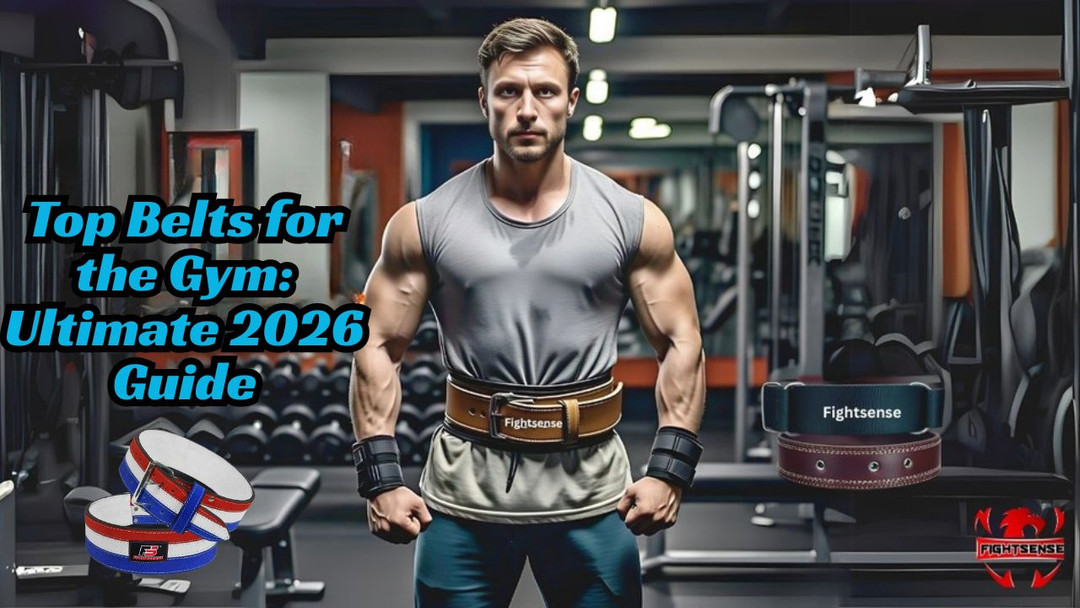
Top Belts for the Gym: Ultimate 2026 Guide
Belts for the Gym are one of the most searched training accessories among lifters who want better support, stability, and confidence during strength workouts. With so many options available, choosing the right belt can be confusing because every design, material, and support level serves a different purpose.
Finding the perfect gym belt is not just about picking any accessory — it is about understanding what actually matches your training goals. In this guide, we’ll explore the benefits, types, buying tips, and common mistakes to help you discover the best Belts for the Gym option for your workouts and take your performance to the next level.
Key Takeaways:
- Choose Based on Your Goals: The best gym belt depends on your training style, lifting level, and the type of exercises you perform.
- Support Matters More Than Price: A quality belt should provide stability, comfort, and confidence without limiting your natural movement.
- Different Belts Serve Different Purposes: From weightlifting belts to lever and nylon options, each design offers unique benefits for specific workouts.
- Proper Usage Creates Better Results: A belt works best when combined with correct technique, core bracing, and consistent training habits.
What Is a Gym Belt?
What is a gym belt? A gym belt is a supportive training accessory used to give extra stability around your core during heavy lifting activities. It is a frequent grip for activities such as squats, deadlifts, rows and other strength-based workouts.
A lifting belt is not a replacement for good form. Rather, it allows lifters to have more control and be more braced when they lift greater weights.
The myth is that only pro sportsmen should wear a belt. In fact they’re a staple in many a fitness junkie’s workout routine when they need a little extra support.
Benefits of Using Belts for the Gym in Workouts
Proper use of a lifting belt can offer a number of benefits.
1. Increased core strength
Your core is very important to maintain your body in balance during heavy exercises. A belt can assist you create more pressure in the abdomen, which helps to improve your lifting technique.
This can especially be helpful during compound exercises, when more than one muscle group is working together.
2. Greater Confidence on heavy lifts
Heavy training is not just physical but mental. Knowing you have reliable backup can make it easier to attack challenging sets with confidence.
A comfy belt can add to your sense of security during more difficult motions.
3. Better consistency in training
Your body will feel supported and you may be able to have better workout consistency. The correct equipment helps you focus on your training goals.
4. Growing Awareness of Correct Bracing
A lifting belt can serve as a reminder to brace your core correctly. But it must always be accompanied with solid technique and training habits.
Gym Belts: What Types Should You Know
Lifting belts aren’t all intended for the same purpose. Knowing what the choices are makes picking easier.
Weight Lifting Belts
People who do general strength training and Olympic style lifts often use weightlifting belts.
They typically walk the line between support and flexibility, making them applicable to many different kinds of workouts.
Powerlifting Belts
Powerlifting belts are built to provide maximal support when squatting, deadlifting and during strength based workouts.
They are normally thicker and recommended by advanced lifters.
Lever Belts
Lever belts use a lever buckle method for rapid tightening and releasing.
Many serious lifters prefer lever versions because they offer a secure fit and constant support.
Belts (Nylon)
Nylon belts are light and comfy. Beginners generally choose these, needing support without a thick leather design.
How to Choose the Best Belts for the Gym in 2026
It is crucial to know what makes one belt better than another before you decide to buy a belt.
The best relies on your level of training, workout schedule, comfort preference and personal goals.
Quality of Material
Material is vital for durability and comfort.
Leather belts are often more durable and built to last, whereas nylon belts are lighter and easy to adjust.
Pick a fabric that suits your exercise style.
Fit & Size
> A belt should be tight, not uncomfortable.
If it is too loose it may not offer enough support. If it's excessively tight, it can restrict your breathing and movement.
If it feels good you can naturally engage your core.
Width and Thickness
A broader belt often offers more assistance while carrying large objects.
However, a somewhat lighter design could be better for novices and allow for more movement.
Buckle Type
The various methods of buckles have different advantages.
Traditional prong buckles are simple and reliable, but a lever system is quicker to adjust.
Choosing the Right Gym Belt
|
Belt Style |
Support & Feel |
Recommended Use |
Suitable For |
|
Leather Lifting Belt |
Firm and durable support |
Heavy compound movements |
Serious strength trainers |
|
Lever Buckle Belt |
Strong hold with quick adjustment |
Power-focused training |
Advanced lifters |
|
Nylon Training Belt |
Flexible and lightweight design |
Daily gym sessions |
New lifters & fitness users |
|
Weightlifting Belt |
Balanced support and mobility |
General weight training |
Are Belts for the Gym Necessary for Everyone?
Many people ask themselves if they truly need a lifting belt.
It depends on how you like to train.
If your routines are largely light, aerobic, or general fitness exercises, you probably don’t need a belt.
But if you’re doing a lot of heavy squats, deadlifts or progressive strength training, a belt can be a valuable supplement.
The most important thing is to get the technique right first. Your belt is meant to support your training, not substitute for basic movement patterns.
How to Properly Use a Gym Belt
Just as crucial as choosing the appropriate one is using a belt properly.
Just follow these easy steps:
Step 1: Position the Belt Properly
Place the belt around your midsection where it gives you the most support.
Step 2: Tension Adjustment
The belt should be snug, but not tight. You should still be able to breathe and brace your core.
Step 3: Work on your bracing
Take a deep breath before you raise and brace your core against the belt.
Step 4: Use it on heavy sets
A belt is generally most useful for heavy sets and not every single exercise.
Common Mistakes People Make
- Wearing the belt too tight and limiting natural movement
- Using a belt for every exercise instead of when needed
- Ignoring proper lifting technique and form
- Choosing the wrong belt size for your body
- Depending on the belt instead of building core strength and control
Fightsense: A Fitness Brand for Training Equipment
When it comes to purchasing fitness accessories many athletes prefer established fitness brands that offer durable equipment.
Fightsense is a fitness business that supplies training products for athletes and gym goers. The company provides fitness equipment including weightlifting belts and lever belts to help people select the right gear for strength training.
Tips to Help You Improve Your Belt Results
So, to get the most out of your belt remember these points:
- Use it on heavier motions
- Learn how to brace correctly
- Select the correct size
- Maintain your gear clean and in good order
- Progressively increase weights
- The key is to train consistently.
A belt is most effective when used as part of a comprehensive fitness program that includes adequate exercise, rest and diet.
FAQs:
1. What thickness should I aim for in a lifting belt?
Ideal thickness depends on your workout technique, body comfort and how much support you need.
2. Heavier weight lifting belts?
Yes, it can aid with bracing and stability, which can help you to lift better when the going gets tough.
3. Does wearing a belt weaken your core?
No. A belt complements your training when utilized properly, it doesn’t replace core development.
4. How do I care for my lifting belt?
To keep it clean, dry and properly stored to maintain its shape and longevity.
5. How easy is it to travel with a gym belt?
Yes, most belts are portable and may be transported with ordinary training equipment.
Concluding Thoughts:
The best gym belt for you will depend on your training goals, comfort and lifting needs. The best belt is not usually the most costly one but the one that gives sufficient support and confidence.
Choosing the proper one and using it correctly, a great lifting belt can enhance your workouts and aid your fitness quest in 2026 and beyond.
Disclaimer:
This guide is for informational purposes only and does not replace professional fitness advice. Use gym equipment responsibly and train according to your personal ability and goals.