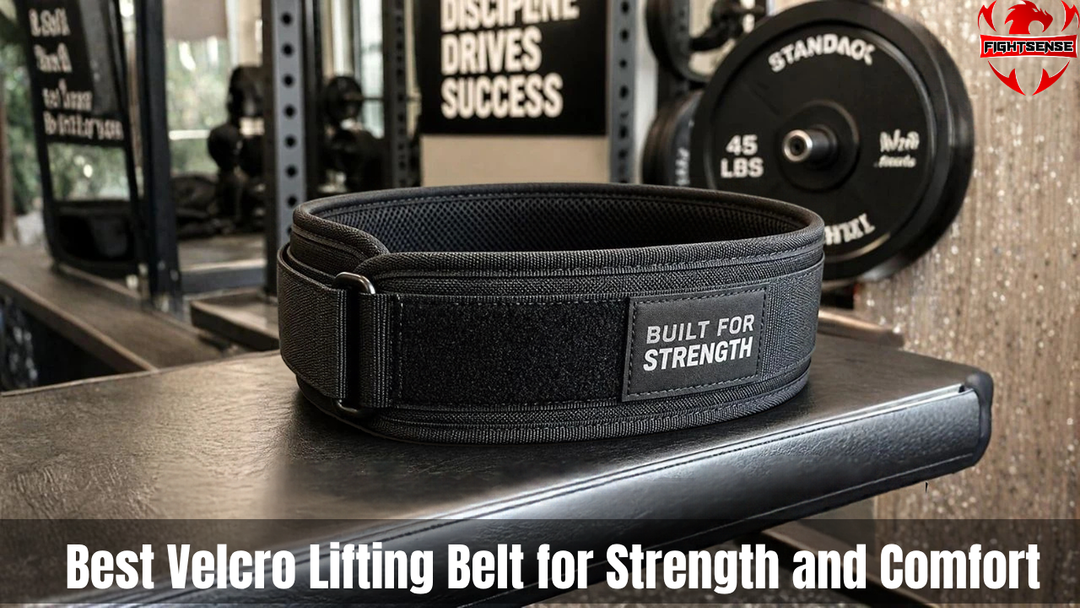
Best Velcro Lifting Belt for Strength and Comfort
Why are more lifters replacing traditional belts with a Velcro Lifting Belt? Heavy training is not just about lifting more weight; it is about stability, control, and having equipment that moves with you.
With better comfort, quick adjustments, and reliable support, this type of belt is becoming a favorite choice for athletes in weightlifting, CrossFit, and functional training. But what makes it different, and is it the right choice for your workouts?
Key Takeaways
- Velcro Lifting Belts deliver comfort, support, and freedom of movement.
- Quick-adjust designs make workouts smoother and more efficient.
- Choosing the right belt depends on your goals and training style.
- Proper technique combined with support leads to better performance.
- Quality lifting gear helps you train with confidence and control.
What Makes a Velcro Lifting Belt a Smart Training Choice?
A Velcro Lifting Belt is designed to provide superior support, stability and comfort when you are lifting large weights. Unlike typical buckle belts, its hook and loop clasp means you can make quick adjustments, so it’s easy to tighten or loosen in between sets.
The lightweight Nylon design allows better flexibility and range of movement while supporting your core during activities like squats, deadlifts, and presses. That makes it a good alternative for athletes who want comfort without sacrificing performance.
Major benefits include:
- Quick & easy to adjust
- Lightweight and flexible design
- Dependable core support
- Good for everyday training
Why Do Nylon Lifting Belts Use Velcro Closures?
Velcro is used in Nylon lifting belts because it provides a balance of comfort, flexibility, and quick adjustment. The lightweight and durable Nylon material works with the fastening system to create a secure fit while allowing natural movement.
Unlike rigid belts, Velcro designs are easy to adjust between exercises, making them convenient for intense training sessions. This combination of support and flexibility is why many athletes prefer Nylon lifting belts.
How Can a Lifting Belt Improve Your Heavy Training Performance?
Most newbies think that the objective of lifting belts is to protect the lower back, but in reality their main purpose is to increase stability.
Wearing a belt appropriately helps with abdominal pressure since it gives your core something to buffer against. This can allow you to stay in better positions on hard exercises.
A good lifting belt can provide:
Enhanced Core stability
Heavy exercises demand considerable core involvement. Additional support can help the athlete retain better control across each repeat.
More confidence on heavy sets
Feeling supported can boost attention and confidence when you're executing tough exercises.
Fast Changes
The fastener system lets the athletes customize the level of support without disrupting the workout program.
Extra Comfort
Flexible fabrics give a less restrictive feeling that athletes experience with heavier belt styles.
Lifting belts are meant to help you in your performance, but yet allow natural mobility.
Is a Velcro Lifting Belt Good for Beginners?
Choosing your first lifting belt can be tricky, but a Lifting Belt is a great option for beginners as it is lightweight, comfortable and easy to adjust.
It can enable new lifters to get stable, learn how to brace properly and gain confidence in heavier lifts. However, it should assist solid technique, not replace proper form and training habits.”
How Do You Choose the Right Lifting Belt for Your Goals?
Before buying a lifting belt, consider these key factors:
- Material Quality: Choose durable Nylon construction with strong stitching for long-term use.
- Support Level: Select a belt that matches your training style and required stability.
- Comfort and Fit: Ensure the belt feels secure while allowing natural movement.
- Adjustment System: Look for a reliable closure that allows quick and easy adjustments.
How Does a Velcro Belt Compare With Other Lifting Belt Types?
Understanding the differences between belt styles can help you make a better choice.
|
Feature |
Velcro Belt |
Leather Belt |
Lever Belt |
|
Comfort |
Lightweight and flexible |
Stiff and structured |
Firm support |
|
Adjustment |
Very quick |
Requires buckle adjustment |
Fast after fitting |
|
Mobility |
Excellent |
More restricted |
Moderate |
|
Best For |
CrossFit, functional training, general strength |
Heavy powerlifting |
Advanced strength training |
|
Beginner Friendly |
Yes |
Sometimes difficult |
Better for experienced lifters |
Each option has advantages. Your ideal choice depends on your training style and the level of support you need.
How Fightsense Helps You Train Better?
Athletes need equipment they can trust when they train hard, as well as comfort and performance. Fightsense is a fitness brand that specializes in weightlifting equipment like lifting attachments and lever belts for strength training.
This label offers robust, functional equipment for athletes seeking to enhance their assistance along the road to fitness. Quality gear helps you stay focused and confident in your workout, whether you're honing your technique, increasing strength, or prepping for advanced training.
What Types of Lifting Can Benefit From a Lifting Belt?
A lifting belt can be a beneficial piece of equipment for different sorts of athletes and workouts.
Powerlifting: Control and stability are required for heavy lifts. A supporting belt might help athletes feel more confident on difficult sets.
CrossFit: Flexibility and adjustability are also practical reasons to use belts that are quickly adjustable for different exercises.
Functional Training : Athletes that mix strength, mobility and conditioning frequently prefer equipment that does not restrict movement.
Resistance Training: A supporting belt might assist lifters feel more in control when doing progressive overload exercise.
Is a Lifting Belt Worth Adding to Your Gym Gear?
A Velcro Belt can be a great addition to your gym gear, particularly if you’re an athlete that does frequent strength workouts. It is a good choice for beginners and experienced lifters, thanks to its comfort, flexibility and easy adjustment.
A lifting belt can help with extra support during large lifts, but it should be accompanied by adequate training, precise technique, recovery, and steady progress. When you choose it set up to meet your demands, it can help you workout with more steadiness, confidence and control.
FAQs:
Q: What makes a Velcro Belt different from a regular lifting belt?
A Lifting Belt uses a hook-and-loop closure that allows faster adjustments and provides more flexibility compared to traditional buckle or leather belts.
Q: Can a Velcro Lifting Belt be used for heavy compound exercises?
Yes, it can provide additional core support during movements like squats, deadlifts, and presses when used with proper lifting technique.
Q: Is a Lifting Belt suitable for everyday gym training?
Yes, its lightweight design makes it a convenient choice for regular workouts where comfort and mobility are important.
Q: Does wearing a lifting belt make your core weaker over time?
No, a lifting belt supports your training when used correctly. It should work alongside proper
Q: How tight should a Velcro Belt be for effective support?
It should feel secure around your waist while allowing comfortable breathing, movement, and proper core bracing.
Conclusion:
The Velcro Lifting Belt provides a nice balance of comfort, flexibility & support for strength training. If you choose the perfect one, and use good technique, it can help you train with better stability, confidence, and control during hard lifts.
Whether you are a beginner or an experienced athlete, selecting the correct belt will enhance your overall training experience. Good equipment can enable you to improve and stay focused on your exercise goals.
Disclaimer:
This article is for informational purposes only. Always choose training equipment based on your fitness needs.