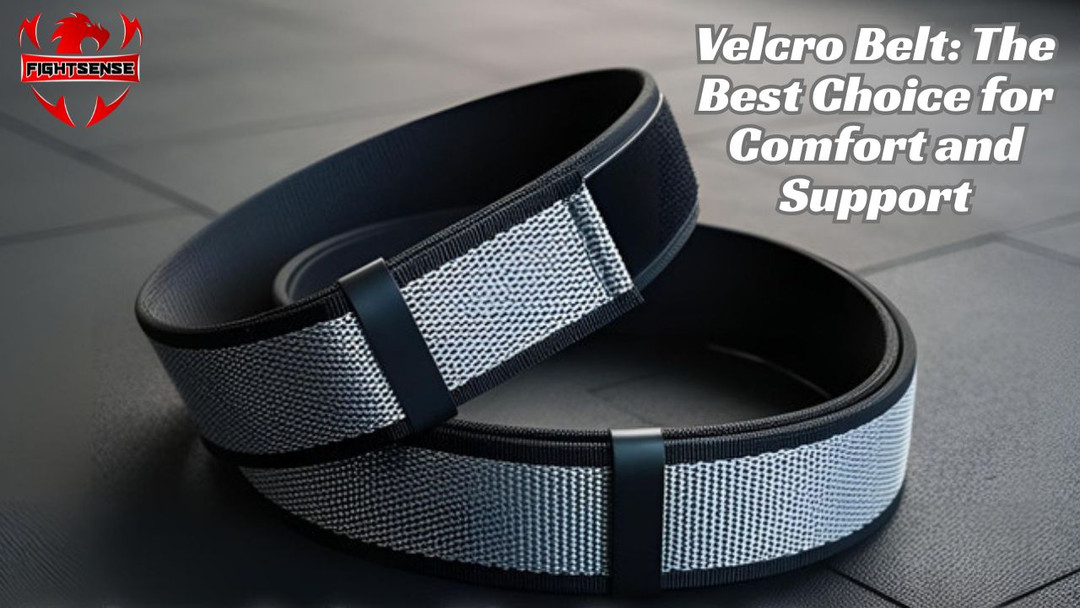
Velcro Belt: The Best Choice for Comfort and Support
Velcro belt designs have become a top choice for athletes and gym-goers who want comfort, flexibility, and reliable support during workouts. Unlike traditional leather belts, they feel lightweight, allow quick adjustments, and provide better mobility while still supporting the lower back and core during training.
Brands like Fightsense are helping athletes train smarter with durable and high-performance gym gear, including flexible workout belts, weightlifting belts, and lever belts. In this guide, we’ll explore why more fitness enthusiasts are choosing this modern training essential over traditional options.
Key Takeaways:
- A velcro belt delivers a smart balance of comfort, flexibility, and reliable training support for modern workouts.
- It performs strongly in moderate-to-heavy lifts, while ultra-maximal attempts may still benefit from a more rigid belt system.
- The ideal fit is secure yet breathable—enough tension to brace the core without restricting natural movement.
- Durability depends on quality; premium construction maintains grip and performance far longer than budget options.
What Is a Velcro Belt?
A velcro belt is a flexible support belt designed for workouts, weightlifting, and fitness training. Unlike traditional leather belts that use metal buckles, this type of belt uses a strong hook-and-loop fastening system that allows quick adjustments and a more comfortable fit.
It provides core and lower back support while still allowing natural movement, making it a popular choice for gym-goers, athletes, and functional fitness enthusiasts.
Why Comfort Matters During Training?
Comfort plays a major role in workout performance. If your gear feels restrictive or distracting, it can negatively affect your strength, posture, and focus. A good support belt should help improve core stability, protect the lower back, and allow natural movement during training.
This is where the Fitness support belt stands out. Its flexible material and quick-adjust system let athletes easily tighten or loosen it based on exercise intensity. This makes it especially useful for CrossFit, functional training, circuit workouts, and high-rep sessions, where comfort and fast adjustment improve overall efficiency.
The Growing Popularity of Flexible Training Belts:
Fitness trends have changed dramatically over the last few years. Modern athletes no longer focus only on maximum strength. Today, people want:
- Better mobility
- Faster movement
- Functional power
- Injury prevention
- Comfortable support
Traditional belts are still useful for heavy lifting, but many athletes now prefer lighter and more adaptable options for everyday training.
The velcro belt has become a perfect solution because it combines:
- Stability
- Flexibility
- Lightweight construction
- Easy adjustment
- Comfortable compression
This type of support works well for both beginners and experienced lifters.
How Quick Adjustments Improve Workout Performance?
One of the biggest advantages of modern support belts is how quickly they can be adjusted.
During a workout, different exercises require different levels of tightness. For example:
- Heavy squats may require maximum support
- Cardio movements need more flexibility
- Rest periods feel better with reduced pressure
With a traditional buckle system, changing tightness can interrupt your workout rhythm. However, a velcro belt allows instant adjustment without slowing you down.
This simple feature improves:
- Training efficiency
- Comfort between sets
- Breathing control
- Overall workout experience
For athletes who train intensely or perform multiple exercises in one session, this convenience matters a lot.
Better Mobility Without Sacrificing Support:
Mobility is essential in modern fitness. Restrictive equipment can negatively affect movement quality and exercise performance.
A flexible training belt supports the core while still allowing:
- Natural bending
- Twisting movements
- Athletic positioning
- Dynamic exercises
This is one reason CrossFit athletes and functional fitness enthusiasts often prefer lightweight support systems over rigid leather designs.
Fightsense understands this balance extremely well. Their training gear is designed to provide stability while still allowing athletes to move freely during workouts.
Instead of feeling trapped inside a stiff belt, users experience a more comfortable and athletic fit.
Lightweight Design Makes a Huge Difference:
Traditional lifting belts can feel heavy and uncomfortable, especially during long workouts.
Modern flexible belts are much lighter, which makes them:
- Easier to wear
- More portable
- Comfortable during extended sessions
- Ideal for travel
A lightweight design also prevents the feeling of excessive restriction around the waist.
Fightsense has focused heavily on creating products that feel supportive without becoming uncomfortable. Their belts are built for athletes who want durability and performance without unnecessary bulk.
This approach has helped the brand gain popularity among fitness enthusiasts looking for practical gym gear.
Why Weightlifting Belts Are Still Essential for Heavy Lifting
Although flexible belts are excellent for many workouts, dedicated weightlifting belts still remain essential for serious strength training.
Heavy compound exercises require stronger support systems to maximize stability and safety.
Fightsense offers premium weightlifting belts designed for:
- Heavy squats
- Deadlifts
- Olympic lifts
- Strength progression
- Serious gym performance
These belts are built using durable materials that provide enhanced core support during maximal lifts.
Athletes focused primarily on strength development often prefer a more rigid structure during extremely heavy training sessions.
Common Mistakes People Make:
Even the best gym belt will not help if used incorrectly.
Wearing the Belt Too Tight
Over-tightening can make breathing difficult and reduce movement quality.
Depending on the Belt Too Much
Belts support your core, but proper lifting technique still matters most.
Choosing Cheap Quality Products
Low-quality belts often lose support quickly and wear out faster.
Fightsense focuses on premium construction to ensure durability and long-term performance during intense workouts.
Ignoring Proper Positioning
The belt should sit correctly around the waist to provide effective support.
How to Make Your Belt Last Longer?
Taking care of gym equipment helps improve durability and performance.
Here are a few simple maintenance tips:
- Keep the fastening area clean
- Avoid excessive moisture
- Store it properly after workouts
- Clean gently with mild soap
- Avoid folding it aggressively
Proper care ensures your velcro belt maintains strong grip and reliable support over time.
Final Thoughts:
Choosing the right workout belt can improve both comfort and performance during training. A velcro belt offers a great balance of support, flexibility, lightweight comfort, and easy adjustment, making it ideal for safe and versatile workouts.
While weightlifting and lever belts are still important for advanced strength training, Fightsense continues to provide high-quality options for all types of lifters. Whether you’re a beginner or an experienced athlete, the right belt can make a real difference in your fitness journey.
Disclaimer
This page serves only for informative needs. Select Fitness support belt specifically for your needs always. See a professional for weightlifting or heavy-duty use to guarantee correct fit and support.
FAQs:
1. Is a velcro belt enough for heavy lifting?
Yes for moderate to heavy lifts, but for max strength attempts many lifters prefer a more rigid belt.
2. How should it fit during workouts?
It should feel snug and supportive, but still allow you to breathe and brace your core properly.
3. Can I use it for squats and deadlifts?
Yes, it works well for both, especially for beginners and intermediate lifters.
4. Will it reduce core strength?
No, when used correctly it supports your lifts without replacing core training.