
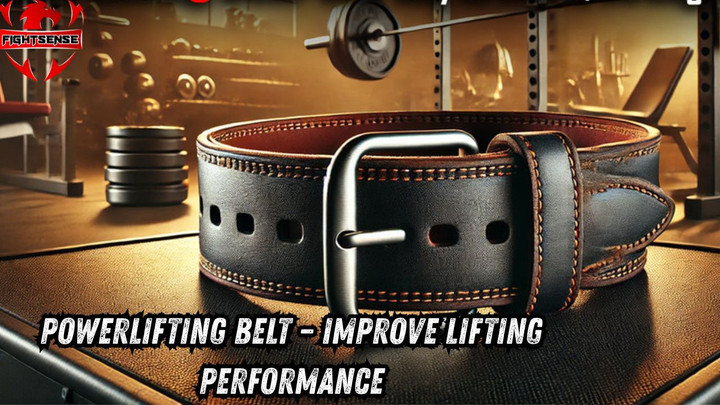
Power lifting Belt – Improve Lifting Performance
19th Mar 2025
When it comes to heavy lifting and powerlifting, a power lifting belt is one of the most essential tools a lifter can own. This equipment is designed to support your core and stabilize your spine during challenging lifts. Regardless of your experience level, using the right belt can make a significant difference in both performance and safety.
In this article, we’ll explore the key benefits of the belt and compare it with similar gear, including options like the Power Ranger Belt, to help you determine which one best suits your lifting goals.
Key Highlights:
-
A power lifting belt stabilizes the core and reduces injury risk during heavy lifts.
-
Power Ranger belts are fun but not effective for strength training.
-
Men’s belts provide extra back support for male lifters.
-
Always choose a belt that fits your body, goals, and comfort.
What is a Power lifting Belt?
A power lifting belt is a supportive belt worn around the waist during strength training exercises. Its primary function is to provide external support to the lower back and abdominal region. By increasing intra-abdominal pressure, the belt stabilizes the spine, allowing you to lift heavier loads more safely.
Originally developed for competitive powerlifters, the belt has gradually become a staple in other fitness domains, including functional training and combat sports. Fighters, in particular, benefit from the belt because it helps maintain proper posture and reduces the risk of injuries during explosive movements like heavy squats, deadlifts, or Olympic lifts.
How a Strength belt Enhances Performance:
A belt improves lifting performance in several ways:
1. Core Stability: Wearing a belt increases intra-abdominal pressure, creating a rigid core. This stability supports the spine during heavy lifts, allowing for better control and technique.
2. Lifting Heavier Weights: With improved support, athletes can push their limits safely. For fighters, this translates into stronger legs, glutes, and back—key muscles for explosive power in striking and grappling.
3. Injury Prevention: The belt acts as a protective layer for the lower back, reducing the risk of strains, herniated discs, or improper spinal alignment.
Types of Belts for Strength Training:
Leather Belts:
The most classic option, leather belts are made of robust material that offers lifetime durability and excellent support. They are ideal for competitive powerlifters and heavy lifters.
Nylon Belts:
Made from nylon, these belts are lighter, more flexible, and comfortable. They are perfect for beginners or athletes who need more mobility during lifts.
Men’s Belts:
Specifically designed for male body types, these belts accommodate a larger back and smaller front, providing extra support for heavier lifts.
Velcro Belts:
Velcro belts are not as rigid as leather but offer adjustable support, making them a popular choice for beginners or athletes seeking comfort and flexibility.
Choosing the Right Belt for Your Training:
Not all belts are created equal. When selecting a belt, consider the following factors:
-
Material: Leather belts are rigid and durable, offering maximum support. Nylon belts are more flexible, suitable for beginners or lighter lifts. Suede belts strike a balance between comfort and support.
-
Width & Thickness: A standard 4-inch wide belt provides even support around the waist. Thicker belts (10mm–13mm) are more rigid and ideal for heavy lifting, while thinner belts are better for mobility.
-
Buckle Type: Single-prong belts are simple and secure. Double-prong belts offer extra safety for very heavy lifts. Lever belts are quick to put on and adjust but require more precision in sizing.
Common Mistakes to Avoid:
Even experienced athletes make errors when using a belt. Avoid these common mistakes:
-
Wearing the belt too loosely or too high. It should be snug and sit above your hip bones.
-
Relying solely on the belt instead of strengthening the core muscles.
-
Using it for every lift, including light warm-ups or bodyweight exercises.
-
Neglecting proper breathing techniques—brace correctly to maximize intra-abdominal pressure.
Using a Core support belt in Fightsense Workouts:
A belt can be a game-changer in a fighter’s training routine, especially for those following a Fightsense program. Here’s how to use it effectively:
-
Heavy Squats: The belt helps stabilize the spine during deep squats, improving leg and glute strength.
-
Deadlifts: Supports the lower back and helps maintain proper posture while lifting maximal loads.
-
Explosive Lifts: Cleans, snatches, and overhead presses benefit from added core stability.
Tips for Fighters:
-
Wear the belt only during heavy, maximal lifts or explosive movements—not during every exercise.
-
Focus on proper form first; the belt is a tool, not a crutch.
-
Combine belt use with core-strengthening exercises for balanced development.
Shop Now !
Final Thoughts:
For serious powerlifting, a good belt is essential. It helps you lift more safely, protects your spine, and supports your core during heavy lifts. While some belts may look cool, like the Power Ranger belt, they don't offer the stability needed for intense workouts. No matter your experience level, choosing the right power lifting belt can enhance your performance. Be sure to check reviews before making a choice.
Note:
Especially if you have any pre-existing injuries or health issues, always see a fitness professional before beginning any new training program or using new equipment.
FAQs:
1. How does a lifting belt improve lifting performance?
It stabilizes your core and spine, allowing you to lift heavier weights safely while maintaining proper posture and reducing the risk of injury.
2. Who can benefit from using a support belt?
Lifters of all levels—from beginners to advanced athletes—can benefit, especially during heavy or explosive lifts that challenge core stability.
3. Can a training belt replace core exercises?
No. While it supports the spine, it doesn’t strengthen muscles. Combining belt use with core exercises ensures balanced development.
4. When should I wear a lifting strap or belt during training?
Use it for maximal lifts like squats, deadlifts, and overhead presses. Avoid wearing it during light warm-ups or exercises that don’t require heavy support.
5. How do I choose the right support belt for my training?
Consider material, thickness, buckle type, and fit. Beginners may prefer nylon or Velcro for flexibility, while advanced lifters often choose leather or lever belts for maximum support.