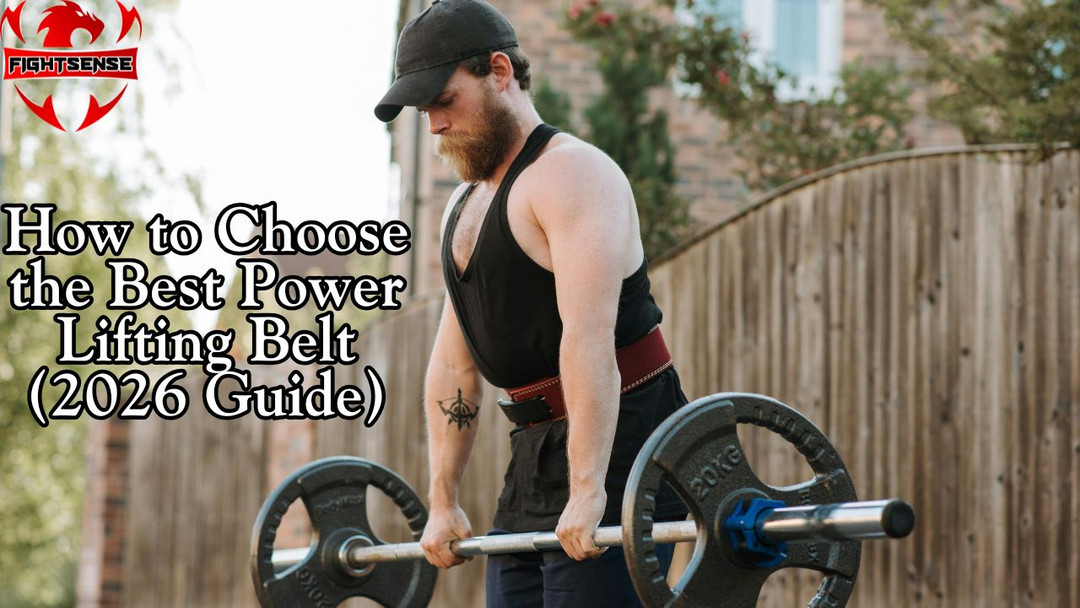
How to Choose the Best Power Lifting Belt (2026 Guide)
A power lifting belt is one of the most critical accessories for anyone serious about strength training. As you add weight training, it is just as crucial to have the right core support and stability as it is to develop strength. A good lifting belt can assist you to have better control of your big lifts like squats and deadlifts and give you more confidence under tough loads.
Choosing the appropriate PowerLifting Belt might be overwhelming with so many options out there. Leather, nylon or lever belt? How does it fit and do beginners actually need one? The guide has all you need to know to help you choose the ideal belt for your training style, experience level and fitness objectives.
Key Takeaways:
- Choose a Power Lifting Belt that matches your lifting style to get the right balance of support, comfort, and long-term performance.
- A lifting belt improves core stability and bracing, helping you stay more controlled during heavy compound exercises.
- Build proper lifting technique first, then add a belt to support your progress instead of relying on it from day one.
- The right fit is more important than the belt type, as a secure yet comfortable belt delivers the best results.
- Use your belt during heavy lifts only, allowing your core to develop naturally while getting extra support when it matters most.
What Is a Power Lifting Belt and Why Do Lifters Use It?
A Power lifting Belt is a training accessory that is used to support your core when performing heavy lifting workouts. It works by giving your abdominal muscles something to brace against . This helps you to develop stronger stability when executing activities such as squats, deadlifts, and heavy presses .
Think of a real-life gym scenario, where a lifter is trying to do a heavy squat, and it’s not just about getting the weight up. The body also has to be balanced and in control. That tense feeling around the core is kept in check by a supporting belt.
But a belt does not make you stronger. It works best when you already know how to lift and utilize it as a tool to develop.
How Does a Lifting Belt Actually Improve Your Training?
Many novices ask one simple question: “Does a belt really make me stronger”?
The answer is: it can help you perform better, but it doesn't replace training.
Correct Use of a Belt can help with:
- Better core stability with heavier lifts
- Improved confidence with higher weights
- More controlled motion
- Improved bracing technique
For example, a lifter in a heavy deadlift exercise needs to maintain a firm torso stance. The belt can give extra support, encouraging the lifter to concentrate on getting the movement done with better control.
The trick is to learn to use it properly, rather than to rely on it for every activity.
Which Type of Lifting Belt Should You Choose?
Not every belt is made for the same purpose. Different styles offer different levels of support, comfort, and flexibility.
Here are the most common options:
|
Belt Type |
Best For |
Support Level |
Comfort |
Durability |
|
Leather Belt |
Heavy lifting & advanced training |
High |
Medium |
Excellent |
|
Nylon Belt |
Beginners & general workouts |
Medium |
High |
Good |
|
Lever Belt |
Strength athletes & regular lifters |
High |
High |
Excellent |
What Is the Best Belt Material for Heavy Lifting?
The type of material used to make your lifting belt impacts the support it provides, how comfortable it is, and how long it will last.
Leather belts are a good choice for severe strength training, and nylon belts give more flexibility for general workouts. Select the material that best fits your training intensity and long-term goals.
What Belt Closure Should You Pick?
Lifting belts come with prong and lever closures. Lever belts are nice since they are secure and easy to adjust between sets . Prong belts are a little more forgiving in the sizing . You close on the right however you like and are trained.
What Belt Is Right For Your Training Level?
It depends on your experience level. New lifters tend to lean toward the lighter weight and adjustable belts, however more seasoned lifters tend to get the most benefit from a thicker leather or lever belt that adds a bit of stability to the heavy compound lifts.
How Do You Choose the Best Power Lifting Belt?
Before buying a belt, consider these important factors:
1. Does the Material Match Your Training Style?
Your training decides what material works best.
Heavy strength training usually requires stronger materials, while casual gym training may need more flexibility.
2. Is the belt of the right thickness?
A thicker belt usually gives more support for big lifts.
But the maximal thickness is not always the best choice. Comfort is important too.
The belt should support your body in such a way that it does not feel awkward to move.
3. Does it fit the size?
Choosing the wrong size is a common shopping blunder.
Your belt needs to:
- Feel confident about your waist
- Allow to breath properly
- Strengthen your core
- Do not restrict movement
A belt that fits properly should be supportive without being distracting.
Wearing a Lifting Belt When Should You?
You don't need to wear a belt for every exercise.
Most lifters use it during:
- Squat hard
- Deadlift
- Training with an emphasis on strength
- High intensity sets
For lighter exercises your body is typically able to handle the movement without additional assistance.
The point is to utilize the belt intelligently, not instinctively.
Power Lifting Belt – Can It Save You From Injury?
A belt can help your lifting technique, but it does not prevent injuries.
Safe training still relies on:
- Good style
- Choosing the right weight.
- Re-education
- Tune in to your body
A power lifting belt should be considered a performance tool that reinforces excellent practices.
What Not to Do When Buying a Belt?
Appearance is not the most crucial consideration many people buy a belt just because it appears professional.
Avoid picking a belt that:
- Doesn’t fit right
- Uncomfortable feels
- Made with cheap materials
- Does not align with your workout goals
- The right belt is the one that matches your style of training.
Why Is Selecting Quality Lifting Gear Crucial in 2026?
Contemporary fitness training isn’t about lifting larger weights. Lifters today care about performance, comfort and long-term improvement.
Good equipment allows you to train with more confidence and consistency.
As a quality business, Fightsense is focused on fitness accessories that assist strength training needs, offering weightlifting and lever belt alternatives for gym customers. s.
Does a Lifting Belt Help You Lift More Weight?
Many lifters report feeling more stable and confident with a belt on throughout heavy sets.
But as a reminder your strength comes from:
- Regular training
- Good nutrition
- Getting better
- Intelligent programming
The belt is only a support tool to help you perform at your best.
FAQs:
1. What is the optimal belt width for heavy lifting?
Most strength athletes will want to lean toward a 4-inch belt.
2. Can I use a lifting belt during cardio?
No, lifting belts are not intended for light resistance training.
3. How long does a leather lifting belt survive?
Properly cared for, a good leather belt will last for years.
4. Do I need to loosen my belt between sets?
Yes, you can loosen it when you’re between heavy sets to ease up on the comfort and breathing.
5. Can you adjust lever belts after buying them?
Yes, but you have to reset the lever while changing size.
6. How to make a new leather belt more comfortable?
Wearing your boots often will assist to break in the leather and make it more comfortable over time.
Final Thoughts:
The ideal lifting belt will rely on your experience level, training style, and your own personal comfort.
Beginners tend to prefer flexible choices while more experienced lifters tend to favor the stronger and more supportive versions.
When used correctly a quality Power lifting Belt can be a wonderful training partner.
Before you decide, focus on the fit, durability and comfort. Lifters may find trusted fitness brands like Fightsense, which provides weightlifting and lever belts to support their aims and let them exercise with confidence in 2026.
Disclaimer:
This article is for informational purposes only and should not replace professional fitness or medical advice. Always use proper lifting techniques and consult a qualified trainer if needed.