How to Use a Belt: Best Guide for Beginners in 2026
Introduction
A belt is one of the first things beginners want to understand after adding a weightlifting belt to their training routine. A belt does not magically increase strength; it helps create better stability and support when used with the right technique. Whether you use a traditional belt or a lever belt, learning how to use a belt with proper placement, tightness and bracing can improve your lifting experience. This guide covers the basics beginners need to avoid common mistakes and get better support during heavy training.
Quick Answer: Position, Tightness, Bracing
In short, how to use a belt comes down to three things: position it over your waist so your core can push against it, tighten it enough to feel secure but loose enough to breathe deeply, and brace hard against it before every rep. Get those three right and the belt does its job. Get any of them wrong and it becomes an expensive distraction. The rest of this guide explains each step in plain language.
Why Lifters Wear a Belt
Knowing how to use a belt starts with understanding what it actually does. The fundamental aim of a belt is to help you build pressure around your midsection. When your core presses against the belt it creates a more secure feeling around your waist, which helps with core stability, better control under heavy weights, more confidence, and a more solid brace.
The belt does not lift the weight for you — your muscles still do the hard work. It simply gives your body something firm to push against.
How to Use a Belt the Right Way
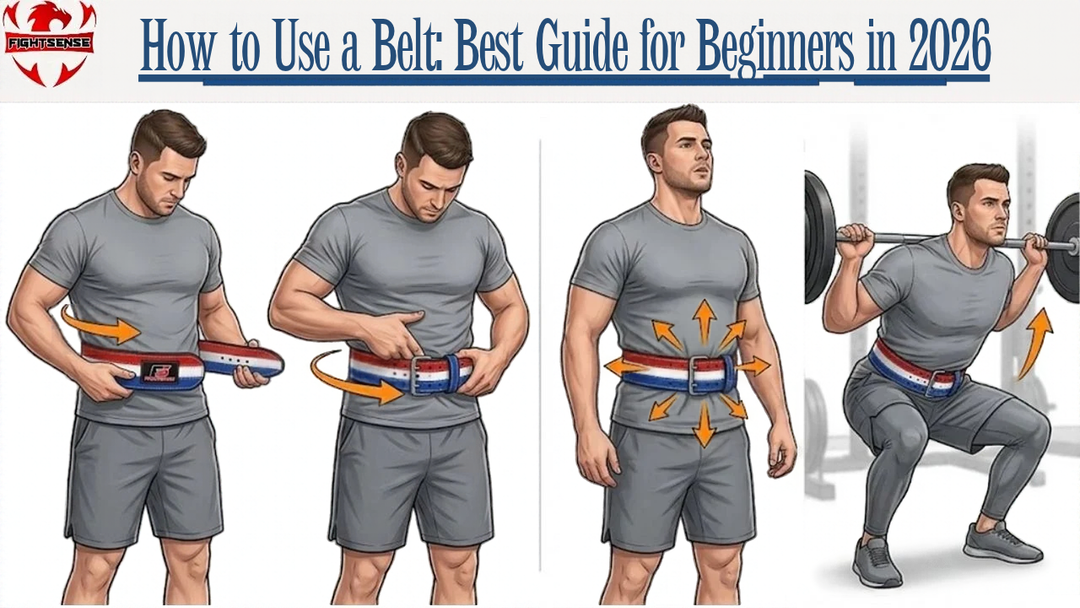
Choosing the perfect belt is one thing; wearing it correctly is another. A belt should sit snugly around your stomach, allowing you to generate correct pressure with your core. Do not put it too high near your ribs or too low near your hips, since that makes it uncomfortable to move.
To wear it properly:
- Position the belt so your stomach can push against it when you brace.
- Adjust the tightness: tighten enough to feel secure, but still be able to take a deep breath.
- Brace with your core: breathe deeply before you lift, squeeze your stomach and push your core out against the belt.
- Check your movement: try your lift position before you start the set. You want a belt that supports you, not one that restricts your movement.
If you are still deciding which belt to buy, the weightlifting belt buying guide covers where to find a quality belt, and the good weight lifting belt explains what separates a good belt from a cheap one.
Do You Really Need a Belt Yet?
A common beginner mistake is buying a belt too early and depending on it for every exercise. If you are still learning how to use a belt, keep it for your heaviest sets only. A lifting belt is most useful when you already understand basic lifting form and start training with heavier weights.
You may benefit from a belt during:
| Exercise | Why lifters use a belt |
|---|---|
| Squats | Helps maintain core pressure and stability |
| Deadlifts | Supports bracing during heavy pulls |
| Overhead press | Helps keep the torso stable |
| Heavy rows | Can provide extra trunk support |
For exercises like curls, machines or lighter movements, a belt is usually not necessary. The goal is not to wear a belt all the time. The goal is to use it when it actually helps your training. A Fightsense premium lever belt is worth considering once your weights climb, since its locked-in fit suits heavy sets. The how to wear a lifting belt guide covers the same wearing basics in more detail.
Where Should a Belt Be Positioned?
Positioning is the part of how to use a belt that beginners get wrong most often. A belt should sit somewhere along your waist so your core can push against it. It should not sit right beneath your ribs, rest on your hip bones, or stop you from moving.
The correct position may feel a little different depending on your body shape and the exercise you are doing. Many lifters wear it slightly higher for squats, where strong abdominal pressure matters most, and slightly lower for deadlifts, so they can reach the bar comfortably. A good belt position should help your movement, not restrict it. For lever belts specifically, the lever belt guide explains how the closure changes the fit.
Are You Wearing It Too Tight?
Tighter is not always better. If you wear the belt excessively tight, you may find it difficult to breathe correctly or generate the pressure needed for a powerful brace. A belt should feel secure at your waist, let you breathe deep, let your belly expand into it, and stay put when you move.
Do this basic test: after you tighten your belt, breathe deeply. If you can expand your stomach a little and press into the belt, it is generally a good fit. If you cannot breathe easily, loosen it a little. The gym belt guide covers how different belt styles fit different lifters.
Are You Bracing the Right Way?
Many beginners get this wrong. A belt does not create support on its own — your body has to cooperate with it. Bracing is the skill that makes how to use belt work at all. Before the rep, take a big breath into your belly, not your chest. Push your stomach out in all directions against the belt, hold that pressure, then lift. Exhale only after the hardest part of the rep is done.
Practice this with lighter weights first: the brace is a skill, and the belt is only a tool that makes the skill easier to feel. On heavy pulls, a secure hold matters too — the deadlift strap guide explains when straps help and when they hide a weak hold.
Common Mistakes to Avoid
The most common mistakes are wearing the belt for every set including warm-ups, wearing it so tight you cannot breathe, placing it too high or too low, and bracing into your chest instead of your belly. Another mistake is buying a belt before learning basic form: a belt cannot fix a bad squat or a rounded deadlift, and relying on it too early hides weak core muscles instead of building them. Train your core without a belt on lighter days, and save the belt for the sets that genuinely need it.
FAQs
What is the biggest mistake when learning how to use a belt?
Wearing it too tight and for every set. A belt should support heavy lifts, not replace core training or restrict your breathing.
When should a beginner start using a belt?
Once basic lifting form is solid and weights get heavy — usually after several months of consistent training, not in the first weeks.
Should the belt be tight or loose?
Snug, not crushing. You should be able to take a deep belly breath and push your stomach into the belt.
Does a belt replace core training?
No. A belt supports bracing, but your core muscles still need direct training on lighter, belt-free sets.
Lever belt or prong buckle for a beginner?
A prong buckle is more forgiving and easier to adjust between sets; a lever belt gives a faster, locked-in fit for heavy work. A premium lever belt is a good step up once your weights climb.
Final Verdict
In the end, how to use a belt well is simple: position it right, tighten it sensibly, brace hard against it, and save it for the heavy sets that genuinely need support. Learn the brace first with light weights, keep training your core without a belt, and let the belt do what it is made for — helping you feel solid and controlled under a heavy bar. Do that, and your squats and deadlifts will feel stronger within weeks.
Disclaimer:
This article is for informational purposes only and is not medical advice. Consult a healthcare professional before starting any new exercise programme, especially if you have a back, core or abdominal injury.