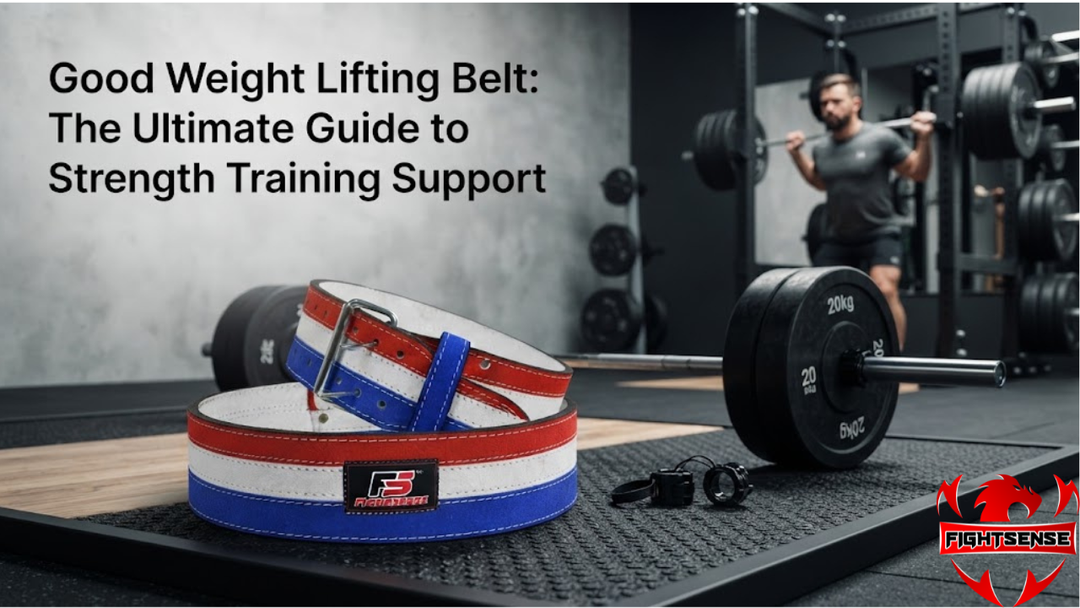
Good Weight Lifting Belt: The Ultimate Guide to Strength Training Support
A Good Weight Lifting Belt is often the single piece of equipment missing from a stagnant heavy lifting routine. Many lifters focus entirely on increasing weight while overlooking the foundational support their body needs to perform safely and effectively.
With countless options on the market, choosing the right one can feel overwhelming. Let’s explore how the right gear can improve core stability, boost lifting confidence, and support your long-term strength training journey.
Why Do Serious Lifters Consider a Good Weight Lifting Belt Essential?
A Good Weight Lifting Belt is an important supporting piece of training equipment that helps lifters maintain superior core stability throughout heavy compound actions. It fits tightly to your waist, giving your abdominal muscles something to push against. This makes the pressure inside your abdomen much higher when you are lifting big things.
Squat, deadlift, and overhead press are big exercises that impose a lot of stress on the core and spine. The lifting belts help you feel more confident when lifting difficult weights and improve stability and control.
A belt is never a replacement for poor technique. It’s meant to enhance good form, smart training programs, and regular practice.
Is Your Belt Helping Your Lifts or Holding You Back?
A badly selected or ill-fitting lifting belt might quietly hold you back. Many lifters only look at the price tags and forget about important things like material makeup, width, and the amount of support they offer. These things directly affect their comfort and how well they work.
The perfect belt supports your core, yet does not hinder mobility or proper breathing. A good fit with a gym training belts keeps you steady, enhances your movement control, and helps you train confidently toward your strength goals.
Choosing the Right Belt: Understanding Your Options
Different types of training need different equipment configurations. Some athletes want the most rigid support while others prefer flexibility and swift transitions.
|
Belt Type |
Best For |
Material |
Level of Support |
|
Leather Lever / Prong Belt |
Powerlifting, Heavy Squats & Deadlifts |
Genuine Leather |
High / Rigid |
|
Nylon Self-Locking Belt |
CrossFit, Functional Fitness, Olympic Lifts |
Heavy-duty Nylon |
Medium / Flexible |
|
Traditional Nylon Belt |
General Fitness, Hypertrophy Workouts |
Nylon / Fabric |
Moderate |
Most strength athletes like leather belts since they don’t lose their shape under heavy weights, whereas functional fitness athletes who are more mobile prefer nylon options to minimize constriction.
Self-Locking Weightlifting Belts: Modern Convenience Meets Support
This self-locking belt is designed for lifters who need quick adjustments, dependable support, and a secure fit during high-intensity, fast-paced sessions. Instead of the standard prong buckles, a self-locking system allows you to effortlessly tighten or loosen the belt between sets without breaking your training flow.
- Quick Locking System: Allows rapid tightening and loosening between heavy-duty sets.
- Secure Fit: Holds the belt securely in position throughout rigorous multi-directional movements.
- Better Core Support: Helps keep correct bracing during big compound lifts.
- Easy Adjustments: Saves precious time when changing between different exercises.
- Comfortable Design: Provides structural support without restricting natural spinal movement.
If you are on the hunt for a multi-purpose training partner, selecting a Good Weight Lifting Belt will make it easy to transition from quick motions.
Why Proper Core Stability Outweighs Raw Strength
Strength is so much more than just sheer muscle force; it’s about control and stability. A good core allows you to move force through your kinetic chain efficiently and maintain safe motions under big loads.
A gym training belt helps you develop ideal abdominal pressure so that you can use your strength efficiently. The belt does not make you strong; it offers the perfect setting for you to be at your best.
How to Choose the Right Size Without Making a Costly Mistake
Choosing a lifting belt is not the same as shopping for jeans. A belt that fits your waist for normal wear may not do the same when you’re strength training.
- Measure for measure: Measure around your waist where the belt will actually be worn (typically just above your hips) using a flexible tape measure.
- Check sizing charts: Never rely on general garment sizes, as each manufacturer has particular sizing requirements.
- Consider clothing: Imagine if you normally train in a t-shirt, a bulky hoodie, or a lifting suit.
- Test the fit: The belt should fit snugly and firmly, yet should allow you to take a deep, diaphragmatic breath without pinching or creating pain.
Purchase the right size weightlifting belt so that when you finally buy it, you don’t overtighten it.
Common Mistakes to Avoid When Using a Lifting Belt
Even experienced gym rats fall into routines that can compromise the efficiency of their lifting gear:
- The belt on every single exercise no matter how intense.
- Buying the wrong width or size for your body type.
- Tightening the belt too much so that he could not breathe properly.
- Ignoring basic breathing techniques (e.g. Valsalva manoeuvre).
- Using the belt as a crutch, not actively improving core strength.
- Buying purely on price instead of build quality and durability.
Avoid these typical mistakes, and you will make sure that your weightlifting belt gets the most performance benefit every time you use it.
Level Up Your Training Gear
Serious lifters know that the quality of the equipment they use has a direct impact on their comfort, confidence, and performance over the long run. Premium gear is not a substitute for hard work, but a better training atmosphere.
Companies like FightSense produce high-performance training equipment such as sturdy weightlifting belts and lever belts designed for maximal support, comfort, and lifespan for lifters of all levels. [Find the Right Fit with FightSense Heavy-Duty Lifting Belts] for your strength objectives.
FAQs:
1. Does a support belt lead to weakening of core abdominal muscles over time?
No, applied correctly under large loads, it gives an outside surface that actually aids in recruiting core muscles more effectively without atrophy.
2. How tightly should a heavy lifting belt be tied?
It should be tight enough to press firmly against the abdomen while breathing in deeply but loose enough to allow normal breathing and not pinch.
3. What is the thickness difference between a 10mm and a 13mm belt?
A 10mm belt will provide a good blend of support and mobility, while a 13mm belt will offer maximum stiffness for advanced, heavy-load powerlifting.
4. When to move from nylon to leather for a lifter?
It usually occurs when training is aimed only at powerlifting at maximum intensity, and the focus is on a stable spine rather than dynamic flexibility.
5. Can I wear a belt for upper body pulling exercises?
Yes. It helps to maintain the lumbar spine during strong, bent-over pulling actions such as barbell rows, where lower back stress is considerable. Ting.
Final thought:
The proper Good Weight Lifting Belt is a matter of matching your individual training method with the structural support your body needs. Whether you go for a hard leather design for heavy weightlifting or a flexible self-locking nylon alternative for dynamic workouts, a quality belt is a tool for improved control and confidence. Good form, consistent training routines, and smart gear choices are the keys to a long-term strength journey.
Disclaimer:
The information in this article is intended for educational purposes only. Always prioritize proper form, safe training practices, and professional guidance when undertaking heavy resistance training.