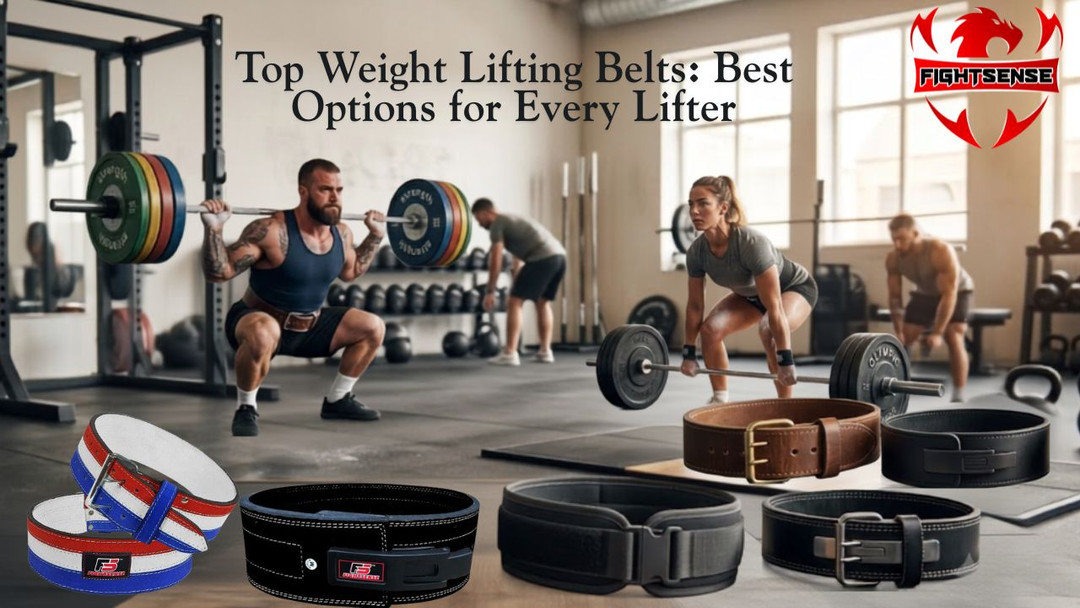
Top weight lifting belts can improve stability, support, and confidence during heavy lifts—but not every belt delivers the same performance. With leather, nylon, lever, and other options available, choosing the right one can be challenging.
This guide explains everything needed to make the right choice, including the different types of lifting belts, their key features, benefits, common buying mistakes, and how to select the best belt for individual training goals.
Key Takeaways:
- The right lifting belt is more than gym gear — it’s a performance tool that helps you lift with better control, confidence, and stability.
- A perfect belt depends on your training style, not just popularity — heavy lifters, beginners, and daily gym users all need different performance levels.
- Material makes the difference — leather offers long-term strength, while nylon and lever designs provide flexibility and convenience for different workouts.
- Smart lifters choose support over hype — the best belt is the one that improves your technique without replacing proper training habits.
What Is a Weight Lifting Belt?
A weight lifting belt is a workout gear that provides support around your core and lower back during heavy lifting sessions.
A belt helps you to stabilize by allowing you to brace your core better.
A well-fitting belt can help with:
One thing to recognize is that a belt is not a shortcut. Good technique, good training and patience are still the source of strength.
Why Do Lifters Use Weight Lifting Belts?
When you are lifting heavy, your body needs to be solid when you are generating force. Your core is a big player in controlling movement and protecting your posture.
A decent belt will provide extra support around your waist, helping you build stronger bracing during strenuous movements.
Reasons people wear belts:
1. Improved Support in Heavy Exercises
Exercises such as squats and deadlifts demand full-body coordination. You can feel more secure when carrying heavy loads using a belt.
2. Higher confidence in training
Many lifters get courage to attack tough sets using a belt.
3. Increased Focus
If your body feels steady then you may focus more on technique, breathing and completing the task correctly.
Top Weight Lifting Belts To Consider
The best weight lifting belt out of the top ones relies on what type of training you undertake.
Here are some categories that can help you make the decision easier.
1. Best Overall: Lifting Belt Leather
A leather belt is frequently viewed as the ideal all-around choice because it lasts, it supports and it performs over the long haul.
Excellent for:
- Weightlifting
- Squats, heavy
- Dumbbell Deadlifts
- Lifters with experience
2. Best Lever Belt: Quick Adjustment & Strong Support
A lever belt is ideal for athletes who want a secure fit without spending time adjusting buckles between sets.
Benefits include:
- Fast locking system
- Stable fit
- Strong support
- Easy handling
Fightsense offers fitness products including lever belts designed for lifters who want a balance of performance, comfort, and durability.
3. Best Beginner Belt: Comfort Focused
Beginners should focus on comfort and learning proper lifting technique.
A good beginner belt should:
- Feel comfortable
- Allow movement
- Provide moderate support
- Be easy to adjust
4. Best Heavy Lifting Belt: Maximum Stability
For athletes regularly training with heavier weights, a stronger belt design can provide the extra support needed during intense sessions.
Compare the Best Weight Lifting Belt Types
|
Belt Type
|
Best For
|
Support Level
|
Comfort
|
Durability
|
|
Leather Belt
|
Heavy lifting & powerlifting
|
High
|
Medium
|
Excellent
|
|
Nylon Belt
|
Beginners & general workouts
|
Medium
|
High
|
Good
|
|
Lever Belt
|
Serious lifters
|
High
|
High
|
Excellent
|
|
Flexible Training Belt
|
Daily gym sessions
|
Medium
|
Excellent
|
Good
|
Are Lifting Belts Worth the Cost?
Yes, for many athletes. A quality belt can boost your confidence and provide you a little extra support during those tough workouts.
Knowing when to use it is the key.
If you are still learning basic moves, concentrate on technique. If you are moving into heavier training a belt might become a crucial element of your regimen.
The best weightlifting belts are not necessarily the most expensive, but the ones that fit your needs.
Fightsense: Trusted Support for Every Lift
Fightsense offers a weightlifting and lever weight lifting belts designed for strength training, powerlifting, and everyday gym sessions. Each belt is built with quality materials to provide reliable support, comfort, and a secure fit during demanding workouts.
Whether training with heavy squats, deadlifts, or other compound exercises, Fightsense belts help lifters maintain better core stability and proper form. With a balance of durability, performance, and comfort, these belts are designed to support beginners as well as experienced athletes in achieving their strength training goals.