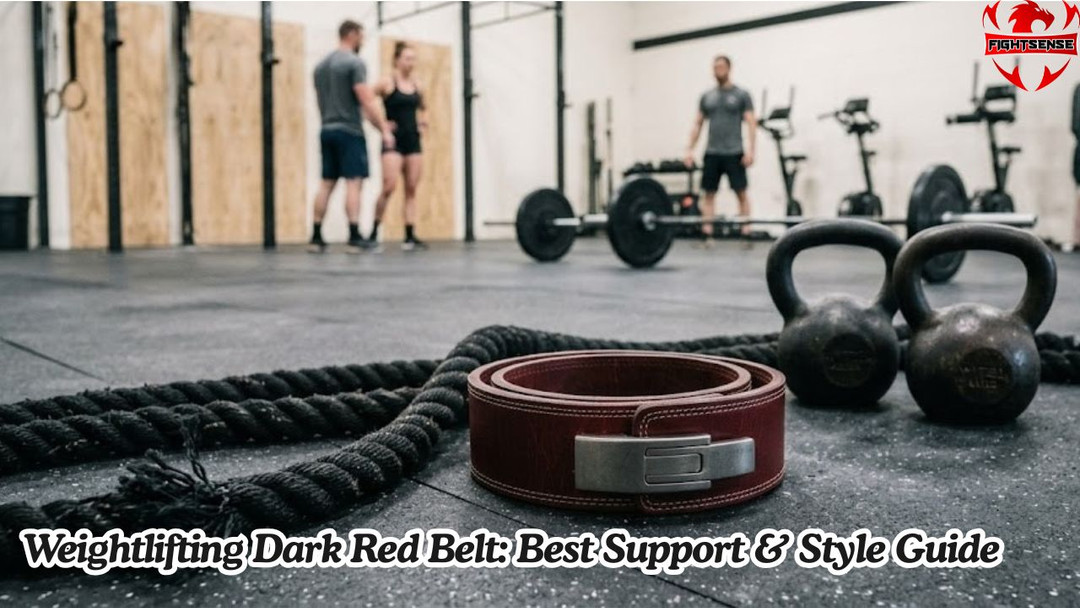
Weightlifting Dark Red Belt: Best Support & Style Guide
Looking to elevate your lifting performance without sacrificing aesthetic appeal? A high-quality weightlifting dark red belt offers the ultimate blend of rigid lumbar stabilization and standout gym style. Whether you are grinding through heavy squats or setting a new deadlift personal record, having the right waist support makes all the difference. In this guide, we break down everything you need to know about choosing, using, and maintaining a premium dark red lifting belt to maximize your training safety and strength output.
Why Choose a Dark Red Belt for Lifting?
Aesthetics matter in modern strength training. While classic black or raw leather belts are common, a dark red shade—often available in deep crimson suede or rich burgundy genuine leather—adds a sophisticated, powerful look to your powerlifting gear.
Beyond visual appeal, dark red leather belts are typically constructed from heavy-duty hide designed to withstand massive intra-abdominal pressure. They hide scuffs and chalk dust remarkably well compared to lighter-colored gear, ensuring your equipment looks pristine even after years of intense training.
Key Features of a High-Performance Weightlifting Belt
Selecting the right support gear requires looking closely at material integrity, thickness, and locking mechanisms.
1. Material & Leather Grade
Top-tier powerlifting belts utilize genuine cowhide or thick suede linings. Premium leather ensures uniform firmness along your lower back and abdomen, preventing the belt from folding under high tonnage.
2. Uniform Width vs. Tapered Design
Powerlifters generally prefer a uniform 4-inch wide belt all the way around, providing equal surface area for the abs to push against. Olympic weightlifters often choose a tapered front for greater flexibility during dynamic movements like snatches and cleans.
3. Structural Thickness (10mm vs. 13mm)
- 10mm Thickness: Highly versatile, faster break-in period, ideal for general strength training and bodybuilders.
- 13mm Thickness: Maximum rigidity, engineered specifically for competitive powerlifters lifting extreme weights.
When choosing a dark red belt for heavy lifting, opting for reinforced stitching and high-grade leather—such as the heavy-duty lever belts engineered by FightSense—ensures the belt maintains spinal alignment during maximum effort squats.
Lever Belts vs. Prong Belts: Which Is Right for You?
Understanding closure systems helps you select the best mechanism for your training rhythm.
Lever Mechanism
Lever belts allow you to lock in maximum tightness instantly with a single movement. They are ideal for powerlifters who need extreme compression right before a lift and quick release immediately after re-racking the barbell.
Prong Buckle System
Single or double-prong belts offer adjustable tightness without needing a screwdriver. They are well-suited for athletes whose waist size fluctuates or who prefer different tightness levels for squats versus deadlifts.
Comparison: Lifting Belt Mechanisms
|
Feature |
Lever Buckle Belt |
Single Prong Belt |
Double Prong Belt |
|
Ease of Tightening |
Instant (One flip) |
Moderate Effort |
Higher Effort |
|
Adjustability |
Requires Screwdriver |
Quick Pin Adjust |
Quick Pin Adjust |
|
Best For |
Powerlifting & Max Effort |
Traditional Lifters |
|
|
Durability |
Ultra-Heavy-Duty Steel |
High-Grade Steel |
High-Grade Steel |
Pros and Cons of Dark Red Leather Lifting Belts
Pros
- Premium, eye-catching colorway that stands out in any gym.
- Excellent resistance to visible dirt, sweat marks, and chalk buildup.
- Superior core stability for heavy compound movements.
- Long lifespan when crafted with genuine leather and reinforced stitching.
Cons
- Requires a break-in period to become comfortable against the ribs and hips.
- Slightly higher initial investment compared to cheap nylon belts.
How to Properly Use a Weightlifting Belt for Maximum Intra-Abdominal Pressure
Using a belt effectively requires proper bracing technique, not just strapping it tightly around your waist.
1. Position the Belt Correctly:
Place the belt around your midsection, resting just above your hip bones. Adjust the angle slightly up or down to ensure it does not dig uncomfortably into your ribs during deep hip flexion.
2. Set the Tightness:
Tighten the belt so that it feels snug, but leave just enough space to take a full 360-degree breath into your belly. It should not restrict your breathing before you initiate the movement.
3. Execute the Valsalva Maneuver:
Take a deep diaphragmatic breath into your stomach, pushing your abdominal wall outward forcefully against the inner wall of the belt. Lock the air in your core.
4. Initiate the Lift:
Maintain continuous outward pressure against the belt throughout the entire concentric and eccentric phases of your squat or deadlift. Release your breath only after completing the rep.
Expert Maintenance & Care Tips
To keep your dark red leather belt in peak condition, follow these simple care practices:
- Air Dry After Workouts: Never leave a sweat-dampened belt sealed in an airtight gym bag. Let it air dry naturally at room temperature.
- Condition the Outer Leather: Apply a light leather conditioner every 6–12 months to prevent cracking and keep the dark red dye rich and vibrant.
- Check Lever Screws Regularly: If using a lever mechanism, periodically tighten the backplate screws using a screwdriver to ensure full closure security.
Common Mistakes to Avoid When Buying or Wearing a Belt
- Sizing Based on Pant Size: Always measure your actual waist around the navel with a soft tape measure while bracing. Pant sizes differ significantly from true waist measurements.
- Wearing the Belt Too Loose: A loose belt offers zero mechanical leverage for intra-abdominal bracing.
- Relying on a Belt for Poor Form: A belt is a supportive tool to enhance core stability, not a replacement for proper lifting mechanics and mobility.
FAQs
Does a dark red belt provide the same support as a black belt?
Yes, the color dye does not affect the structural integrity or thickness of the leather.
How to wear a lifting belt for every exercise in the gym?
No, lifting belts are best reserved for heavy compound movements like squats, deadlifts, overhead presses, and heavy rows.
Are lever belts legal in official powerlifting competitions?
Most 10mm and 13mm leather lever belts meeting 4-inch width standards are approved across powerlifting federations, provided they meet specific spec guidelines.
How tight should a weightlifting belt be?
It should be tight enough that you can forcefully brace your abdominal wall against it, but not so tight that you cannot take a full expansion breath.
Can I adjust a lever belt between different lifts?
Yes, but adjusting a lever belt requires loosening two screws on the backplate to shift the lever position on the pre-punched holes.
Conclusion:
A weightlifting dark red belt is an exceptional investment for strength athletes who want uncompromising lumbar support matched with a high-end, stylish design. By choosing the right thickness, maintaining proper bracing technique, and taking care of the leather, your belt will remain a durable training partner for years of heavy lifts. Upgrade your lifting setup, protect your spine, and approach every heavy set with complete confidence.
Disclaimer:
This blog is for broad, informative purposes. Before including any accessories in your exercise program, always see a certified trainer or healthcare provider.