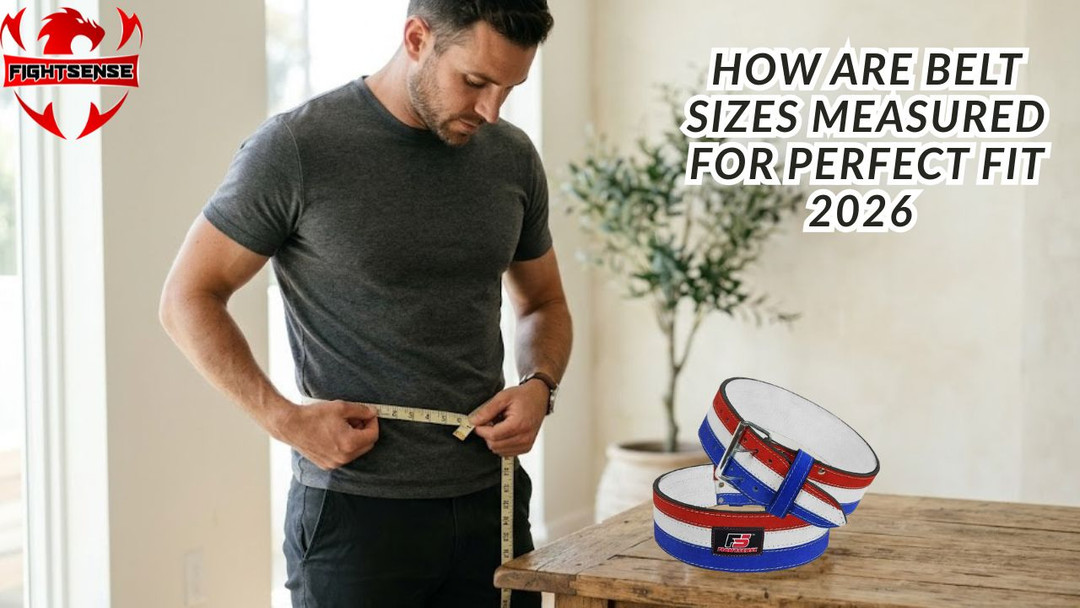
How Are Belt Sizes Measured for Perfect Fit 2026
You order a belt online expecting the perfect fit, but when it arrives, it feels completely wrong—too tight or too loose.
This is a frustrating problem that most people face again and again without knowing the real reason behind it.
The truth is simple—most buyers don’t actually understand how belt sizing works, and that one gap changes everything.
Introduction:
How Are Belt Sizes Measured Belt sizing is one of the most overlooked parts of fashion shopping, yet it directly affects comfort, style, and confidence. In simple terms, belt sizing refers to how a belt is measured from the buckle to the point that ensures a proper fit around your waist.
In 2026, this has become even more important because online shopping dominates fashion retail, and incorrect sizing leads to more returns and customer dissatisfaction. Even fitness-focused brands like Fightsense also follow precise sizing standards to ensure their belts deliver the right fit and user comfort.
Key Highlights:
- Measure your waist first, then add two inches for the ideal belt fit.
- Always consider the belt style when selecting the size.
- Check brand-specific size charts to ensure an accurate and reliable fit.
- For weightlifting belts, choose a snug fit for proper core support and stability.
- Avoid the common mistake of selecting a belt based only on pant size.
How are Belt Sizes Measured? Understanding the Basics:
Belt sizes vary. Though there is variation in the sizing system, most belts are based on waist measurement. Still, different brands and varieties of belts have different sizing. Weightlifting belts or casual belts, for instance, may have distinct sizing standards.
Usually measuring either inches or centimetres, belts may also be measured on a "small, medium, or large" scale.
Main Elements Affecting Belt Sizes:
- Waist Size: The most fundamental metric for belts is the waist circumference. The main indicator of belt size measurement is this one.
- Belt Style: Casual, formal, and weightlifting belts have distinct appropriate parameters.
- Adjustment Holes: Many belts have 5 to 7 adjustment holes; thus, depending on your waist measurement, the sizing is more adjustable.
How to Measured Size Belt: A Step-by-Step Guide
Making sure belt fits correctly and performs its intended use depends on knowing how to size it. This is a basic, methodical guide to enable precise how to belt size:
Assess your waist:
Usually just above your hips, find your natural waistline by measuring around with a flexible tape measure. Make sure you measure while relaxed yet straight.
Mark two inches on your waist measurement:
Usually, belt sizes are two inches bigger than your actual waist measurement. If your waist is 34 inches, for instance, a 36-inch belt will probably fit you best.
Find Your Belt Size:
Usually, the figure you get after adding two inches is your belt size. Your belt will be 36 inches, for example, if your waist is 34 inches. This approach guarantees a good fit with enough of room for corrections.
Why Is Belt Sizing So Important?
Not just for comfort, but also for the belt's operation, which depends on knowing correctly how are belt sizes measured? While a belt too loose won't provide the support or hold you need, especially with weightlifting belts, a belt that is too tight might create discomfort and limit movement.
A belt that fits just right will improve your whole look for formal events; in casual settings, a well-sized belt guarantees comfort all day long. Regarding weightlifting belts, performance depends much more on the size chosen since it guarantees the best core stability during lifts and helps to prevent back problems.
Finding the Right Belt Size:
Getting the correct belt fit is essential, but sizes can vary by type, manufacturer, and design. Understanding how to measure belt sizes ensures comfort and functionality, whether for a men’s belt, leather belt, weightlifting belt, or other styles.
| Measurement | Characteristics |
|---|---|
| Waist Measurement | Measure around your natural waistline, usually just above the hips. Add two inches for a comfortable fit. |
| Belt Measure | This is the distance from the end of the buckle to the centre hole, allowing for adjustments. |
| Inches or CM | Typically, belt measurements are in inches (US) or centimetres (global use). |
| Volume of Holes | Belts typically have 5-7 holes. Ensure the belt has enough holes to fit your waist comfortably. |
Whether you are choosing the ideal fit for formal or informal wear, knowing how belt sizes are measured will help guarantee that.
Common Mistakes in Belt Sizing:
When figuring out belt sizing for men or any belt type, several common mistakes can lead to the wrong fit:
Ignoring Waist Measurement:
Always measure your actual waist and add a few inches. Don’t rely only on trouser size, as it often leads to incorrect fitting.
Not Considering Belt Type:
Dress belts usually require a more precise fit, while casual or weightlifting belts may need slight flexibility for comfort and movement.
Overlooking Brand Variations:
Different brands follow different sizing standards, so always check the specific size chart before buying.
Choosing an Excessively Long Belt:
While a bit of extra length is normal, too much can look awkward and feel uncomfortable. If needed, excess length can be trimmed professionally.
Final Thoughts:
Knowing How Are Belt Sizes Measured is key for any type of belt—casual, formal, or weightlifting. Measure your waist, add 2 inches, and consider the belt style for the best fit. Men’s and gym belts should fit snugly for comfort and support. Following these simple steps ensures your belt feels right and performs well.
Even performance-focused fitness brands like Fightsense design their gym belts to stay well-fitted, ensuring stable support and comfort during training sessions.
FAQs:
1. How does belt material affect sizing and fit?
Leather belts may stretch slightly over time, while synthetic belts maintain their original size. This means initial fitting should be slightly snug for leather options to ensure long-term comfort.
2. How do I choose a belt size if I am between two sizes?
If you're between sizes, always choose the larger one. This ensures better adjustability and avoids discomfort from tight fitting.
3. Does belt width impact sizing accuracy?
Yes. Wider belts, such as gym or heavy-duty belts, tend to feel tighter compared to slim formal belts even at the same size.
4. Why is understanding How Are Belt Sizes Measured Important for buyers?
Understanding How Are Belt Sizes Measured helps ensure you select the correct fit based on waist measurement, belt type, and brand variation. This avoids common sizing mistakes and improves comfort.
5. Can incorrect belt size cause any issues?
Yes. A too-tight belt can restrict movement, while a loose belt fails to provide proper support and may wear out faster.
Disclaimer:
This blog’s content is meant for educational use only. Always visit a specialist or refer to the size guide of the particular brand to understand How Are Belt Sizes Measured correctly and choose the right belt fit.