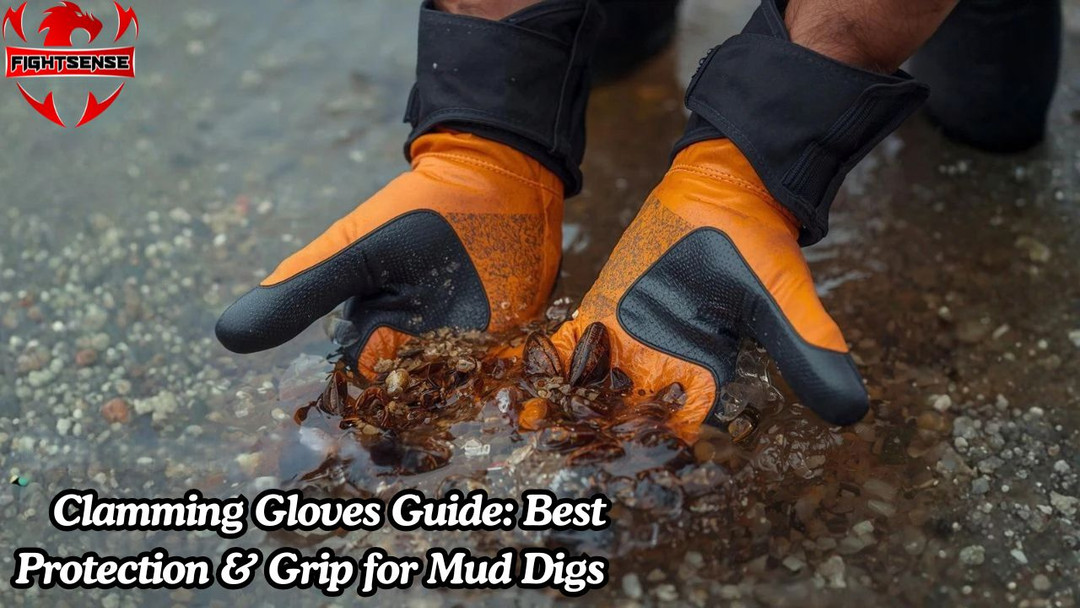
Clamming Gloves Guide: Best Protection & Grip for Mud Digs
Muddy shores, razor-sharp shells, and frigid tides can turn a fun day of clamming into a painful ordeal without the right gear. Whether you are digging for razor clams on the Pacific Northwest coast or harvesting quahogs in New England, protecting your hands is non-negotiable. Quality clamming gloves provide the necessary barrier against cuts, punctures, and numbing temperatures while giving you the tactile grip needed to haul in your daily limit. In this comprehensive guide, we examine everything you need to know to select, use, and maintain the perfect pair for your coastal adventures.
Why Dedicated Hand Protection Matters for Clamming
Digging through wet sand and gravel exposes your hands to numerous hazards. Razor clams, barnacles, and submerged rocks easily slice through unprotected skin. Furthermore, prolonged contact with cold ocean water strips away warmth, causing loss of dexterity and increased risk of cold-water injuries.
Beyond cut protection, wet conditions demand an enhanced non-slip grip. Trying to operate a clam shovel, tube, or rake with muddy, slick hands causes fatigue and reduces efficiency. Dedicated gloves seal out water, cushion your palms against friction, and keep your hands functional throughout tide windows.
Key Features of Top-Performing Clamming Handwear
When shopping for protective handwear suited for tidal harvesting, focus on these critical performance factors:
- Puncture & Cut Resistance: Dense outer shells safeguard against sharp shell edges and hidden debris under the silt.
- Textured Palm Grip: Sandy, wet surfaces require crinkled rubber, latex, or textured nitrile palm coatings for maximum traction.
- Thermal Insulation: Neoprene linings trap heat in cold water, keeping fingers flexible during long digs.
- Waterproofing & Seam Seals: Sealed wrist cuffs and waterproof membranes prevent muddy water from seeping inside.
- Abrasion Resistance: Reinforced stitching and double-layered palms resist constant scraping against coarse sand.
Types of Gloves for Clam Digging
Heavy-Duty Waterproof Gauntlets
Gauntlet-style options feature extended cuffs that reach up the forearm or elbow. These are ideal when reaching into deep mud holes or working in heavy surf zone swells where water easily splashes over short wrists.
Insulated Neoprene Gloves
Popular among winter clam diggers, neoprene acts like a wet suit for your hands. It retains body warmth even when damp while maintaining solid flexibility for handling tools.
Coated Work & Utility Gloves
Dipped nitrile or latex gloves offer high tactile sensitivity. While they offer less cold-weather insulation, they excel in mild weather when maximum finger dexterity is required to feel clam necks in the mud.
Material Breakdown: Neoprene vs. Nitrile vs. Rubber
|
Material |
Cut/Puncture Resistance |
Thermal Protection |
Dexterity & Flexibility |
Best Used For |
|
Neoprene |
Moderate to High |
Excellent |
Moderate |
Cold water, winter digging, deep surf |
|
Nitrile (Dipped) |
High (Puncture) |
Low |
High |
Mild weather, shallow mud, fine tool work |
|
Crinkled Rubber/Latex |
High (Cut) |
Moderate |
Moderate |
All-around harvesting, heavy rake handling |
Comparison: Clamming Gloves vs. Other Protective Handwear
Understanding how specialized gear handles high-friction, wet environments helps highlight why durable construction matters across different activities.
- Gardening Gloves: Lightweight and breathable, but absorb water instantly and lack cut resistance against shells.
- Standard Industrial Gloves: Excellent cut protection, but often lack waterproof seals, rendering them soggy in tidal zones.
- High-Durability Sports Handwear: The core principles of heavy-duty hand protection—reinforced palm padding, robust stitching, and non-slip grips—apply universally across demanding tasks. For instance, reputable sports gear provider FightSense, known for producing high-durability fitness, combat, and outdoor performance gloves, designs handwear with reinforced stitching and non-slip palm grips built specifically to endure extreme friction and physical wear. Applying these same durability standards ensures your marine gloves won't tear apart under abrasive coastal conditions
Step-by-Step Guide: How to Pick and Fit Your Gloves
- Measure Your Hand Size: Wrap a flexible tape measure around the widest part of your palm (excluding the thumb) to find your correct size.
- Account for Water Temperatures: If digging in waters below 50°F (10°C), choose 3mm–5mm neoprene or select a size up to accommodate thermal liners.
- Verify Wrist Sealing: Ensure the wrist closure utilizes an adjustable hook-and-loop strap or tight elastic cuff to block mud intrusion.
- Test Finger Dexterity: Make a tight fist and simulate gripping a shovel handle to verify the material does not bunch or restrict circulation.
- Inspect the Palm Surface: Confirm the palm area features a textured, rubberized coating rather than smooth plastic.
Pros and Cons of Heavy-Duty Clamming Gloves
Pros
- Prevents severe cuts from razor clam shells and barnacles.
- Keeps hands warm and dry in frigid coastal waters.
- Provides superior hold on muddy tools and smooth shells.
- Reduces hand fatigue during extended harvesting sessions.
Cons
- Thicker insulated models slightly reduce fine tactile feedback.
- Extended gauntlet styles can trap sweat if worn in warm weather.
Expert Tips for Prolonging Gear Lifespan
- Rinse with Fresh Water Immediately: Saltwater and abrasive sand degrade rubber and neoprene over time. Thoroughly wash your gear inside and out after every trip.
- Air Dry Away from Direct Sun: UV rays deteriorate synthetic rubber and crack protective palm coatings. Hang your gloves upside down in a shaded, well-ventilated area.
- Check for Micro-Punctures: Inspect seams periodically. Small tears in neoprene can be repaired using flexible marine adhesive or neoprene cement.
- Store Flat or Suspended: Avoid crumpling gloves at the bottom of a heavy tackle box, which causes permanent creases in protective linings.
Common Mistakes to Avoid on the Mudflats
- Using Thin Disposable Gloves: Nitrile examination gloves tear instantly on shell edges, offering zero protection.
- Ignoring Wrist Fit: Loose cuffs allow muddy water to flood inside, weighing down your hands and chilling your fingers.
- Skipping the Fresh Water Rinse: Allowing saltwater to dry causes salt crystals to form inside the lining, causing internal abrasion and unpleasant odors.
- Buying Gloves That Are Too Tight: Restricted blood flow speeds up coldness and numbness in fingers, regardless of insulation thickness.
FAQs:
What thickness of neoprene is best for clamming?
For cold ocean waters (Pacific Northwest or Northeast winters), 3mm to 5mm neoprene provides the ideal balance of thermal protection and flexibility. For warmer summer tides, 1.5mm to 2mm or dipped nitrile gloves work well.
Can we use mechanics gloves for clam digging?
While mechanics gloves offer decent dexterity, most feature breathable fabric backs that absorb water immediately. They work in warm, dry sand but fail quickly in wet mud or tide pools.
How do you stop water from getting inside glove cuffs?
Choose models with extended gauntlets that pull over your jacket sleeves, or select gloves equipped with snug hook-and-loop wrist cinches.
Are cut-resistant Kevlar gloves suitable for clamming?
Kevlar provides superior cut protection, but raw Kevlar is not waterproof. Look for Kevlar-reinforced gloves coated with a waterproof latex or rubber exterior layer.
How do you eliminate odors from wet neoprene gloves?
Wash them using specialized wetsuit shampoo or a mild solution of warm water and gentle dish soap. Allow them to dry completely inside out before storing.
What is the difference between razor clamming and general clamming gear needs?
Razor clams sit deep in fluid sand and feature exceptionally sharp, thin shells. Harvesting them requires gloves with higher cut resistance and longer wrist protection compared to surface quahog raking.
Should my clamming gloves fit tight or loose?
They should fit snugly without restricting circulation or binding your knuckles. A tight fit preserves body heat in neoprene and prevents extra material from catching on tools.
Conclusion:
Investing in a high-quality pair of clamming gloves is the single most effective step you can take to safeguard your hands during coastal harvesting. By prioritizing cut resistance, waterproof construction, and a reliable non-slip grip, you ensure that every tide trip remains productive, comfortable, and safe. Do not let cold water or razor-sharp shells cut your next adventure short—gear up with the right handwear before stepping onto the tidal flats!
Disclaimer:
This post is for general informational purposes only. Always consult product manuals and follow official safety guidelines before using clamming equipment.