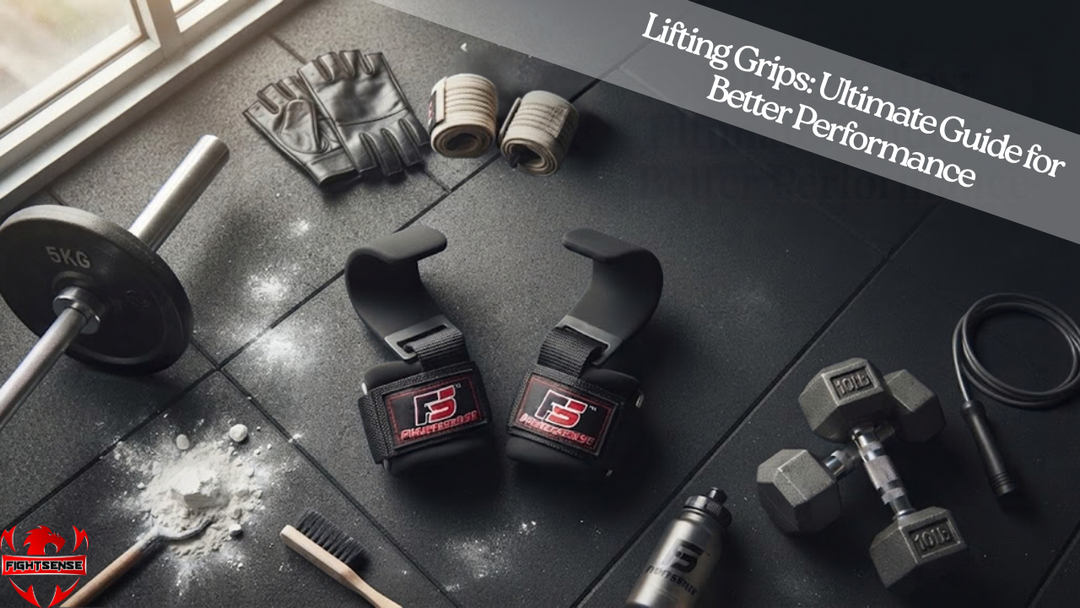
Lifting Grips: Ultimate Guide for Better Performance
Lifting grips are essential for anyone serious about strength training. Building muscle is important, but a strong, reliable grip makes lifting safer and more effective.
These grips support your wrists and hands, reduce fatigue, and help you hold the bar during heavy lifts. This blog explains how Gym grips improve technique, prevent injuries, and elevate your workouts.
Keynotes:
- Hand grips for lifting enhance grip strength and reduce hand fatigue.
- Choosing the right type depends on your lifting style and comfort.
- Proper use prevents injuries and maintains correct form.
- Combining grips with grip-strength exercises boosts results.
- Grip endurance improves overall performance and long-term gains.
What Are Lifting Grips?
Lifting grips are tools designed to help you maintain a secure hold on bars, dumbbells, or other equipment during workouts. They reduce strain on your hands and forearms, making heavy lifts more manageable.
Grips are especially helpful for lifters who struggle with hand fatigue or want to push heavier weights safely. They also help maintain proper form, ensuring each rep is effective and reducing the risk of injury.There are several options: lifting straps, gloves, hook grips, and tape grips. Each serves a specific purpose but all aim to improve your gym performance.
Types of Hand grips for lifting:
Hook Grips
Ideal for Olympic lifts and heavy barbell exercises. They wrap around the bar and provide extra security without limiting wrist mobility.
Wrist Straps
Perfect for deadlifts, rows, and other pulling movements. They transfer some of the weight from your hands to your wrists, letting you lift more safely.
Gloves with Grip Pads
Best for comfort and sweat absorption. They protect your hands from blisters while maintaining a strong hold on the equipment.
Tape & Specialized Grips
Used in CrossFit or professional lifting. They offer additional protection and grip for high-intensity workouts.
Pro tip: Consider a brand like Fightsense, known for durable and high-quality lifting grips, if you want reliability and longevity.
How Wrist and hand grips Improve Performance?
Strength training grips can significantly enhance your performance in the gym by providing a stronger and more secure hold on bars and dumbbells. By improving grip strength, they allow you to weightlifting safely, helping you achieve better results in less time.
They also reduce hand fatigue, enabling longer and more effective workouts, and help maintain proper form, which lowers the risk of injuries to your hands, wrists, and forearms. Over time, consistent use of Wrist and hand grips can boost confidence during heavy lifts, letting you focus on progressive overload without worrying about slipping or grip failure. For athletes aiming for maximum strength and endurance, grips are an essential tool to push past plateaus and improve overall performance.
How to Choose the Right Lifting Grip?
When selecting lifting grips, consider:
Type of lifts:
Different exercises demand different grips. For pulling movements like deadlifts and rows, wrist straps can provide extra support. For pressing or Olympic lifts, hook grips help maintain a secure hold while allowing wrist mobility. Choosing the right type ensures your grip complements your training goals.
Material:
Wrist and hand grips come in leather, cotton, or synthetic options. Leather grips are durable and ideal for heavy, frequent lifting, cotton grips offer comfort and sweat absorption, and synthetic materials provide flexibility and extra grip. Picking the right material affects both longevity and comfort during workouts.
Personal comfort and wrist support:
A grip that feels uncomfortable or restricts movement can reduce performance and increase injury risk. Look for grips with adequate padding, adjustable straps, or ergonomic designs that match your wrist size. Comfortable grips help maintain proper form and allow you to train longer.
How to Use Workout grips Correctly?
- Wrap hooks or straps properly: Wrap hooks or straps around the bar tightly enough to secure your grip, but avoid over-tightening, which can restrict blood flow or make adjustments difficult mid-lift.
- Ensure gloves fit snugly: Make sure lifting gloves or padded grips fit well to prevent slipping and maintain control during each rep.
- Maintain hand and wrist alignment: Keep your wrists straight and hands properly positioned on the bar to reduce strain and prevent injuries.
- Incorporate grip-strength exercises: Don’t rely solely on Strength training grips—continue exercises like farmer’s carries, plate pinches, or dead hangs to strengthen your natural grip over time.
- Check grips regularly: Inspect your grips for wear and tear before each session. Damaged straps or worn-out padding can compromise safety and performance.
Tips for Better Results with Workout grips:
- Warm up hands and forearms before lifting.
- Combine grips with grip-strength exercises like farmer’s carries or plate pinches.
- Maintain grips by keeping them clean and dry to ensure longevity.
Tips for Different Goals:
- Strength-focused: Use thicker, stronger grips with wrist straps to lift heavier safely.
- Endurance-focused: Opt for lightweight grips for high-rep workouts to reduce hand fatigue.
- Bodybuilding: Padded gloves provide comfort, protect hands, and control sweat.
- CrossFit & Functional Training: Choose versatile grips that allow quick transitions between bars, kettlebells, and ropes without slipping.
- Rehabilitation or Joint Support: Soft, cushioned grips can help those recovering from wrist or hand injuries maintain performance without overstraining.
Why Grip Endurance Matters for Long-Term Gains?
While many lifters focus on lifting heavier weights, grip endurance is often overlooked. Strong, long-lasting grip endurance allows you to maintain proper form throughout your sets, prevents early fatigue, and ensures that your performance isn’t limited by weak hands or forearms.
Over time, developing grip endurance not only improves lifting capacity but also enhances performance in other sports like rowing, climbing, or kettlebell training. Incorporating exercises such as farmer’s carries, plate pinches, and wrist rotations alongside Hand grips for lifting can significantly boost overall strength and make every workout more effective.
Conclusion:
Lifting grips are more than just accessories—they’re tools that can transform your workouts by enhancing grip strength, reducing fatigue, and allowing you to lift heavier safely. Whether you’re a beginner or an advanced lifter, choosing the right grip, using it correctly, and combining it with grip-strength exercises can significantly improve your overall performance.
Consistent practice and attention to grip endurance will help you reach new personal bests while protecting your hands and wrists, making every lift more effective and rewarding.
FAQs:
Are Strength training grips suitable for both beginners and advanced lifters?
Yes. Beginners benefit from added support while learning proper form, and advanced lifters can push heavier weights safely, preventing grip from limiting their performance.
Can Workout grips replace natural grip training?
No. While grips assist in heavy lifts, it’s important to continue exercises like farmer’s carries, plate pinches, and wrist curls to strengthen your natural grip over time.
How do I know which type of lifting grip is best for me?
The right grip depends on your lifting style, exercise type, and personal comfort. Factors like wrist support, padding, and material should be considered to ensure safety and effectiveness.
Can lifting grips help prevent injuries during heavy lifting?
Absolutely. By reducing strain on your hands and wrists, Workout grips minimize the risk of blisters, calluses, and overuse injuries, especially during high-volume or heavy-weight training.
Disclaimer:
This content is for informational purposes only and is not a substitute for professional medical or fitness advice.