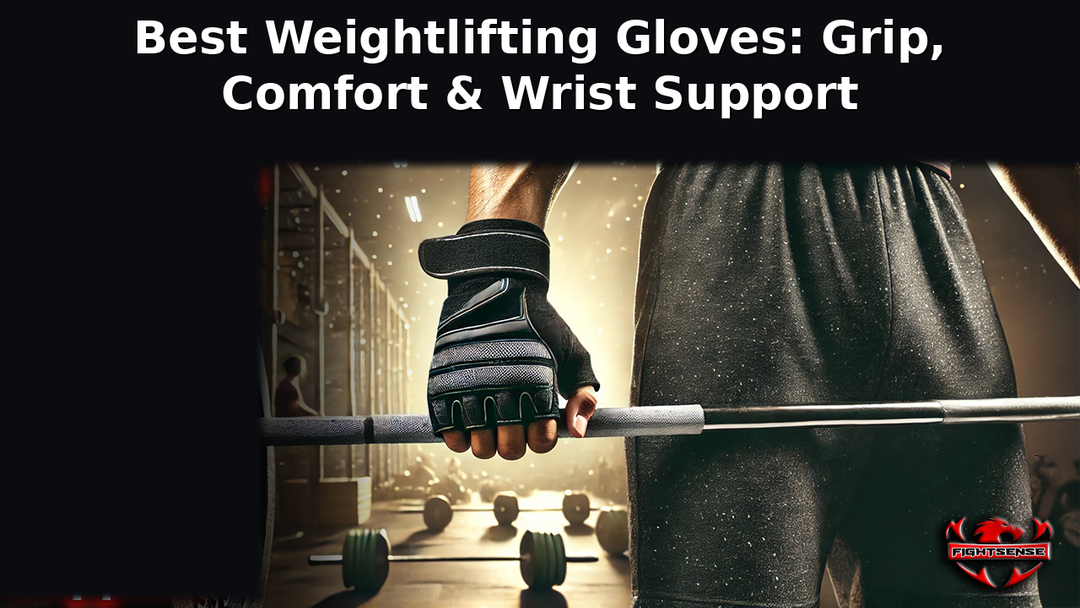
Best Weightlifting Gloves: Grip, Comfort & Wrist Support
A bar that slips, a palm that burns and a wrist that aches can cut a good session short. The right pair changes that. In this guide, we explain how the best weightlifting gloves protect your hands, steady your grip and support your wrists, so you can focus on the lift instead of the discomfort.
Key Takeaways
- Choose a glove for the grip first: textured palms and a snug fit stop the bar sliding when your hands sweat.
- Padding should cushion the palm without making the bar feel distant or hard to hold.
- Wrist support helps on heavy presses and overhead work, but the wrist should still move naturally.
- Leather suits heavy, regular lifting; neoprene and mesh suit lighter sessions and warmer gyms.
- Wash and air-dry your gloves, and replace them when the palm wears smooth or the stitching loosens.
How to Choose the Best Weightlifting Gloves
Start with how you train. A powerlifter chasing heavy deadlifts needs a different glove from someone doing high-rep circuits or machine work. The best weightlifting gloves for you are the pair that matches your main lifts, fits your hand shape and stays comfortable from the first set to the last. If you are still unsure whether you really need lifting gloves, think about your hands after a hard session: torn skin and sore wrists are a sign your grip needs help, not more willpower.
Grip That Holds When Your Hands Sweat
Grip fails for two reasons: sweat and a smooth palm. Look for textured leather or silicone-style grip panels on the palm and fingers, and a fit that leaves no loose material to bunch under the bar. A glove that shifts as you pull is worse than no glove at all, because it breaks your hold at the worst moment. The best weightlifting gloves keep the bar steady without forcing you to squeeze harder, which means your forearms tire later and your form stays cleaner for longer. For a closer look at grip-first designs, see our guide to grip gloves built for comfort and strength.
What Makes the Best Weightlifting Gloves Comfortable for Long Sessions?
Comfort comes from fit, padding and airflow together. Padding should sit over the callus line across the palm, not in a thick lump in the middle, and the back of the hand should breathe so heat does not build up. Half-finger designs keep your fingers free for a natural hold, while a soft lining stops chafing on long sets. Try the glove with a bar or dumbbell in the shop, or check the size guide carefully online: your fingers should reach the end of the glove without pressing, and the palm should feel flat against the bar. If you want a lighter, open-palm option for pull days, weight-lifting grips with straps give you palm protection and a secure hold without covering the whole hand.
Wrist Support Without Losing Movement
A short wrist wrap or an extended cuff can steady the wrist on presses, cleans and overhead lifts, where the joint bends back under load. The support should feel firm but not tight: you should still be able to bend the wrist slightly and grip the bar fully. Very stiff, long wraps belong with very heavy singles, not with every warm-up set. For extra stability on heavy days, pair your gloves with wrist wraps for weightlifting and tighten them only as much as the lift demands.
Materials That Last: Leather, Neoprene and Mesh
Leather is the workhorse: it grips well, moulds to your hand over time and stands up to rough knurling, but it needs air-drying and can feel stiff at first. Neoprene is lighter and more flexible, with good sweat handling, while mesh panels add airflow for hot gyms. Stitching matters as much as material — double-stitched seams around the palm and thumb last far longer than a single row. The best weightlifting gloves use strong stitching and a palm material matched to how often you train, so check the seams before you buy, not after they split. For a versatile everyday pair, try gym gloves for everyday training.
Glove Types Explained: Half-Finger, Full-Finger and Grip Pads
Glove types differ mainly in how much of the hand they cover. Half-finger gloves protect the palm and leave the fingers free, which suits most barbell and dumbbell work. Full-finger gloves cover the whole hand and protect against cold bars and rough surfaces, but they can feel warmer and less precise. Grip pads cover only the palm and suit lifters who want the lightest possible protection. Wikipedia's overview of weightlifting glove types describes the same half-finger, full-finger and grip-pad styles, so you can compare the categories before choosing.
Half-Finger Gloves
Half-finger gloves are the most common choice for regular lifting. They protect the callus line, keep your fingers free to wrap the bar, and are easy to pull on and off between sets. Look for a snug wrist closure and a palm that stays flat when you make a fist.
Full-Finger Gloves
Full-finger gloves suit cold gyms, outdoor training and anyone who wants full hand coverage. They protect the fingers as well as the palm, but check that the fingertips do not bunch, which can make the bar feel thicker than it is.
Grip Pads and Minimal Palm Covers
Grip pads are the lightest option: a pad across the palm, held by finger loops or a strap. They reduce friction and calluses without the warmth of a full glove, and they suit lifters who like a bare-hand feel with a little extra protection.
Fit, Sizing and Care
Fit is the difference between a glove that helps and a glove that gets in the way. Measure around the palm, just below the fingers, and follow the maker's size chart rather than guessing from your usual clothing size. The best weightlifting gloves feel snug on first wear, with no loose palm material and no pinching at the thumb, and they settle slightly as the material softens. If a pair is between sizes, choose the smaller one for lifting, because a loose glove slides under load.
How a Glove Should Fit
Close your hand around a bar: the palm should stay smooth, the fingers should curl freely, and the wrist closure should sit flat without digging in. If the glove pulls at the knuckles or the thumb seam rubs, the fit is wrong, whatever the size label says.
Breaking In and Looking After Your Gloves
New leather gloves may feel stiff for the first few sessions; wear them for warm-ups first and let them mould to your hand. After training, air them out instead of leaving them in a closed bag, and wash them as the maker directs — usually by hand, then air-dried away from direct heat. For a broader look at building a home or gym kit around your gloves, read our weightlifting equipment guide for home and gym.
Mistakes to Avoid When You Buy Lifting Gloves
The most common mistake is buying for looks instead of fit: a stylish glove that slides or pinches will sit in a drawer. The second is choosing the thickest padding available, which can dull your feel for the bar and make heavy pulls harder to hold. The third is ignoring wrist support until pain appears — support is easier to build into your routine before aches start. The best weightlifting gloves are the ones you actually wear for every session, so buy for your real training, not for a lift you do once a month. If your grip still slips on heavy pulls, add weightlifting wrist straps for those sets rather than switching to a bulkier glove.
Finally, do not forget protection beyond the bar: the right workout gloves for grip and protection should also suit the rest of your routine, from machines to pull-ups, so one pair covers your whole session.
Why Lifters Who Want Grip, Comfort and Wrist Support Choose FightSense for Every Training Session
When your hands are protected and your wrists feel steady, you train harder, longer and with more confidence — and that is exactly what FightSense gear is built for. FightSense designs its lifting gloves and support gear for real gyms and real lifters: durable materials, honest sizing, comfortable fits and prices that make good protection easy to own. Whether you are building strength at home, training for a personal best or simply keeping your hands healthy through every workout, FightSense gives you gear you can rely on set after set. Choose equipment made for lifters, by people who understand lifting, and feel the difference on your very next session.
Ready to Lift Heavier With a Stronger Grip?
Stop letting sore palms and slipping hands cut your sets short — grab a pair of durable lifting gloves today and feel the grip from your very first rep.
Shop Weight Lifting Gloves NowConclusion
The right gloves protect your hands, steady your grip and support your wrists, so you can train consistently without pain holding you back. Choose by grip, comfort and fit, match the material and type to how you train, and look after the pair you buy. With the right pair on your hands, the bar feels secure, your form stays clean and every session counts.
FAQs
Do I need weightlifting gloves for every workout?
Not necessarily. Gloves help most for heavy barbell and dumbbell work, pull-ups and high-volume sessions where friction builds up. For light machine work or short sessions, you may not need them — but if calluses, blisters or slipping are a problem, gloves are worth using.
Are weightlifting gloves good for beginners?
Yes. Beginners often have softer hands and less grip endurance, so gloves can make early training more comfortable and help them focus on form instead of hand pain. Choose a light, comfortable pair and make sure it fits snugly.
How do I stop my weightlifting gloves from smelling?
Air them out after every session, avoid leaving them in a closed gym bag, and wash them as the maker directs — usually by hand with mild soap, then air-dried away from direct heat. A second pair to rotate can also help.
Should weightlifting gloves be tight or loose?
They should be snug, not tight. A snug glove keeps the palm flat against the bar and stops the material bunching, while a loose glove slides and a very tight one cuts off circulation and rubs. If you are between sizes, the smaller size usually works better for lifting.
Do weightlifting gloves help with wrist pain?
Gloves with a wrist wrap or extended cuff can steady the wrist and reduce strain on presses and overhead lifts. They are not a cure for an injury, though — if pain persists, rest the wrist and speak to a health professional.
Can I use weightlifting gloves for pull-ups and deadlifts?
Yes, gloves can help with both, because they protect the palm and improve grip when hands sweat. For very heavy deadlifts, some lifters prefer straps or grip pads as well, because a thick glove can make the bar feel harder to hold.
How long do weightlifting gloves last?
It depends on how often you train and how you care for them. With regular use, a well-made leather pair can last many months, while lighter gloves may wear sooner. Replace them when the palm wears smooth, the padding flattens or the stitching comes loose.
What is the difference between weightlifting gloves and gym gloves?
The terms overlap, but weightlifting gloves are usually made for barbell and dumbbell work, with palm padding and wrist support, while gym gloves is a broader term that can also cover gloves for machines, classes and general fitness. Check the palm, padding and wrist support rather than the label.