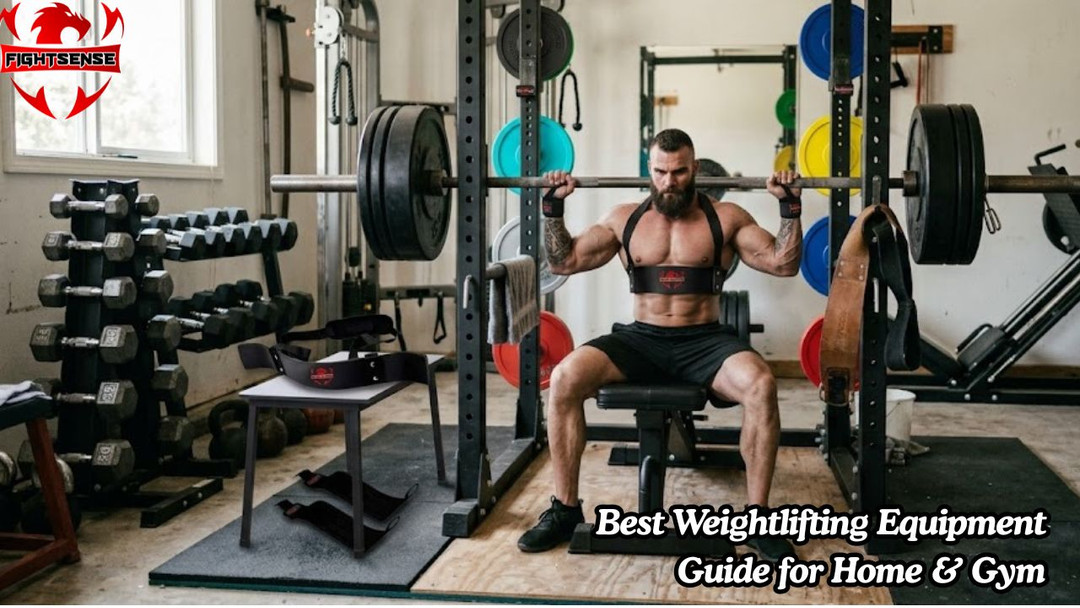
Best Weightlifting Equipment Guide for Home & Gym
Building strength starts with choosing the right setup. Whether you are creating a home setup from scratch or upgrading a commercial facility, selecting high-quality weightlifting equipment is crucial for safety, durability, and maximal strength gains.
With hundreds of choices on the market—from Olympic barbells and bumper plates to squat racks and adjustable benches—it is easy to feel overwhelmed. In this comprehensive guide, we break down essential strength training tools, compare key features, and help you invest wisely in gear tailored to your training goals.
The Foundation of Strength: Essential Gear
Every effective strength program relies on core compound movements: squats, deadlifts, bench presses, and overhead presses. To perform these safely, you need gear that matches your lifting style and weight capacity.
1. Barbells and Weight Plates
- Olympic Barbells: Standard 20 kg (44 lb) bars with 2-inch sleeve diameters designed for heavy loading and standardized spinning sleeves.
- Bumper Plates: Dense rubber plates ideal for Olympic lifting and cross-training, allowing safe drops without damaging subflooring.
- Cast Iron Plates: Traditional plates suitable for powerlifting and static lifts where dropping weights is not required.
2. Squat Racks and Power Cages
- Power Cages (4-Post): Maximum safety with internal spotter arms or safety straps, perfect for solo lifters training heavy.
- Half Racks: Space-saving footprint with external safety spotter arms, ideal for garage gyms.
- Squat Stands: Compact two-post setups designed for tight spaces and lighter mobility requirements.
3. Adjustable Benches
- FID Benches (Flat, Incline, Decline): Highly versatile options allowing full angle customization for pressing variations.
- Flat Benches: Sturdy, simple options offering maximum stability for heavy flat benching and hip thrusts.
Comparing Essential Gear Types
To help you decide which gear fits your space and training style.
|
Equipment |
Best For |
Key Advantage |
|
Barbell & Plates |
Free weight compound lifts |
Full body versatility & load progression |
|
Power Rack |
Heavy solo lifting |
Built-in safety spotter arms |
|
Adjustable Dumbbells |
Hypertrophy & isolation |
Replaces full dumbbell rack; saves space |
|
Kettlebells |
Dynamic conditioning |
Great for ballistic cardio-strength work |
|
Adjustable Bench |
Pressing & seated work |
Adds multiple pressing angles to workouts |
Step-by-Step Guide: How to Choose Your Setup
Building your ideal gym space requires logical planning so you avoid overspending or buying incompatible items.
1.Measure Your Available Space:
Include ceiling height clearances for overhead presses.
Measure your floor area and ceiling clearance. Standard Olympic barbells are 7.2 feet long, and power racks require at least 8 feet of ceiling height for pull-ups and overhead movements.
2.Define Your Primary Training Style:
Powerlifting vs. Olympic Weightlifting vs. General Fitness.
Identify your primary goal. Powerlifters need stiff bars and iron plates, while Olympic weightlifters need whip-action bars and rubber bumper plates.
3.Prioritize Core Safety Hardware First:
Never compromise on safety spotters.
Invest first in a solid squat rack with safety arms and a rated weight capacity exceeding your target lifts by at least 30%.
4.Select Barbell & Plate Packages:
Ensure sleeve and plate hole diameter compatibility.
Match your bar sleeve spec (standard 2-inch Olympic) to your plate openings. Consider rubber bumper plates if training on concrete or subflooring.
5.Add Secondary Accessories:
Expand as your programming evolves.
Complete your space with adjustable dumbbells, resistance bands, dynamic kettlebells, and protective rubber floor matting.
Pros & Cons of Home vs. Commercial Outfits
Building a Personal Home Gym
- Pros:
- No monthly membership fees or commute time.
- 24/7 availability with zero waiting for equipment.
- Complete control over gear selection and hygiene.
- Cons:
- Higher upfront financial investment.
- Requires dedicated square footage and structural floor support.
Utilizing Commercial Gym Facilities
- Pros:
- Access to specialized machines, cables, and heavy iron stacks.
- Zero maintenance or equipment replacement responsibilities.
- Cons:
- Recurring monthly membership fees and crowds during peak hours.
- Gear availability can limit workout pacing and program compliance.
Expert Buying & Maintenance Tips
- Check Sleeve Construction: Look for needle bearings if performing fast Olympic lifts (snatch/clean & jerk) or bronze bushings for slower powerlifting movements (squat/bench/deadlift).
- Incorporate Specialized Accessories: For extra grip support on heavy pulls or strict biceps isolation, fitness brands like Fightsense offer targeted weightlifting gears such as arm blasters, weightlifting straps, and heavy-duty lifting hooks.
- Protect Your Gear: Wipe down steel barbells with 3-in-1 oil once a month to prevent surface rust, especially in humid environments like garages.
- Floor Protection: Always lay high-density stall mats (at least 3/4-inch rubber) under your rack to absorb impact and protect subflooring.
Get Yours Now!
Common Weightlifting Equipment Mistakes to Avoid
- Buying Cheaply-Made Barbells: Low-grade 25mm bars lack proper knurling, have poor sleeve rotation, and bend under moderate loads.
- Ignoring Safety Mechanisms: Skipping spotter arms or safety straps inside a rack leads to dangerous solo lifting conditions.
- Overlooking Ceiling Clearance: Buying an 84-inch rack without accounting for your height during pull-ups can lead to head injuries or ceiling damage.
- Skipping Protective Flooring: Dropping iron plates directly onto concrete damages both the plates and your foundation over time.
FAQs:
1. What essential weightlifting equipment do for a beginner?
A beginner setup requires an Olympic barbell, a set of bumper plates, an adjustable bench, and a sturdy squat rack with safety arms.
2. What is the difference between bumper plates and cast iron plates?
Bumper plates are made of dense rubber designed to be dropped safely from overhead without damaging floors, whereas cast iron plates are solid metal meant for controlled movements.
3. How much weight capacity should my squat rack have?
Look for a rack rated for at least 700 to 1,000 lbs. Even if you don't lift that much, higher ratings ensure structural stability during heavy reracks.
4. What barbell diameter is standard for strength training?
Standard Olympic barbells feature a 28mm to 29mm grip diameter for men (20 kg) and a 25mm grip diameter for women (15 kg), both with 2-inch loading sleeves.
5. How do barbells rust in a garage gym?
Clean the knurling regularly with a nylon brush, wipe off sweat after sessions, and apply a light coat of 3-in-1 oil or mineral oil every few weeks.
6. Are adjustable dumbbells worth buying over fixed dumbbell sets?
Yes, high-quality adjustable dumbbells save thousands of dollars and hundreds of square feet while offering quick weight changes for hypertrophy training.
7. How thick should gym rubber flooring be for dropping weights?
Use high-density rubber flooring that is at least 3/4-inch (19mm) thick to absorb shock and protect your foundation.
8. Can Olympic lifts on a standard powerlifting bar?
You can perform basic lifts, but true Olympic lifting requires a bar with smooth sleeve rotation (needle bearings) and appropriate knurling whip to protect your wrists.
Conclusion:
Investing in reliable weightlifting equipment is one of the most effective ways to build lifelong strength and physical fitness. By prioritizing core essentials—like a high-tensile Olympic bar, resilient plates, and a secure safety rack—you lay a foundation that will last for decades. Assess your personal goals, measure your space, and select durable equipment that supports your progression every step of the way.
Disclaimer:
This is for general information purposes only. Always consult an expert before buying weightlifting tools to determine whether it suits your fitness requirements.