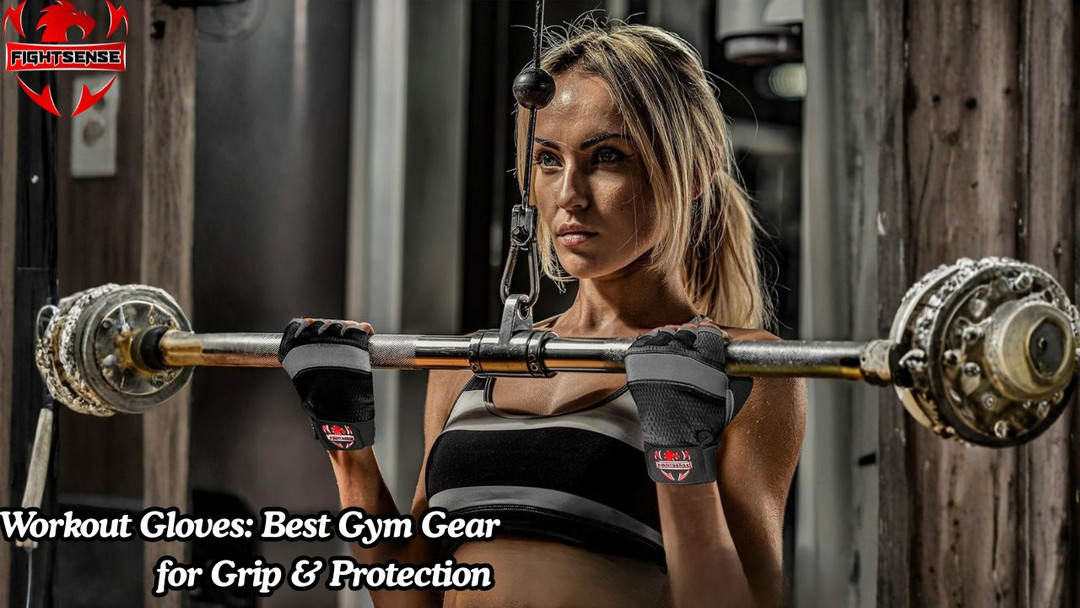
Workout Gloves: Best Gym Gear for Grip & Protection
Lifting heavy weights pushes your muscular boundaries, but constant friction against textured steel barbells and knurled dumbbells can wreak havoc on your hands. From painful calluses and bleeding blisters to slipping grips caused by excessive palm sweat, unassisted lifting frequently limits your training potential.
Workout gloves solve these fundamental friction and stability issues by placing an engineered, high-traction protective barrier between your skin and the steel. In this comprehensive guide, you will learn how selecting the right fitness handwear transforms your lifting performance, safeguards your skin integrity, and provides structural joint alignment during high-intensity strength training.
What Are Workout Gloves and Why Are They Essential?
Workout gloves—commonly referred to as gym gloves or weightlifting gloves—are specialized fitness accessories engineered to cushion the palms, reinforce grip traction, and provide wrist stabilization. Crafted from heavy-duty natural leather, flexible neoprene, or high-airflow synthetic mesh, they cater specifically to strength training, bodybuilding, cross-training, and bodyweight exercises like pull-ups and dips.
When you repeatedly grip textured steel bars, the shearing force compresses your skin against hard bone structure. Over time, this leads to thickened, dead skin patches (calluses) that can tear open during heavy pulling movements. Dedicated handwear absorbs this rotational shear stress, enabling consistent daily training without physical hand pain forcing unexpected rest days.
Anatomy of a High-Performance Gym Glove
Understanding how a weightlifting glove is constructed helps you evaluate quality before making a purchase.
- Palm Layer: The high-wear zone typically reinforced with split-leather, synthetic suede, or heavy-duty rubber grip patterns.
- Padding Core: High-density gel, EVA foam, or memory foam inserts sewn into high-pressure contact zones (under the metacarpal heads).
- Backing Fabric: Highly breathable, elastic materials like Spandex, Lycra, or 3D mesh designed to regulate temperature and allow natural hand flexing.
- Closure System: Industrial-grade hook-and-loop (Velcro) straps around the wrist or back-of-hand for secure locking.
- Pull Tabs: Integrated loops located on the fingers or wrist to allow quick, effortless removal when your hands are sweaty after a workout.
Comprehensive Benefits of Using Weightlifting Gloves
1. Superior Callus and Blister Prevention
Direct contact with steel knurling digs into palm skin. High-density glove padding acts as a protective shield, preventing friction-induced skin tears and maintaining smooth, pain-free hands.
2. Enhanced Traction Under Sweaty Conditions
As core body temperature rises during heavy sets, palm perspiration reduces natural friction. Anti-slip rubberized linings and textured leather palms lock onto equipment, drastically reducing the risk of dropped weights.
3. Optimized Load Distribution
Heavy deadlifts, rows, and heavy dumbbell presses exert extreme point-pressure on small palm areas. Built-in gel or foam padding spreads this force across the entire palm surface, reducing localized nerve compression and discomfort.
4. Structural Wrist Stabilization
Many advanced lifting gloves feature integrated, wrap-around wrist support straps. These wraps act like external ligaments, locking the wrist in a safe, neutral position to prevent dangerous hyperextension during heavy bench presses or overhead shoulder presses.
Gym Gloves vs. Bare Hands vs. Lifting Straps vs. Chalk
Choosing the right hand support depends on your specific training style and goals.
|
Feature / Tool |
Gym Gloves |
Bare Hands |
Lifting Straps |
Gym Chalk |
|
Primary Purpose |
Hand protection & grip |
Natural bar feedback |
Maximum pull load |
Moisture absorption |
|
Callus Protection |
High |
None |
Low |
None |
|
Wrist Support |
High (if integrated) |
None |
Moderate |
None |
|
Best For |
General gym & bodybuilding |
Powerlifting meets |
Max deadlifts & rows |
Gymnastics & rock climbing |
|
Mess Factor |
None |
None |
None |
High (powder dust) |
Detailed Breakdown: Types of Exercise Gloves
Fingerless (Half-Finger) Exercise Gloves
The most popular design in commercial gyms. They cover the palm and lower finger joints while leaving fingertips exposed.
- Pros: Maximum breathability, touch-screen compatibility, natural tactile feel.
- Cons: Leaves upper finger segments exposed to bar friction.
Wrist Wrap Gym Gloves
Featuring long, double-wrap elasticized straps that secure tightly around the wrist joint.
- Pros: Outstanding joint stability for heavy pushing movements like bench pressing.
- Cons: Slower to put on and take off; adds slight bulk around the wrists.
Full-Finger Workout Gloves
Complete hand coverage extending from the wrist to the fingertips.
- Pros: Total protection against calluses, cold gym equipment, and dirt/germs on shared gear.
- Cons: Reduced ventilation; can cause excessive palm sweating if not made from breathable mesh.
Minimalist Palm Pads / Lifting Grips
Open-back rubber or leather pads that loop around a few fingers, covering only the palm core.
- Pros: Extremely lightweight, maximum air airflow, ultra-fast application.
- Cons: Zero wrist stabilization; can shift slightly during explosive movements.
Step-by-Step Buying Guide: How to Choose the Perfect Pair
Step 1: Evaluate Your Primary Exercise Focus
If your routine revolves around high-rep dumbbell circuits and cable machines, lightweight fingerless gloves are ideal. If you focus on heavy compound movements (bench press, overhead press), prioritize models with extended wrist support.
Step 2: Choose Palm Material and Padding Thickness
- Leather/Synthetic Suede: Exceptional durability for heavy daily lifting.
- Silicone/Rubberized Print: Maximum sticky traction for pull-ups and functional fitness.
- Gel Padding: Ideal for absorbing high impact, though overly thick padding can make thick barbells harder to wrap your fingers around.
Step 3: Assess Ventilation Needs
Always verify that the back-of-hand panel features 4-way stretch mesh, perforated neoprene, or open ventilation channels to allow sweat evaporation.
Specialized brands such as FightSense address these performance demands directly. In addition to their athletic equipment line, they design weightlifting gear including wrist-wrap workout gloves, heavy-duty lifting straps, and palm hooks constructed with high-density foam padding and reinforced stitching for demanding strength workouts.
Get Yours Now!
Sizing and Fit Guide: Avoiding Common Sizing Errors
A glove that fits poorly will hurt your performance rather than help it.
- Too Tight: Restricts blood circulation, causes hand cramping, and pulls uncomfortably across knuckles during finger flexion.
- Too Loose: Material bunches up underneath your palm, creating friction folds that actually cause blisters rather than preventing them.
Common Mistakes When Buying and Using Gym Gloves
- Selecting Excessive Padding for Pulling Movements: Thick palm padding artificially increases bar diameter, making deadlifts and heavy pull-ups significantly harder to grip.
- Neglecting Post-Workout Air Drying: Leaving damp, sweaty gloves inside a sealed gym bag encourages bacteria growth, causing bad odors and fast material breakdown.
- Using Wrist Wraps Incorrectly: Positioning wrist straps too low on the forearm rather than directly over the wrist joint fails to provide structural support.
Care & Maintenance Guide: How to Wash and Extend Glove Life
- Air Out Immediately: Take gloves out of your bag as soon as you get home. Open all straps and let them dry in a well-ventilated area.
- Hand Wash Only: Submerge gloves in a bowl of cool water mixed with a few drops of mild detergent. Gently scrub palm pads with a soft brush.
- Fasten All Velcro: Always fasten hook-and-loop straps before washing to prevent them from snagging on mesh panels or other fabrics.
- Air Dry Away from Direct Sun: Never put gloves in a machine dryer or in harsh direct sunlight, as high heat cracks leather and destroys elastic fibers.
FAQs:
Should beginners wear fitness gloves right away?
Yes. Beginners often experience discomfort before developing hand conditioning. Protective handwear allows new lifters to focus on proper exercise form without palm pain distraction.
Will lifting gloves stop hands from getting calluses completely?
While they significantly reduce callus formation by absorbing friction, light toughening may still occur naturally over time at major pressure points.
Do training gloves weaken natural grip strength?
No. By eliminating pain and skin tears as limiting factors, protective handwear allows lifters to complete more reps, indirectly strengthening forearm muscles over time.
Are fingerless options better than full-finger handwear for gym sessions?
Fingerless designs offer better breathability, tactile feedback, and dexterity, making them the superior choice for overall athletic workouts.
How often should weightlifting handwear be replaced?
With consistent 3 to 4 weekly workouts, a quality pair typically lasts 6 to 12 months before palm padding compresses or stitching wears out.
Do built-in wrist wraps help prevent bench press injuries?
Yes. Built-in wraps reinforce the wrist joint, preventing backward bending under heavy loads and protecting against joint strain.
Why do training gloves develop bad odors, and how can it be fixed?
Sweat absorption breeds odor-causing bacteria. Wash handwear regularly with mild detergent and store the pair in an open, dry space between workouts.
Conclusion:
Investing in high-grade workout gloves protects your skin, enhances your bar control, and stabilizes your wrist joints during demanding gym sessions. Whether you are aiming to push past plateaus on compound lifts or simply keep your hands smooth and pain-free, selecting gloves with the proper mix of padding, ventilation, and wrist support is essential. Add a durable pair of fitness gloves to your gym kit to ensure long-term training comfort and steady performance gains.
Note:
This article is for general informational purposes only and does not constitute professional fitness or medical advice. Please consult a qualified trainer or healthcare professional before making any training or equipment decisions.