
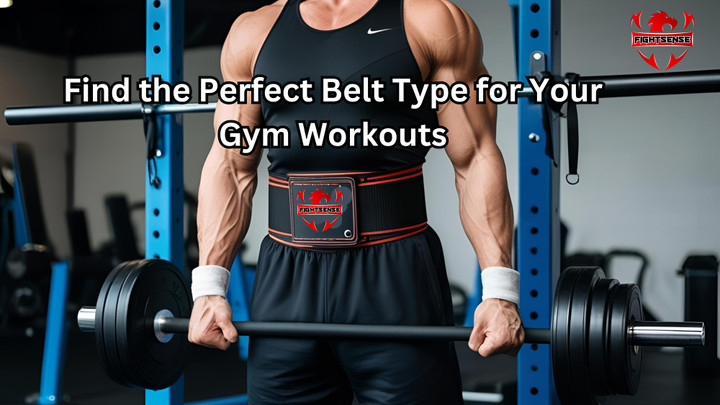
Find the Perfect Belt Types for Your Gym Workouts
5th Mar 2025
In the realm of fitness, your performance and safety will be much improved by selecting the appropriate belt types. Whether you emphasize high-intensity workouts, core exercises, or strength training, the correct gym belt offers necessary support to guard your back, proper posture, and maximize your lifts.From lifting belts to flexible training belts, this guide emphasizes the best belt varieties for gym exercises.
Key Highlights:
-
Workout intensity determines belt types one uses; they range from flexible dynamic exercise options to maximum powerlifting support.
-
While nylon and neoprene belts offer comfort and support for lighter lifting, leather and powerlifting belts are necessary for heavier lifting.
-
The correct belt type can improve performance, prevent injuries, and give core stability during exercises.
-
To maximize comfort, safety, and efficacy, choose a belt type fit for your training method.
What are perfect belt types for gym workouts?
Supporting and stabilizing oneself while heavy lifting depends on gym belts. By helping you to keep good posture, lower back injury risk is reduced, and intra-abdominal pressure is raised, thereby enabling better control of greater weights.
Perfect for squats, deadlifts, and overhead presses, gym belts improve posture and stability of your core, therefore enhancing safety and performance.
Various Belt Types for Exercise:
Here are various types of belts, that are described below:
Powerlifiting belt best for:
-
Powerlifting, strength training, and heavy lifting is a leather lifting belt.
-
Features: Strong, thick, stiff substance for the best back support.
-
Benefits: Are long-lasting durability, best stability, and protection of the lower back during hard lifts.
Deadlift belt best for:
-
Deadlifts, bench presses, squats, and other heavy compound motions.
-
Features: Flexible, light-weight, airy substance.
-
Benefits: Include long-lasting durability, the endurance training, and flexibility is nylon lifting belts.
Neoprene belt best for:
-
Dynamic workouts, benefits include comfort free from restriction of mobility.
-
Features: For HIIT, endurance training, CrossFit-style workouts.
-
Benefits: Light support, ab exercises, and core training is neoprene belt.
CrossFit belt best for:
-
Ideal for severe strength training, Olympic lifting, and powerlifting.
-
Features: Flexible, usually changeable, medium thickness.
-
Benefits: High-intensity training and dynamic motions is a CrossFit belt.
Benefits of a perfect gym belt for your workout:
Weight Belts with adaptive tension let support change depending on your lift, and the benefits are as follow:
-
Integrating technology with smart sensors provides real-time posture feedback.
-
Materials with fluid flexibility that flow naturally with your body.
-
Mesh textiles for the best cooling and airflow define ventilated design.
-
Belts with dual functionality promote cardio and lifting.
-
Custom colors and patterns can help you create distinctive designs.
The Best Belt Type for Your Exercise: Choosing Guide:
-
For powerlifting, or weight lifting, choose leather lifting belts. These give compound exercises, deadlifts, and heavy squats maximum stiffness and stability.
-
Should your exercise call for mobility and flexibility, nylon lifting belts are your best choice for comfort and minimal assistance.
-
Core exercises benefit from neoprene belts, which provide compression support without the bulk of more weighty belts.
-
CrossFit and HIIT belts are made for dynamic motions, thereby providing you with some support without limiting fluid movements.
-
If you frequently have lower back discomfort, a powerlifting or leather lifting belt offers the support required to avoid damage during big lifts.
Understanding Belt Width and Prong Systems:
A belt's performance and comfort are directly impacted by its physical design, which includes its width and buckle type. A belt that complements your body rather than detracts from it depends on the combination you choose.
Belt Width:
Standard/Wide (4-inch all around): This is a powerlifting belt classic. During squats and deadlifts, the core can brace against a big, unyielding surface thanks to the continuous width. However, for lifters with shorter torsos or while performing exercises like bent-over rows, a 4-inch front might occasionally dig into the hips or ribs.
Tapered (4-inch back, 2-3 inch front): This shape tapers to a narrower width in the front while providing the same strong support on the lower back. It is a popular option for Olympic weightlifting, CrossFit, and general strength training where a variety of exercises are performed since it gives the torso more comfort and mobility.
Buckle Systems:
Single/Double Prong: The classic lever buckle has one or two prongs. It evenly distributes pressure and is incredibly secure. While a double prong may feel more secure for heavy loads but may be a little more challenging to adjust, a single prong is simpler to fasten and unfasten.
Lever Buckle: This buckle secures the belt in place by means of a cam lever. It is the fastest and easiest to put on and take off, and it always fits flawlessly. The drawback is that sizing is less adjustable; you need a tool to change it, which makes it challenging to use or share if your waist size changes a lot during a training cycle.
Gym Belt Care: Break-In & Maintenance:
New leather belts are stiff—wear them gradually during warm-ups so they soften and mold to your body. Wipe off sweat and chalk after each session, and condition leather belts 2–3 times a year to prevent cracking. Store flat or hanging, never tightly rolled, to maintain shape and durability.
Shop Now !
Conclusion:
Maximizing performance and avoiding injury depend on you selecting the appropriate belt types for your workouts. Whether your focus is on core workouts, CrossFit, or heavy weightlifting, the correct belt provides the support you need to train safely and powerfully.
Choosing the right belt type, from the flexibility of neoprene to the lifetime of leather belts, can significantly impact your ability to achieve your exercise objectives.
FAQs:
-
For heavy lifting, which kind of belt would be most suited?
Ideal for squats and deadlifts, leather lifting belts and powerlifting belts give optimal support for heavy lifting. -
Could an ab exercise benefit from a neoprene belt?
By compressing your abdomen, neoprene belts assist core engagement during ab exercises. -
Why would a CrossFit belt vary from a powerlifting belt?
While powerlifting belts are more rigid and intended to support heavy lifting, CrossFit belts provide flexibility for dynamic motions. -
Are CrossFit nylon belts available?
Indeed, nylon lifting belts suit CrossFit since they give dynamic, high-intensity exercises mild support and flexibility. -
How can I find out whether lifting calls for a belt?
A lifting belt will help you significantly if you are doing compound workouts or lifting heavy to guard your lower back and enhance performance.
Disclaimer:
This blog's content is for general educational use only; it should not be taken as professional or medical advice. Always see a fitness professional or healthcare provider.