
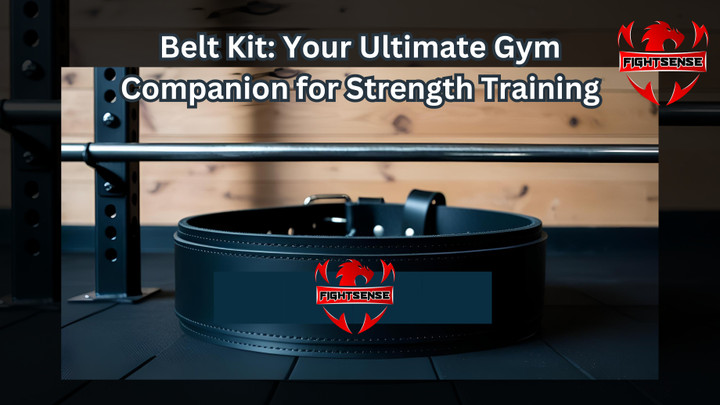
Belt Kit: Your Ultimate Gym Companion for Strength Training
16th Mar 2025
Should you take your gym sessions very seriously, you should include a belt kit in your training equipment. A belt kit supports hard lifting, corrects your core, and helps guard your back. Knowing how a belt kit operates will help you improve your strength training program regardless of experience level at the gym.
We will discuss what a belt kit is, why it is helpful, and safe use techniques in this handbook.
Key Highlights
-
Provide outstanding back and core support.
-
Enhances lifting performance
-
Lowers the likelihood of damage.
-
Perfect for advanced lifters and beginners
What is a Belt Kit?
Usually consisting of a lifting belt used to assist your lower back and core during demanding gym workouts, a belt kit Usually composed of strong, stable materials like leather or neoprene, most belt kits are Though certain belt kits could also incorporate extras like knee sleeves or wrist wraps, the lifting belt itself is the main component.
Why Use a Belt Kit in the Gym?
Tin the gym, wearing a belt kit lowers the chance of injuries—especially while lifting large weights. It correctly activates your core muscles and maintains your spine in alignment.
Gym aficionados use a belt set for the following reasons:
-
Offers deadlifts and squats back support.
-
Improves posture and core stability.
-
Teaches lifters safe handling of larger loads.
Where and How to Use a Belt Kit
-
A belt kit finds application in several gym environments:
-
Perfect for deadlifts, squats, and overhead presses, weightlifting
-
Powerlifting Meets: Crucially important for competitive lifting when form and safety rule
-
CrossFit Workouts: Provides assistance throughout strength-based, high-intensity programs
Different belt kits for different training goals
Belt kits are not all the same. You can choose one based on how you like to work out:
Basic Belt Set: This package simply comes with the lifting belt, which is perfect for beginners or people who don't go to the gym very regularly.
Powerlifting Kit: Comes with a thick leather belt, wrist wraps, and knee sleeves to provide you the most support.
CrossFit Kit: A light neoprene belt that makes it easier to move and breathe. It may come with grips or bands.
Bodybuilding Kit: Comes with thinner belts and other things like lifting straps that make it easier to move around and feel good.
How to Make the Most of Your Belt Kit
These helpful tips will help you get the most out of your safety and performance:
Use it only for heavy sets. Don't wear your belt as you warm up or do light sets so that your core can work on its own.
Pair with the Right Form: A belt doesn't take the place of good posture and lifting technique; it makes them better.
Cleaning on a regular basis: After each usage, wipe down your leather or neoprene belts to maintain them clean and in good shape.
Check the fit often: Your body changes as you train, so make sure the belt fits snugly so it can give you the most support over time.
How to Use a Belt Kit:
-
Tightly around your waist wrap the lifting belt.
-
Arrange it right above the hip bones over your core.
-
Tightens it to be secure but not constrictive
Pros of Using a Belt Kit in the Gym
-
Enhanced back support
-
Improved lifting posture
-
Higher intra-abdominal pressure for core involvement.
-
Lowers the risk of injury
-
Boosts lifting confidence and performance
Common Mistakes to Avoid with a Belt Kit
Despite the fact that a belt kit is meant to offer support and safety, many gym patrons commit mistakes that lessen its usefulness. Wearing the belt for every exercise is a typical mistake that, over time, can diminish your natural core strength. Some people fasten it too tightly or too loosely, which can be uncomfortable or unsupportive.
Relying solely on the belt while ignoring warm-ups and proper form is another problem that raises the chance of damage. Always combine your belt kit with proper progressive overload, core training, and good lifting technique for optimal results.
How to Choose the Right Belt Kit for Your Goals
Depending on your training method, many belt kits are available. A thick leather belt with knee sleeves and wrist wraps provides powerlifters with the most support possible when lifting large weights. A flexible neoprene belt gives CrossFit competitors mobility throughout intense exercises. Bodybuilders who want to concentrate on muscle isolation and endurance could like lightweight belts combined with lifting straps.
A simple belt kit that strikes a balance between comfort and stability without being overly rigid is frequently ideal for beginners. Make sure the belt fits your fitness path by carefully checking its quality, adaptability, and included accessories before purchasing.
Understanding a Belt Kit
An vital piece of equipment for the gym, a belt kit supports your core and back when you lift big objects. It is made of sturdy materials like leather or neoprene, which improve posture, increase stability, and reduce the risk of injury during strength-training exercises.
Using a Belt Kit Effectively
For optimal support, fasten the belt securely around your waist, above your hips. To gradually increase your safety and natural core strength, contract your core before lifting and save the belt for difficult sets.
Shop Now !
Conclusion
Anybody serious about lifting needs a belt set as a basic piece of gym gear. Whether you're just beginning your exercise path or surpassing personal records, a belt kit can make your sessions safer and more efficient. Don't undervalue the need of appropriate support; upgrade your gym experience by investing in a premium belt gear.
Disclaimer
Always consult with a fitness professional before using a belt kit, especially if you have pre-existing health conditions. A belt kit should complement proper form and technique, not replace them.
FAQs
Q1: Are beginners able to utilize a belt kit?
Indeed! A belt kit would help beginners particularly with heavier lifts. Just be sure you start with correct lifting form.
Q2: How tightly should my belt kit be?
Your belt set should be tight yet not constrain breathing. You should experience support free from discomfort.
Q3: Should I outfit every gym exercise with a belt kit?
No, a belt kit is mostly for deadlifts and squats, two hefty, compound movements. Light training and cardio are not pointless.
Q4: Included in a belt kit is what?
While some kits include wrist wraps or straps for extra support, a basic belt kit consists only of a lifting belt.