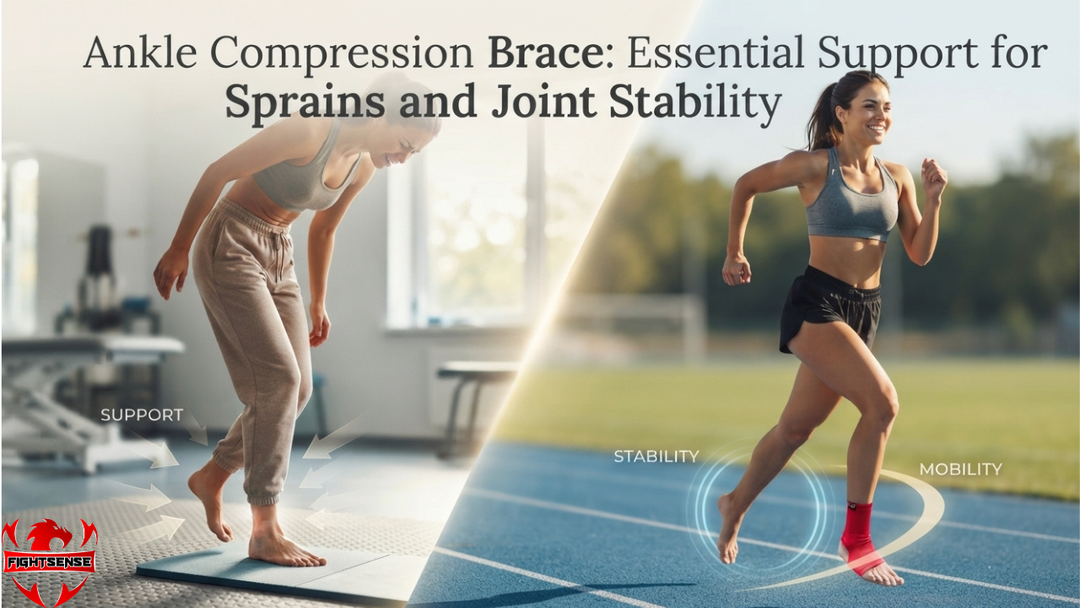
Ankle Compression Brace: Essential Support for Sprains and Joint Stability
Recovering from a sprain or managing chronic joint instability can turn everyday walking into an uncomfortable chore. Whether you are stepping onto the basketball court or simply navigating a flight of stairs, the right ankle compression brace provides the targeted pressure and structural stability required to keep you moving with confidence. Unlike bulky medical casts, modern compression sleeves and supports—such as those engineered by FightSense—blend medical-grade elasticity with ergonomic design, offering relief without sacrificing mobility.
Understanding Ankle Support: Sleeves vs. Stabilizers
Ankle supports are not one size fits all. What gear you need depends entirely on the form of your ailment and how active you are each day. Compression sleeves mainly function to enhance blood flow, minimize edema, and offer light proprioceptive feedback. They are mostly made of elastic fabric. In contrast, ankle stabilizers with straps or laces have solid or semi-rigid stays that physically inhibit harmful rolling movements (inversion and eversion).
When to Use Compression Sleeves
Compression sleeves are perfect for mild discomfort, arthritis, and general weariness. They're thin and light so they go right into your regular athletic shoes and work boots. They are good at keeping blood moving during lengthy runs or stints standing on hard floors.
When to Choose Structural Stabilizers
A basic sleeve will not provide enough protection if you are recuperating from a Grade 2 sprain or have chronic ankle instability. You’ll want to lock the joint in place with a lace-up brace with figure-eight strapping techniques that mirror elite athletic taping.
Top Ankle Compression Braces Compared
|
Product Type |
Best For |
Level of Support |
Breathability |
Shoe Compatibility |
|
Neoprene Sleeve |
Arthritis & mild aches |
Light to Moderate |
Moderate |
High (All shoes) |
|
Knit Compression Support |
Daily wear & swelling |
Light |
High |
High (All shoes) |
|
Lace-Up Stabilizer |
Sprain recovery & sports |
Maximum |
Moderate |
Medium (Roomy shoes) |
|
Hinged Athletic Brace |
Severe instability |
Maximum |
Low |
Low (Specialty fit) |
The FightSense Advantage: Quality and Durability
When searching for training and recovery gear, brand reliability is just as important as fabric composition. FightSense has gained a good reputation in the fitness sector for delivering durable, high-performance athletic equipment for athletes and ordinary gym goers. FightSense’s premium ankle compression brace is made from breathable, moisture-wicking textiles to avoid slippage during intensive workouts. If you’re lifting big weights or jogging outdoor trails, the equipment with ergonomic perfection will keep your joints secure without cramping your natural stride.
How to Properly Wear and Fit Your Brace
Getting the right fit will offer maximal therapeutic benefit without cutting off your circulation. To ensure your support is appropriate, follow these steps:
- Check your skin: Make sure your ankle is clean and dry, and free of any open sores or lotions that could cause it to slide.
- Orient brace: Find the heel pocket or specified top hole. Most sleeves have a molded heel design that needs to fit the rear of your foot exactly.
- Slide the support over your foot like a sock, pull it on gently, making sure not to pull too hard on the delicate upper seams.
- Adjust Straps: If your model has cross-straps or Velcro closures, fasten them in a figure eight pattern. The tension should feel snug and supportive—not so tight that your toes are numb or discolored.
Pros and Cons of Ankle Compression Braces
Pros
- Reduces Swelling: Targeted compression helps to reduce the build-up of fluid in the damaged joint tissue.
- Pain Relief: Light pressure warms the muscles and tendons, releasing stiffness.
- Better Joint Awareness: Increased agility avoids inadvertent blunders.
- Cost-Effective: Much cheaper than repeated physical therapy taping sessions.
Cons
- Bulkiness: High support models can feel restrictive inside narrow fashion footwear.
- Skin Irritation: Using inferior neoprene for long periods may cause excessive sweating and skin rashes.
- Temporary Fix: Braces help manage discomfort and protect recovering tissue, but they do not replace rehabilitative strengthening activities.
Expert Tips for Faster Ankle Recovery
- Incorporate Balance Training: Once acute pain subsides, practice single-leg stands on a balance board to retrain the stabilizing muscles surrounding the joint.
- Wash Regularly: Hand wash your compression gear in cold water with mild soap and let it air dry to preserve the elasticity of the fibers.
- Listen to Your Body: A supportive brace is a tool for recovery, not a green light to ignore sharp pain. If an activity hurts, stop and consult a medical professional.
Common Mistakes to Avoid
- Wearing It Too Tight: Straps that are too tight cut off blood flow, which actually hinders healing and makes swelling worse.
- Sleeping in the Brace: Unless specifically told to do so by an orthopedic doctor, take your brace off at night to allow your skin to breathe and not limit circulation.
- Picking the Wrong Size: If you guess your size, you’ll get poor compression. Always measure the circumference of your arch and ankle, following the manufacturer’s sizing chart.
FAQs:
How many hours a day should I wear an ankle compression brace?
A lightweight compression sleeve can also be worn comfortably for several hours while at work or during physical exercise. However, avoid wearing heavy stabilizers all day unless directed by a doctor, as prolonged immobilization can weaken surrounding muscles.
Can I put a compression brace under my running shoes?
Yes, breathable knit or thin neoprene compression sleeves are designed to fit comfortably inside normal running shoes and sporting sneakers.
An ankle brace won’t make your muscles weaker.
Lightweight compression sleeves do not induce muscle atrophy as they enable complete motion. If you wear rigid stabilizers for months when you don’t need them, they can decrease the use of muscles, so as you heal you should wean yourself off of them.
How can I know whether my brace is the correct size?
A correctly-sized brace should feel like a strong hug around your joint. If it slides down easily, it is too big. If it leaves deep indentations, sends tingling, or makes your toes cold, it’s too small.
Is it okay to wear a compression brace over a sock?
In general, compression sleeves should be worn directly against your skin to ensure the best therapeutic pressure and to avoid bunching within your shoe.
Are ankle compression braces good for arthritis?
Yes, these braces are warm, light compression, and are good for soothing arthritic joint stiffness as well as a reduction in everyday inflammation.
Should I ice my ankle with the brace on?
Remove the brace before using ice packs so that cold therapy can directly and effectively enter the skin and soft tissues.
Can I machine wash my ankle compression support?
Most nylon and spandex blends like a light hand wash. If you need to use a washing machine, place the brace in a mesh laundry bag and run it on a cold, delicate cycle.
Conclusion:
Selecting the correct ankle compression brace is a balance between your unique injury degree and the needs of your everyday lifestyle. Invest in solid exercise gear from established names such as FightSense, prioritize a proper fit, and couple your support with targeted therapy so that you can step ahead with renewed stability and comfort.
Note:
This blog is for general information only and does not replace professional medical advice—consult a healthcare professional for personalized guidance.