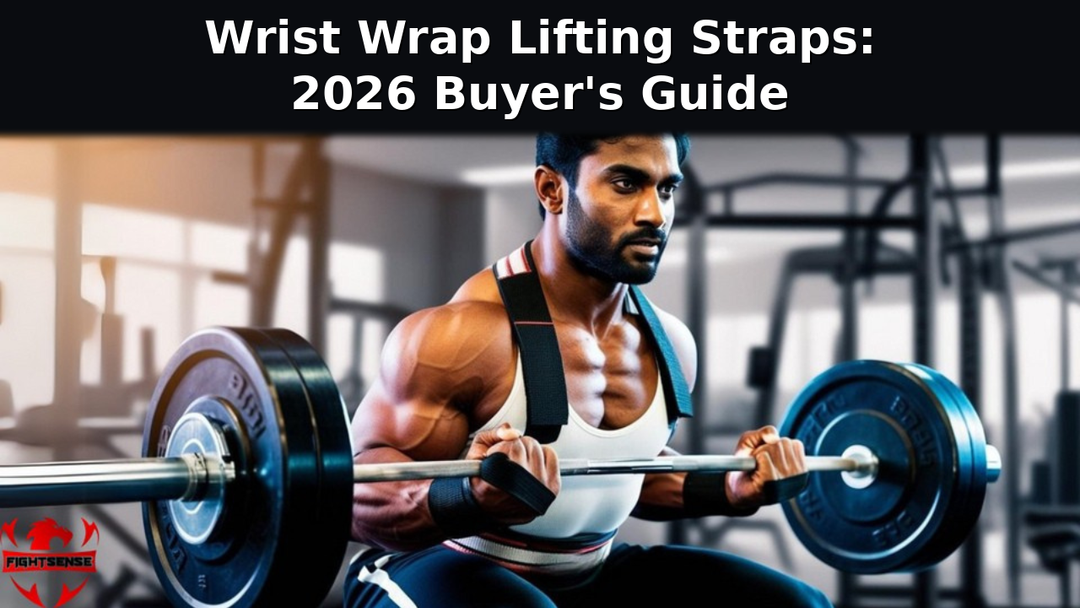
Wrist Wrap Lifting Straps: 2026 Buyer's Guide
Your grip gives out before your muscles do. The bar slips, your wrists bend back, and a set that should have built strength ends early. That is the exact problem wrist wrap lifting straps solve: they steady the wrist and help your hands hold on, so you can finish the lift with control. This guide explains what they are, when to use them, and how to pick the right pair for your training.
Keynotes
- Wrist wraps steady the wrist during pressing, while lifting straps help your hands hold the bar on heavy pulls.
- Use wraps for the bench press and overhead press, and straps for deadlifts, rows and shrugs.
- Wrap snugly, not painfully tight, and leave enough room to move your fingers freely.
- Train your raw grip too, so you build real hand strength instead of relying on gear for every set.
- Match the gear to the lift: support for pressing, grip help for pulling, and both on your heaviest days.
What Are Wrist Wraps and Lifting Straps?
Wrist wraps are wide, elastic bands that wrap around the wrist and fasten with a hook-and-loop closure. They keep the wrist near a neutral position under load. Lifting straps are loops or strips that wrap around the bar and your wrist, linking your hand to the bar so a heavy pull does not end the moment your fingers tire. If you want the fuller picture, the hand and wrist wraps support guide explains wraps in more depth.
Many lifters use the two tools together, and wrist wrap lifting straps are simply the pair used as a set: wraps for wrist stability on presses, straps for grip on pulls. They are training aids, not a substitute for good form, and they work best when your technique is already sound.
How Wrist Wrap Lifting Straps Work
On a press, a wrap acts like a firm brace: it limits how far the wrist can bend backward, and hyperextension is when a joint bends past its normal range. When the wrist stays straighter, the bar sits over the forearm instead of behind it, and the press feels more stable.
On a pull, a strap shortens the job your fingers must do. The strap carries part of the load, so your back and legs can keep working after your grip would have quit. Used well, the set ends because the target muscles are tired, not because your hands opened.
Why Use Them?
There are two honest reasons to reach for them: steadier wrists and a longer-lasting grip. A good set of wrist wrap lifting straps helps with both, because the wrap steadies the joint while the strap takes some of the load off your fingers. For heavy pulls, the deadlift belt guide covers the belt side of the same lift.
- Steadier presses: wraps keep the wrist from bending back under the bar.
- Longer pulling sets: straps let you finish rows and deadlifts when your hands would otherwise open.
- More focus on the target muscle: when you stop worrying about the bar slipping, you can drive through the lift.
- Comfort on heavy days: firm, even support feels better than a wrist that aches after every set.
Benefits of Wrist Wraps and Lifting Straps
The payoff is practical. When your grip stops being the limit, your back, legs and chest get the work you planned. Many lifters find that wrist wrap lifting straps help them add reps to pulling movements and hold better positions on pressing movements, which makes training more productive week after week.
They also help you stay consistent. Sore wrists and worn hands are common reasons people skip sessions, and support that keeps your hands comfortable makes it easier to show up for the next workout. Lifters who press often usually start with a pair of premium wrist wraps for gym training. That said, gear never replaces rest: if a wrist hurts during a lift, stop, and get it checked by a professional if the pain keeps coming back.
Wrist Wraps vs. Lifting Straps: What Is the Difference?
Wraps support the wrist; straps support the grip. Wraps are for pressing movements such as the bench press and overhead press. Straps are for pulling movements such as deadlifts, rows and shrugs. If your wrists bend back on a press, you need wraps. If the bar rolls out of your hands on a pull, you need straps. On a heavy training day, many lifters use both. For a closer look at how the main grip tools compare, read this pro grips vs. straps comparison.
How to Choose the Right Pair for Your Lifts
Choosing Wrist Wrap Lifting Straps for Your Training
Start with the lifts you do most. Pressing calls for a wrap that feels firm and stays put; pulling calls for a strap that cinches quickly and releases just as fast. Look for durable, breathable material, strong stitching and a hook-and-loop closure that holds through a whole session. Keep length in mind too: longer wraps give firmer support, while shorter ones feel less restrictive.
If you train at home or in a commercial gym, try the wrap on before a heavy set and press your palm flat: it should feel snug, not numb. A pair of weightlifting wrist straps built for comfort is a sensible pick for heavy pulling days, while lifters who want both grip and hand cover can look at lifting gloves with built-in straps.
How to Use Them Safely
Wrap the band around your wrist just below the palm, overlapping each pass by about half the width, then fasten it so the wrist feels supported but your fingers still move freely. Loop a strap around the bar, twist it snug, and pull your hand in tight before you lift.
As a simple rule, use wrist wrap lifting straps only when the weight calls for them: heavy working sets, not warm-ups or light technique work. Wrapping up for every set can leave your raw grip undertrained, so give your hands regular work without support, and stop if you feel pain or numbness.
After training, loosen the wraps straight away and let your wrists move freely. If you are coming back from a wrist injury, read the sprained wrist wrap guide and build back up gradually.
Why Lifters Choose FightSense for Wrist Support That Holds Up Through Heavy Training
Good gear should disappear into your training: it fits, it holds, and you stop thinking about it. That is what FightSense aims for, with wraps and straps made for lifters who train hard and want kit that lasts beyond a few sessions. The store is based in Tucker, Georgia, at 5002 North Royal Atlanta Drive, Suite N, and its team answers at 6783536985 — real people behind the gear you lift with.
Ready to Lift Heavier With Steady Wrists?
Grab the wraps lifters trust for pressing and pulling days, and feel the difference from your very next set. Plus, orders above $100 ship free at FightSense.
Conclusion
Wrist wrap lifting straps are a small addition that can change how your heavy sets feel: steadier wrists on presses, a stronger hold on pulls, and more of your effort going into the muscles you are training. Choose the right pair for your lifts, use them when the weight earns it, and keep training your raw grip so the gear stays a tool, not a crutch.
Start with one good pair, learn to wrap it well, and your next heavy day will feel noticeably more controlled.
FAQs
What are wrist wraps and lifting straps used for?
Wrist wraps steady the wrist during pressing movements, while lifting straps help your hands hold the bar during heavy pulls such as deadlifts and rows.
Can beginners use wrist wraps and lifting straps?
Yes. Beginners can use them on heavy sets, but it is still worth building raw grip and wrist strength with lighter, unsupported work first.
Do lifting straps replace grip training?
No. Straps help you finish a heavy set, but your grip only gets stronger when you also train without them, for example on warm-ups and lighter sets.
Are wrist wraps safe to wear for every workout?
They are safe when they fit snugly without cutting off circulation, but wearing them for every set can leave your wrists and grip undertrained, so save them for your heavier lifts.
How tight should wrist wraps be?
Snug enough to keep the wrist from bending back, but loose enough that your fingers move freely and do not go numb or tingle.
Can I wear wrist wraps for deadlifts?
Wraps are made for pressing, not pulling, so they add little on a deadlift. Straps are the better choice there because they help your hands hold the bar.
How do I put on lifting straps?
Loop the strap around the bar, twist it snug, then wrap your hand over it and pull tight before you lift. Release the strap as soon as you finish the set.
How do I wash wrist wraps and lifting straps?
Hand wash them in cool water with mild soap, rinse well and let them air dry. Avoid machine washing and high heat, which can wear out the elastic and hook-and-loop fastening.