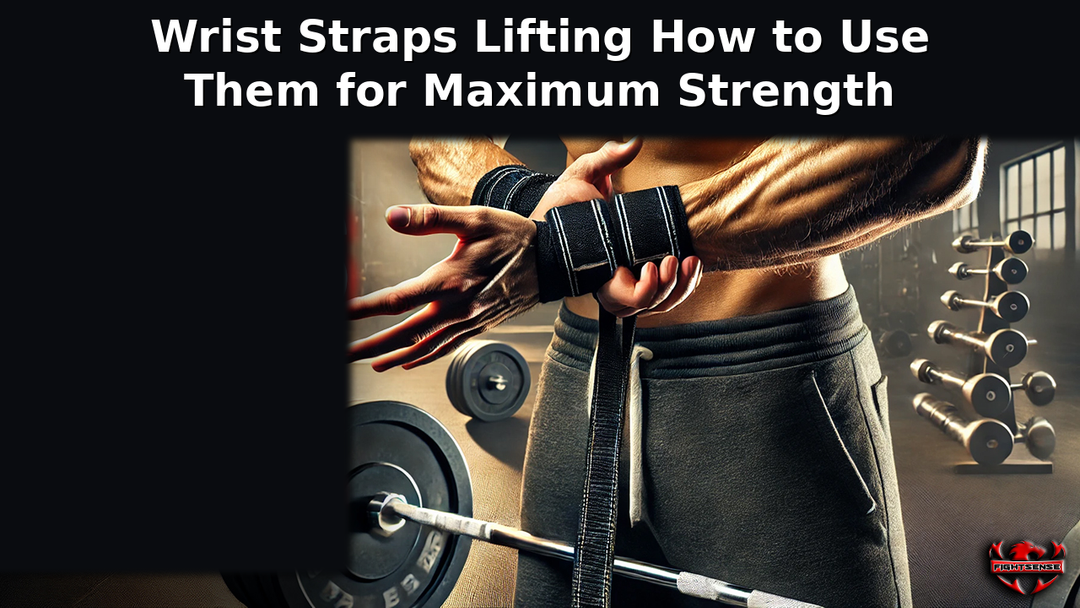
Wrist Straps Lifting How to Use Them for Maximum Strength
If your grip gives out before your back or legs do, wrist straps can change your training. In this guide, you will learn wrist straps lifting how to use them the right way, so you can pull heavier, row stronger and finish every heavy set with confidence.
A good pair of straps does not replace grip training. It simply removes the weak link on your heaviest sets, letting your target muscles do the work they are ready for.
Keynotes:
- Lifting straps transfer the load from your fingers to your wrists, so your grip stops failing first.
- Wrap the strap snugly around the bar, not your wrist, and keep one or two tight coils for a secure hold.
- Use straps on heavy pulls, rows and shrugs — not on warm-ups or every set.
- Build raw grip strength alongside straps, so you get stronger instead of dependent.
What Are Lifting Wrist Straps?
If you have ever searched for wrist straps lifting how to use them, start with the basics: a lifting strap is a strong cotton, nylon or leather loop that connects your wrist to the bar, sharing the load so your fingers are no longer the weak link.
A well-made pair, such as the FIGHTSENSE weightlifting straps, uses thick, durable material that stays comfortable under heavy loads and will not stretch or snap mid-set.
Loop, Lasso and Figure-8 Straps: Which Style Suits You?
Loop straps are the simplest to learn and suit most lifters. Lasso straps tighten as you twist them around the bar and give a firmer lock for heavy deadlifts. Figure-8 straps loop around the wrist and bar twice, offering maximum security for very heavy pulls, but they take longer to set up and release.
Wrist Straps Lifting How to Use Them: A Step-by-Step Guide
Mastering wrist straps lifting how to use them takes one or two practice sets with a light weight. Follow these four steps and the wrap will feel natural within a single session.
- Slide the loop over your hand and settle the strap flat against the back of your wrist, with the tail pointing toward your fingers.
- Place your hand on the bar, then wrap the tail around the bar away from you, keeping each coil tight and close together.
- Roll the bar slightly toward you to pull the coils snug, then close your hand over the bar in your normal grip.
- Lift with a straight wrist and a firm grip. To release, simply open your hand and unwind the strap.
Wrist Straps Lifting How to Use Them on Deadlifts and Rows
On deadlifts, wrap both straps before you set your hips, then drive through your heels without letting the bar roll in your hands. For barbell and dumbbell rows, one tight wrap per hand is enough. Our step-by-step guide to wrapping wrist straps shows the hand positions in more detail.
Getting the Wrap Tension Right
The wrap should feel snug, not numb. If your fingers tingle or the strap digs into your skin, loosen it by half a turn. A pair of supportive wrist wraps for the gym can help if your wrists themselves need extra stability during pressing movements.
When to Use Lifting Straps — and When to Leave Them Off
The simplest rule for wrist straps lifting how to use them without weakening your grip is to save straps for your heaviest working sets, and train your bare grip on warm-ups and lighter work.
- Deadlifts, rack pulls and heavy shrugs
- Barbell rows, dumbbell rows and lat pulldowns
- Any heavy pull where your grip fails before your target muscles do
Skip straps on warm-ups, grip training and light accessory work. If you are unsure whether a lift calls for straps or wraps, read our wrist straps vs wrist wraps comparison before your next session.
Common Mistakes That Weaken Your Grip and Your Lifts
A quick refresher on wrist straps lifting how to use them before a heavy set can save you from the three mistakes below.
- Wrapping too loosely: a slack strap lets the bar roll and does nothing for your grip.
- Wrapping the strap around your wrist instead of the bar: the bar is what the strap must lock onto.
- Using straps on every set: your grip never gets a chance to grow stronger.
Why Cheap, Stretchy Straps Hold You Back
Thin straps stretch under load, slip at the worst moment and leave marks on your wrists. Invest in thick, stitched straps and replace them when the edges fray or the loop loses its shape.
How to Choose the Right Lifting Straps
Once you understand wrist straps lifting how to use them, the strap itself matters. Look for thick cotton or nylon, reinforced stitching, a comfortable loop and a length of about 20 to 24 inches.
Hook-style straps suit lifters who struggle to wrap quickly. Our lifting straps with hooks combine a secure hook with a strap, so the bar sits firmly in your hand. For a second opinion, this independent roundup of the best lifting straps compares popular styles and materials.
If you compare options, check the best wrist wraps for lifting too — wraps support the wrist joint, while straps support your grip, and many lifters use both.
Straps vs Wraps: Know the Difference Before You Buy
Straps connect your hand to the bar; wraps brace your wrist joint. Use straps for pulling movements and wraps for heavy pressing. Our weight lifting belt guide explains another support tool that pairs well with straps on maximal deadlifts and squats.
For heavy squats and deadlifts, a reliable weight lifting belt adds core support while your straps handle the grip — a combination that helps many lifters move more weight safely.
Why Lifters Who Want a Stronger Grip Choose FightSense Wrist Straps for Heavy Training
At FightSense, we build training gear for lifters who refuse to let a weak grip decide how much they can lift. Our wrist straps use thick, durable materials, reinforced stitching and a comfortable fit that stays secure through deadlifts, rows and shrugs. Whether you are chasing your first 315-pound deadlift or adding reps to your heaviest sets, FightSense straps give you the confidence to pull hard, hold on and finish every rep strong — without paying premium-brand prices.
Ready to Lift Heavier With a Stronger Grip?
Your next personal record is one secure grip away — wrap up, lock in and lift with FightSense today.
Shop Wrist Straps NowConclusion: Lift Heavier, Grip Stronger and Train With Confidence
Wrist straps are a simple tool with a big payoff: when they are wrapped correctly and used on the right sets, they let your back, legs and glutes work at full strength instead of stopping when your hands tire. Practice the wrap, save straps for heavy pulls and keep training your raw grip. Do that, and your grip will stop being the reason a lift fails.
Frequently Asked Questions About Wrist Straps for Lifting
How do I use wrist straps for deadlifts?
Slide the loop onto your wrist, wrap the tail tightly around the bar away from you, roll the bar toward you to lock the coils, then grip and lift. Practice with a light weight first so the wrap feels natural before your heavy sets.
Should beginners use lifting straps?
Beginners can use straps on heavy pulls, but they should not rely on them for every set. Learn the basic lifts with a bare grip first, then add straps only when grip failure limits your strongest sets.
Do lifting straps weaken your grip?
Straps only weaken your grip if you use them on every set. Use them for heavy working sets and keep training your grip with warm-ups, holds and lighter work, and your grip will keep getting stronger.
How tight should wrist straps be?
Straps should feel snug and secure without cutting off circulation. If your fingers tingle or go numb, loosen the wrap by half a turn and re-check your wrist position before lifting.
Can I use wrist straps for pull-ups and rows?
Yes. Straps work well for pull-ups, lat pulldowns and all types of rows, because they take the load off your fingers and let your back muscles do more of the work.
What is the difference between wrist straps and wrist wraps?
Wrist straps connect your hand to the bar to improve your grip on pulling movements. Wrist wraps brace the wrist joint for support during pressing movements such as bench press and overhead press.
How do I clean and care for lifting straps?
Hand wash straps in mild soap and warm water, then air dry them away from direct heat. Check the stitching regularly and replace straps when they fray, stretch or lose their grip.
Are lifting straps allowed in powerlifting competitions?
No. Most powerlifting federations do not allow lifting straps in competition, so train your raw grip as well and treat straps as a training tool for building strength outside the platform.