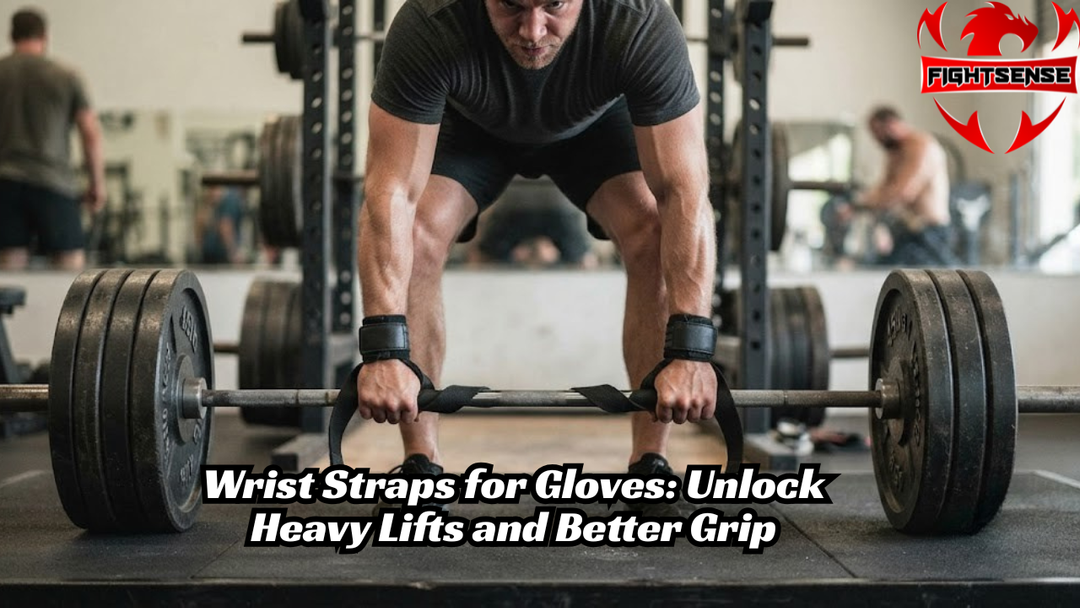
Wrist Straps for Gloves: Unlock Heavy Lifts and Better Grip
If you have ever missed a personal record on a deadlift or heavy row simply because your fingers slipped, you know the frustration. Your back and hamstrings still have plenty of power left, but your grip gives out first. This is a common bottleneck in strength training. Fortunately, using wrist straps for gloves can completely change how you approach pulling movements.
Unlike standard lifting straps that can feel bulky or interfere with your hand protection, combining dedicated support with your favorite lifting gloves bridges the gap between raw grip endurance and absolute comfort. In this guide, we will explore everything you need to know about choosing, integrating, and utilizing wrist support accessories to elevate your performance safely and effectively.
What Are Wrist Straps for Gloves?
When lifters talk about wrist straps, they are typically referring to fabric or leather bands designed to anchor your hands securely to a barbell, dumbbell, or pull-up bar. When we look specifically at wrist straps for gloves, we are examining accessories built to complement hand protection, or hybrid designs that merge wrist stabilization with palm padding and strap integration.
These tools serve two primary functions:
- Wrist Stabilization: Keeping the joint neutral under heavy axial loads.
- Grip Assistance: Mechanical locking of the hand to the bar to bypass forearm and finger fatigue.
Benefits of Using Wrist Straps with Gym Gloves
Integrating wrist support with hand protection offers distinct advantages for both novice lifters and seasoned powerlifters alike.
1. Enhanced Grip Endurance
Your forearms naturally fatigue faster than major muscle groups like your lats, traps, and glutes. Straps allow you to bypass forearm failure so you can complete your prescribed repetitions on deadlifts, shrugs, and rows.
2. Reduced Blisters and Calluses
Heavy pulling friction quickly tears up unprotected skin. Pairing straps with durable workout gloves protects your palms while maintaining a secure connection to knurled steel.
3. Joint Protection and Stability
Heavy pushing and pulling places immense shearing stress on the wrist joint. Supportive wraps minimize excessive extension, lowering the risk of sprains or tendonitis over time.
How to Choose the Right Support System
Selecting the correct gear depends heavily on your training style and specific gym goals. When upgrading your equipment bag, exploring reliable options from a specialized fitness brand like Fightsense—known for providing high-quality weightlifting gears—makes it easy to find durable wrist straps for gloves designed to withstand heavy daily use. Consider the following factors before making a purchase:
- Material Durability: Cotton offers breathability and comfort, nylon provides slick, heavy-duty durability, and leather delivers premium longevity.
- Closure Type: Hook-and-loop (Velcro) straps offer rapid adjustability, while traditional loop straps provide secure, old-school reliability.
- Padding Thickness: Ensure the palm padding on your gloves is not too thick, as excessive material can actually widen your grip circumference and make holding the bar harder.
Get Yours Now!
Gloves vs. Separate Straps
|
Feature |
Integrated Glove-Straps |
Separate Gloves + Lifting Straps |
|
Setup Speed |
Fast; ready to wrap immediately |
Moderate; requires putting on straps separately |
|
Versatility |
Highly versatile; can remove straps for pushing |
|
|
Grip Security |
Moderate to High |
Maximum (can secure multiple wraps around bar) |
|
Durability |
Good for general bodybuilding |
Exceptional for heavy powerlifting |
Step-by-Step Guide: How to Properly Use Lifting Straps
Mastering the setup ensures safety and efficiency during your heavy working sets.
- Thread the Strap: Pass the end of the strap through the metal loop to create a secure circle.
- Secure Your Wrist: Slide your hand through the loop so that the strap rests snugly against the base of your wrist, with the tail falling down your palm.
- Approach the Bar: Position yourself at the barbell or pull-up bar.
- Wrap and Twist: Place your hand over the bar, bring the tail of the strap under the bar from back to front, and twist it tightly around the knurling.
- Lock It In: Rotate your hand forward to tighten the slack. Your grip should now feel mechanically locked to the steel.
Pros and Cons
Pros
- Instantly increases pulling strength on deadlifts and rows.
- Prevents painful skin tears and severe calluses.
- Stabilizes the wrist joint during heavy pressing movements (if using supportive wraps).
- Boosts overall workout confidence under maximal loads.
Cons
- Over-reliance can stunt natural forearm and grip strength development.
- Can take extra time to set up between rapid-fire sets.
- Poorly stitched materials can fray under extreme weights (over 400 lbs).
Expert Tips for Maximizing Grip Strength
While straps are fantastic tools, smart athletes use them strategically rather than as a permanent crutch.
- Save Them for Working Sets: Perform your warm-up sets completely raw (without straps) to naturally condition your forearms and hands.
- Keep Your Thumbs Engaged: Even when using straps, wrap your thumb securely around the bar for optimal kinetic linkage.
- Incorporate Direct Grip Work: Add exercises like farmer's carries, plate pinches, and dead hangs at the end of your workouts to build independent hand strength.
Common Mistakes to Avoid
- Relying on Straps for Every Exercise: Using straps on light bicep curls or lightweight warm-ups robs your forearms of valuable growth stimulation.
- Wrapping Over the Smooth Part of the Bar: Always wrap your straps over the knurling (textured section) to prevent the fabric from slipping.
- Neglecting Proper Wrist Placement: Ensure your wrist wraps sit directly on the joint rather than too far up your forearm, which reduces stabilization effectiveness.
Conclusion:
Maximizing your physical potential in the gym requires the right combination of effort, programming, and gear. Incorporating quality wrist straps for gloves into your routine eliminates the weak link in your kinetic chain, letting you lift heavier, train safer, and push past stubborn plateaus. Remember to balance strap usage with natural grip training for optimal, well-rounded development.
FAQs:
1. Do wrist straps weaken your grip?
Using straps exclusively for your heaviest working sets will not ruin your grip strength, provided you still perform warm-up sets and accessory work unassisted. However, relying on them for 100% of your pulling movements can slow forearm development.
2. Can lifting straps for bench pressing?
No. Lifting straps are designed to anchor your hands to a bar during pulling movements. For bench pressing or overhead pressing, you need wrist wraps, which stabilize the joint against heavy downward pressure.
3. Are leather or nylon straps better?
Nylon is typically more durable and allows for a tighter, smoother wrap around the bar. Leather offers a classic feel and exceptional durability, though it requires a brief break-in period.
4. How do clean sweaty gym gloves and straps?
Most synthetic and cotton straps can be hand-washed in warm water with mild detergent and air-dried. Avoid machine drying, as high heat can warp synthetic fibers and ruin leather padding.
5. Do wrist straps help with pull-ups?
Yes! When your back has plenty of endurance left but your forearms give out during high-rep pull-up sets, straps help you squeeze out extra quality repetitions.
6. Are integrated glove-straps better than traditional straps?
It depends on your preference. Integrated options offer convenience, while traditional separate straps allow for a tighter, more customized wrap around thick bars.
7. Can beginners use wrist straps?
Beginners can use them safely if they struggle with grip fatigue on heavy deadlifts, but building foundational grip strength should remain a priority early in a fitness journey.
Disclaimer:
This article is for informational purposes only. Consult a professional before starting any fitness program or using heavy lifting gear.