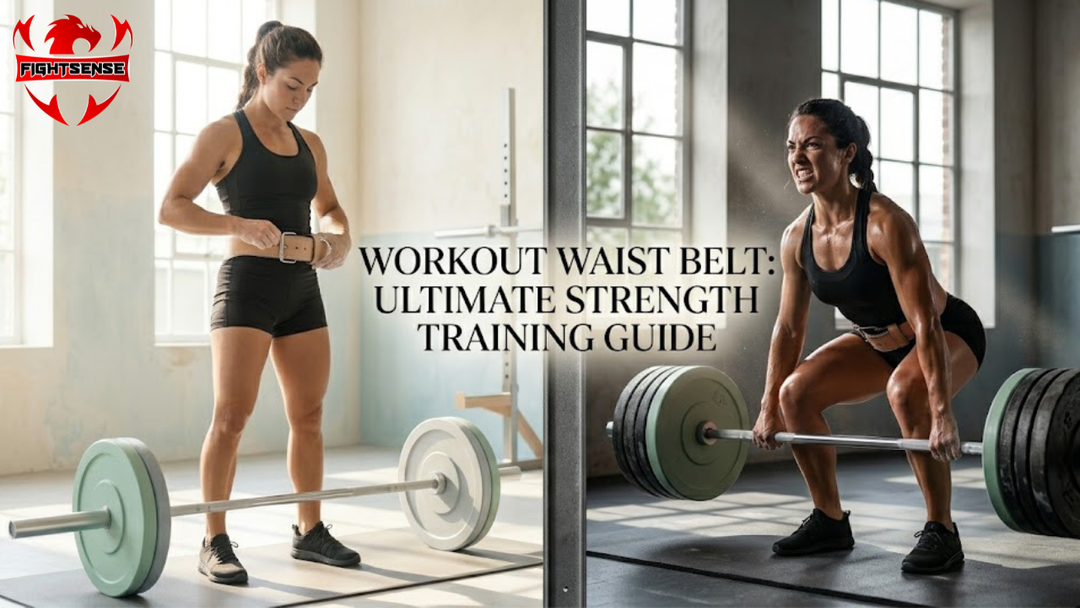
Workout Waist Belt: Ultimate Strength Training Guide
Workout Waist Belt is something you’ve probably heard about if you’ve been training in the gym or just starting your fitness journey. Some lifters say it’s essential, while others believe it’s unnecessary.
So what’s the real truth?
The answer isn’t black or white. It depends on how you train, what your goals are, and how heavy you lift. In this guide, we’ll break everything down in a simple, practical, and conversational way so you can decide whether this gym support gear is right for you or not.
Key Takeaways:
- A Workout Waist Belt is most effective during heavy compound lifts, not every exercise.
- Proper form and core strength should always come before using any support gear.
- Belts help improve stability and control, especially under maximum load.
- Overusing a belt can slow down natural core development over time.
- Smart training is about balance—using support gear only when it truly adds value.
What is an exercise waist belt and why do people use it?
The Workout Waist Belt is a workout gear that helps to support your lower back and core when doing heavy lifting activities. It fits snug around your waist and helps build intra-abdominal pressure as you engage your core.
This pressure stabilises your back and relieves your lower back when lifting weights.
In layman's terms it provides your core with a support system when you are lifting hefty weight.
It is generally used because:
- more stability when lifting
- Helps maintain correct posture
- Less chance of back strain
- Heavy sets confidence
But it's not for every exercise, or every lifter.
Do You Actually Need a Gym Workout Training Belt?
This is one of the most asked questions in the fitness
The honest answer: it depends on how much you train and what your goals are.
You might want an exercise waist belt if:
- You are working with heavy weight (80% or more of your max).
- You’re frequently doing squats, deadlifts or overhead presses
- You are into strength training or powerlifting
- You desire more support during your max effort lifts
You might not need it if:
- You are a newbie
- You train with light weights or moderate weights
- Thinking about fat loss or just general fitness
- You still are learning good form.
So, the belt is not necessary for everyone – it comes in handy when you start ramping up your exercise intensity.
When Should You Really Use a Gym Support Belt?
A big mistake beginners make is wearing a belt all the time. That's not the way to use it.
A Workout Waist Belt should only be used when:
- squats heavy
- Deadlifts (heavy)
- Maximum effort lifts
- Near failure comes
- Strength testing sessions.
Think of it like gym safety equipment, you just wear it when the load gets tough, not for every action.
Can a Workout Waist Belt Make You Stronger?
No direct.
A belt does not give you muscle strength. Instead it allows you to work better while heavily loaded.
It enables you to:
- Safely lift greater weights
- Improve your posture
- Minimise fear of harm
- Improve compound lift performance
This can help you get stronger indirectly in the long run because you can workout better.
But true strength still comes from:
- Proper training programme
- Progressive overloading
- Adequate Nutrition
- Recovery and consistency
So the belt is a support device, not a strength booster.
Can gym support gear prevent injuries?
A belt can help lower the chance of damage, but it will not prevent injury altogether.
It assists in:
- Supporting your lower back
- Stabilise Your Spine
- Lift raises core pressure
Injuries can still occur if:
- You are filling the form incorrectly
- You lift too hard, too early
- You miss warm-up
- You rely on the belt, not on technique
So the correct attitude is:
The belt holds you, but your technique protects you.
How Tight Should a Weightlifting Belt Be?
This is crucial and often misinterpreted.
A belt must be:
- Snug enough to give good support
- Loose enough to breathe deeply and engage your core
Easy exam is:
If you can't breathe and you have to press your stomach a bit against the belt, it's too tight.
The main benefit of the belt is that you can induce intra-abdominal pressure if you're tight enough.
Why Choose Advanced Lifting Support Gear Over Generic Waist Belts?
When it comes to serious training, a fitness brand like Fightsense focuses on performance-driven lifting equipment instead of basic fitness accessories. It provides high-quality advanced lifting belts and training support belts designed specifically for real gym demands.
These two options are created to support different training needs:
- Advanced Lifting Belt (for heavy strength training)
- Training Support Belt (for regular gym workouts)
Both are designed to help lifters improve stability, safety, and overall performance during heavy and consistent training sessions.
Are Workout Waist Belts Safe for Beginners?
Yes, but with care.
Beginners can use a belt but only while lifting heavy weights. But don’t count your chickens before they hatch.
What?
For one thing:
- Core muscles may not grow well
- Learning technique may slow down
- Support dependency may increase
Best way for newbs:
First focus on:
- correct form.
- Core strengthening
- Slow weight development
Then add a belt when your lifts get hard.
Does a Weightlifting Belt Replace Core Training?
No, it does not.
A belt supports your core, but it does not train it.
Your core still needs to be trained through:
- Planks
- Dead bugs
- Hanging leg raises
- Compound lifts without belt
Think of the belt as assistance, not a replacement.
Final Thoughts:
A support belt helps with heavy lifting, but is not essential for all exercises. Build up form and core strength first, then apply it to bring stability to hard workouts.
Brands like Fightsense provide superior training assistance gear meant to aid lifters enhance safety and performance in the gym.
Disclaimer:
This blog is for informational purposes only. Consult a fitness professional or healthcare provider before using a workout waist belt, especially if you have back issues.
FAQs:
1. When should I use a lifting belt?
During heavy compound exercises like squats, deadlifts, and overhead presses.
2. Does wearing a belt improve performance?
It improves stability and helps you lift more safely under heavy load.
3. Should I wear it for every set?
No, using it all the time can limit natural core strength development.
4. Is core training still necessary if I use a belt?
Yes, core training is essential for strength, balance, and injury prevention.