
Workout Waist Belt: Maximize Results & Support Safely
13th Mar 2025
Seeking more help with your exercises? Your new exercise buddy might be a waist belt! A gym training belt for ladies gives support and stability whether your lifting weights or working on core strength. From what it is, why to wear one, and how it can boost up your fitness game, this piece will cover all about the workout waist belt.
Key Highlights:
-
Increases core support during exercises.
-
Perfect workout belt for women aiming at strength development
-
Improves posture and lowers injury risk; accessible adjustable and breathable designs
-
Not for 24/7 usage; use deliberately during workouts.
-
24/7 wear—use strategically during workouts
What is a Workout Waist Belt?
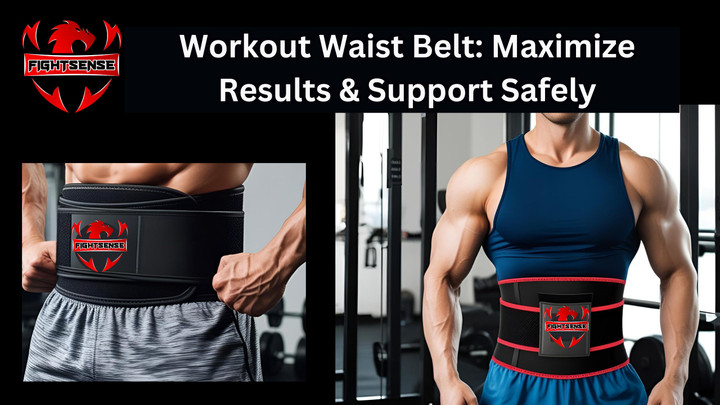
A workout waist belt is a tool meant to assist your lower back and core during exercises. Many women's fitness belts are made with breathable materials and adjustable straps, which makes them comfortable and safe.
A workout waist belt emphasizes more on support and injury prevention than some others, who mistake them with waist trainers.
How to Pick the Best Women's Workout Waist Belt
- Choosing a training belt that fits your physique and workout needs will provide you the most benefits. Think about the following:
- Fit and Design: Choose belts that are shaped to fit a woman's waist for comfort and superior support.
- Material: To keep comfortable during hard workouts, go for textiles that breathe and wick away sweat, like neoprene or mesh.
- Adjustability: You can easily change the fit of the closure using Velcro or hook-and-loop closures depending on how hard you are working out.
- Choose a belt based on the kind of workout you do, like HIIT, heavy lifting, or core training.
Things to Avoid When Using Workout Waist Belts
- Avoid these typical mistakes to get the most out of your work and avoid problems:
- Wearing the Belt Too Often: Relying on it too much can weaken your core Only use it when you need to.
- If the belt is overly tight or worn too high or low, it won't support you correctly.
- Using It as a Waist Trainer: It's not a fat burner; it's for safety and support as you lift weights.
- Ignoring Form: A belt helps, but it doesn't replace good form. Always keep your back straight.
Why Use a Workout Waist Belt?
1. Support and Stability
A workout waist belt stabilizes your spine, making it safer to lift weights or perform high-intensity exercises.
2. Enhanced Performance
Wearing a gym workout belt can help you lift heavier weights by increasing intra-abdominal pressure, giving you a stronger core base.
3. Posture Improvement
A women's workout belt encourages proper form, reducing the risk of injury and strain, especially during deadlifts or squats.
Where and How to Use a Workout Waist Belt?
-
Where?
At the gym during strength training, weightlifting, or HIIT workouts. -
How?
Wrap the workout waist belt snugly around your waist, ensuring it's tight but comfortable. Use it during heavy lifts, not for the entire workout.
Pros of Using a Workout Waist Belt:
-
Promotes stability.
-
improves lifting technique
-
Helps lower back pain; can boost workout confidence.
Understanding the Difference: Support Belt vs. Shapewear
One major source of misconception in the fitness industry is the association of a support belt for exercise with "waist trainers" or cosmetic shapewear. It is crucial to comprehend this difference in order to ensure safety and attain the appropriate fitness results.
The Workout Waist Belt (Support Tool):
- Primary Function: The main purpose is to raise intra-abdominal pressure (IAP) when performing strenuous or forceful lifts. It stabilizes the spine by giving your core muscles a firm surface to hold against.
- When to Wear: Only when performing certain high-intensity compound exercises, such as hard rows, overhead presses, deadlifts, or squats. It is taken off after the lifting phase of the workout or in between sets, and it fits tightly without being constrictive.
- Material & Design: Usually composed of stiff nylon, suede, or leather. Its uniform rigidity and width (usually 4-6 inches) allow pressure to be distributed equally throughout the middle.
Shapewear/Waist Trainer (Cosmetic Garment):
- Primary Function: The main purpose of shapewear, often known as a waist trainer or cosmetic garment, is to temporarily compress and reshape the torso to create a smoother silhouette beneath clothing.
- When to Wear: Under regular clothes, not when working out. worn tightly and for long periods of time.
- Material & Design: Composed of elastic or latex, two flexible, compressive materials. It is not intended to provide structural support against external loads, but rather for continuous wear and gradual shaping.
Key Takeaway: Because shapewear cannot offer the firm support required for spinal stability, using it as a gym training belt for women during exercise is both unproductive and possibly harmful. On the other hand, it is both needless and uncomfortable to wear a stiff lifting belt all day. Use the appropriate tool for the job at all times.
Selecting the Right Belt for Your Body Type and Lifting Style
Not every exercise waist belt is made equal, particularly when it comes to women's bodies. Your torso length, waist-to-hip ratio, and the main activities you do are all taken into consideration for the ideal fit.
Considerations for Fit and Style:
Belt Width & Taper: The tapering design of many women's exercise belts is narrower in the front (2–3 inches) and wider in the back (4 inches) for lumbar support. In a squat or deadlift position, this keeps the belt from digging into the hips or ribs and fits the spine's natural curve. Tapered belts are frequently more comfortable for women with shorter torsos.
Belt Thickness: Stiffness and thickness (e.g., 10 vs. 13 mm) are correlated. A 10mm belt is a popular option for both Olympic weightlifting and general strength training because it provides an excellent blend of support and flexibility. In powerlifting, a thicker 13mm belt is usually recommended for maximum support during one-rep attempts due to its great rigidity.
Closure Type: Prong vs. Lever:
- Single/Double Prong: Provides several holes for gradual adjustment. If your waist size varies (for example, because of clothing, the time of the month, or dehydration), this is perfect. Although it takes a little longer to fasten, it is quite adaptable.
- Lever: Always gives a fast, reliable fit. It snaps shut with one hand once you've adjusted the size. It's ideal if your measurement is very consistent because it's less modifiable on the fly. Certain lever belts have a lower diameter range and are made with women's fit in mind.
Material: The best option for support and longevity is leather. Although nylon belts break in faster, are lighter, and are easier to clean, they could not withstand heavy weights as well.
Shop Now !
Conclusion:
A training waist belt is for everyone seeking greater safety and support during exercise, not only weightlifters. A gym training belt for women can revolutionize your exercise regimen regardless of your level of experience or novice.
Disclaimer:
This blog is for informational purposes only. Consult a fitness professional or healthcare provider before using a workout waist belt, especially if you have back issues.
FAQs
1. Can I cardio using a workout waist belt?
Not advised is this. Strength training or weightlifting calls for a workout waist belt.
2. The belt should be tightened just so.
It should be just right, not constrain your respiration.
3. Just for women, is it?
Not so sure. Men can utilize training waist belts even as many women's' belts are tailored for a woman's figure.
4. Will it enable me to shed abdominal weight?
Although it doesn't burn fat directly, a fitness waist belt supports exercises. For optimum effects, mix it with exercise and a healthy diet.