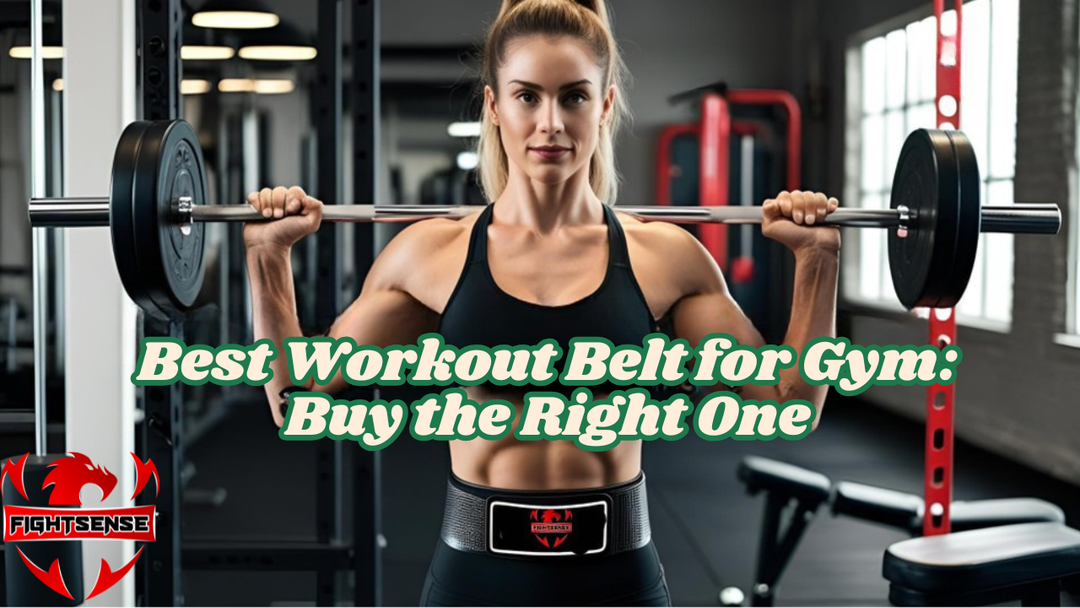
Best Workout Belt for Gym: Buy the Right One
Workout Belt — do you really need one to lift heavier, or is it just gym hype? A Workout Belt can instantly change how stable you feel under heavy weights, but most lifters use it completely the wrong way. Before you buy or wear one, there are a few things that can make a big difference in your strength, safety, and progress.
This guide reveals what most gym-goers don’t realize about lifting belts, and how choosing the right one can quietly level up your performance.
Key Takeaways:
- A Workout Belt doesn’t make you stronger—it helps you use your strength more efficiently under heavy loads.
- Proper breathing and core bracing matter more than the belt itself for safe and powerful lifting.
- Wearing a belt at the wrong time can slow down natural core development instead of improving performance.
- Different belt types (leather, nylon, lever) are designed for completely different training goals.
- The real benefit of a belt is confidence under heavy weight—not just physical support.
What's a Workout Belt?
A workout belt is a gym accessory that you use to give you support and stability when you are doing heavy lifting activities. It aids lifters in improving their core bracing, maintaining better posture and feeling more controlled during movements such as squats and deadlifts.
A Workout Belt by itself doesn’t make you stronger, but it does help you make better use of the strength you have when you’re lifting large weights.
Is Workout Belt Really Necessary or Just a Gym Trend for Heavy Lifters?
Truth is, it depends on your training. If you do mostly light weights, machines, or cardio, you don’t really need a Workout Belt. However, if you are consistently performing big compound movements such as squats, deadlifts, rows or overhead presses, a belt might actually be a useful support tool.
When you lift heavy your body is already creating internal pressure to stabilize your spine. And a Workout Belt provides your middle something firm to press against. It helps you to stay more controlled and balanced. That’s why many experienced lifters find it more secure and confident when they utilize it for their heavy sets.
What Actually Happens Inside Your Body When You Wear One?
A belt is thought by most people to simply “support” the back, but it actually operates in a more scientific fashion. As you take a deep breath , and tighten your core to brace yourself , your body increases something called intra-abdominal pressure . This makes your torso more secure , somewhat like inflating pressure inside a strong structure .
This additional stability helps stabilize your spine, enhance your posture, decrease needless movement, and allow for more effective force transfer when doing large lifts. But the belt itself does not accomplish the lifting. It only works if you have the right breathing and bracing technique. Otherwise, even the greatest belt won’t provide you the full advantage.
Could You Be Missing These Hidden Benefits?
The majority of people believe that a lifting belt is only for protecting the lower back.
The benefits actually go a lot further.
A well-fitting belt can give confidence when lifting.
Other key advantages are:
- Better core involvement
- Better lifting mechanics
- Increased confidence for large loads
- Improved spine support
- More consistency in strength training
- Better transmission of force throughout the entire body
Perhaps the greatest advantage is not even physical.
That’s crazy.
Confidence is a significant factor in strength training, and having steady support during tough lifts typically helps athletes perform at their best.
Have You Been Choosing the Wrong Type All Along?
One of the biggest mistakes buyers make is assuming every lifting belt is identical.
They're not.
Different designs serve different training styles.
|
Belt Type |
Best For |
Flexibility |
Support Level |
|
Leather Belt |
Powerlifting |
Low |
Excellent |
|
Nylon Belt |
General Fitness |
High |
Good |
|
Lever Belt |
Medium |
Excellent |
|
|
Prong Belt |
Everyday Strength Work |
Medium |
Very Good |
Choosing the correct type depends entirely on your goals.
How Experienced Lifters Actually Use a Belt in Training
In real life, in the gym, skilled lifters don’t wear belts for every single activity. Typically, they do their warm-up sets without it, so that their core muscles remain fully active and engaged, which helps build natural strength and stability over time.
When the weight gets heavier and they go into their working sets then they wear the belt to get added support and control. This balanced method allows individuals to exercise their body organically, but still use the belt as a tool for safer and more confident heavy lifting.
The Belt Mistakes That Are Holding You Back
- Always use a belt, even on isolated exercises
- Use the belt rather than fix the inherent mechanics of lifting
- Wrong size or bad fit
- Tightening it too tight and not allowing appropriate breathing
- Improper bracing and breathing method
- Belting before you learn good squat and deadlift form.
Can Wearing a Belt Make You Stronger
This is an issue widely discussed in gyms. The bottom line is, a belt does not make you stronger directly. Instead it provides a more solid and safe lifting stance which will help you perform better when lifting huge objects.
You have more support for your core and may focus more on generating power rather than counteracting your own weight. This often means better control, smoother movement and higher performance on heavy exercises such as squats or deadlifts. The improvement is really from better lifting mechanics not from the belt itself.
Is Every Expensive Belt Worth Buying?
Not always. Don't let the price alone make your gym equipment choice. The real question is whether the belt fits your training style, is durable and provides enough support for your lifts.
Also it should be comfy for lengthy sessions and have a robust buckle or lever that can take the test of time . A decent quality belt will last years, while inexpensive ones will lose form or break fast, making them a bad investment in the long term.
Why Are More Lifters Paying Attention to Build Quality?
The fitness business has exploded and today's lifters aren't just about appearances – they want equipment that can take intense training and not break or lose support. So elements like the stitching, the thickness of the material and the robustness of the buckle are more crucial now than ever.
Many sportsmen that have been around for a while now favor brands that are focused on longevity and performance over just design. Fightsense, for example, builds weightlifting and lever belts for hard-core training, comfort, support and longevity. Whatever the brand, build quality should always be a primary consideration.
How Can You Make Your Belt Last for Years?
Good equipment, well maintained.
The good news is that keeping a lifting belt in good shape is not difficult.
A few basic behaviors can go a long way in extending its longevity.
- Store in a cool dry place.
- Don’t roll it up and shove it inside your exercise bag.
- After you work out, wipe off your perspiration.
- Avoid submerging leather belts in water.
- Check the buckles, levers and stitching often.
These little behaviors assist keep the belt in shape and comfortable and make sure it performs overall for years.
FAQs:
1. When should I start using a lifting belt?
Once you are comfortable with proper form in squats, deadlifts, and other compound lifts.
2. Should beginners use a lifting belt?
Beginners should focus on technique first before relying on any support gear.
3. How tight should a lifting belt be?
It should be tight enough to brace against but still allow deep breathing.
4. Does wearing a belt weaken your core?
Not if used correctly and only for heavy sets; overuse can reduce natural core engagement.
5. How do I know my belt size is correct?
It should fit snugly around your waist without restricting proper bracing.
6. Can a belt prevent injuries?
It reduces risk during heavy lifts by improving stability, but it cannot fully prevent injuries.
7. Is a lifting belt necessary for muscle growth?
No, muscle growth depends on training and nutrition, not on wearing a belt.
Conclusion:
The finest workout belt is not about getting the thickest or most costly one, it's about finding one that best fits your training style, experience level, and fitness goals. Whether you’re doing large squats, deadlifts or just need some extra lower back support, the right Workout Belt may make your sessions more sturdy and confident.
An example of this change is brands like Fightsense that make robust, performance-oriented weightlifting and lever belts for the serious lifter. The real benefit is in learning how to use the belt successfully and being consistent with good technique, not just in possessing one.
Note:
This article is for general fitness education only. A lifting belt does not guarantee injury prevention or strength gains. Always focus on proper form and consult a qualified trainer if needed before using any gym equipment.