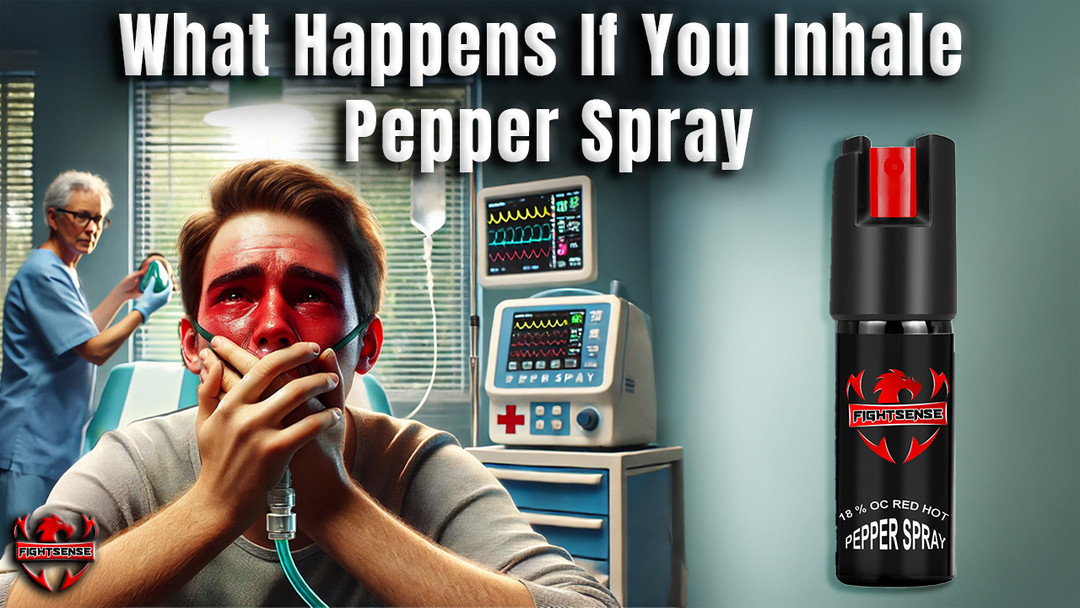
What Happens If You Inhale Pepper Spray? Tips for Relief
Pepper spray is a widely used self-defense tool, known for its powerful effects on the eyes, skin, and respiratory system. While most people understand its impact on vision, fewer know what happens if you inhale pepper spray.
This article will explore its effects on the lungs, throat, and overall respiratory system, along with ways to mitigate its impact.
Keynotes
-
Inhaling pepper spray can cause severe coughing, throat irritation, and breathing difficulty.
-
Pepper spray in the mouth leads to intense burning, nausea, and discomfort.
-
Rinsing with cold water and using milk or antacid solutions can provide relief.
-
Moving to fresh air and staying calm helps reduce the impact of inhalation.
-
Medical attention is necessary for individuals with severe respiratory reactions.
What Happens If You Inhale Pepper Spray?
Inhaling pepper spray can cause immediate respiratory distress. Oleoresin Capsicum (OC), the active ingredient in pepper spray, is an inflammatory agent that triggers severe coughing, shortness of breath, and a burning sensation in the throat and lungs.
The severity of these effects depends on the concentration of OC and the duration of exposure. People with asthma or other respiratory conditions may experience more severe reactions.
What Happens If You Inhale Pepper Spray in an Enclosed Space?
If you are wondering what happens if you inhale pepper spray in an enclosed space, the irritant can remain in the air longer and make breathing uncomfortable. You may notice persistent coughing, a scratchy throat, watery eyes, chest discomfort, or a feeling that you cannot take a satisfying breath. Leaving the contaminated area is important because continued exposure can prolong these symptoms. Once you reach fresh air, avoid strenuous activity and give your breathing time to return to normal. If symptoms become severe or do not improve, seek prompt medical care.
Effects of Pepper Spray in the Mouth
If you get pepper spray in your mouth, it can cause intense burning, excessive salivation, and difficulty swallowing. The compounds in OC irritate the mucous membranes, leading to an unbearable fiery sensation. Drinking water may help dilute the substance, but relief is often temporary. Milk or an antacid-based solution can be more effective in neutralizing the burn.
What Happens If You Get Pepper Spray in Your Mouth?
Pepper spray in the mouth can lead to nausea, vomiting, and an overwhelming sensation of heat. If swallowed, it may cause stomach irritation and temporary discomfort. It's important to rinse your mouth thoroughly with cool water and avoid inhaling deeply, as this could further irritate your airways.
How to Alleviate the Effects of Inhaling Pepper Spray
-
Move to Fresh Air – The best way to reduce the impact is to get to an open, well-ventilated area immediately.
-
Stay Calm and Breathe Normally – Panicking can make symptoms worse. Try to take slow, controlled breaths.
-
Rinse Your Face and Mouth – Use cold water to wash away any residue from your skin and mouth. Avoid rubbing your face.
-
Use Milk or Antacid Solutions – Gargling with milk or a diluted antacid solution can help neutralize the burning sensation in your mouth.
-
Avoid Touching Your Face – Touching your face with contaminated hands can spread the irritant and worsen the symptoms.
-
Seek Medical Help if Necessary – If breathing difficulties persist, especially for those with respiratory conditions, seek medical attention immediately.
Conclusion
Inhaling pepper spray can be a distressing experience. If you’re wondering what happens if you inhale pepper spray, it may cause severe coughing, throat irritation, and difficulty breathing. Getting pepper spray in your mouth intensifies these effects, causing a burning sensation and nausea. Understanding how to manage these symptoms effectively can help minimize discomfort and speed up recovery.
FAQs
1. What should you do after inhaling pepper spray?
Move to fresh air as soon as possible and avoid the contaminated area. Stay calm and allow your breathing to return to normal. If symptoms remain severe or worsen, seek medical care.
2. How long does pepper spray irritation last?
Pepper spray exposure usually causes temporary irritation, but the duration can vary with the amount inhaled and length of exposure. Coughing, watery eyes, and throat discomfort generally improve after leaving the area.
3. Can pepper spray damage your lungs?
Pepper spray can temporarily irritate the airways and cause coughing, wheezing, or shortness of breath. Severe or persistent breathing problems require prompt medical evaluation.
4. What helps with pepper spray burning in the throat?
Fresh air and gentle rinsing with cool water can help reduce irritation. Avoid rubbing affected areas, as this can spread the chemical irritant and increase discomfort.
5. Can you drink water after pepper spray exposure?
Yes, small amounts of cool water can help rinse and soothe an irritated mouth. Avoid swallowing contaminated residue and do not rely on drinking water if breathing problems are present.
6. Is pepper spray dangerous for people with asthma?
Pepper spray may trigger stronger respiratory symptoms in people with asthma or other breathing conditions. Anyone experiencing significant wheezing, chest tightness, or difficulty breathing should get medical help promptly.
7. When should you seek medical attention after pepper spray exposure?
Seek immediate medical attention for persistent breathing difficulty, severe wheezing, chest pain, fainting, or symptoms that continue to worsen after leaving the exposure area.
Disclaimer
This article is for informational purposes only. The effects of pepper spray may vary based on individual health conditions. Always follow local laws regarding the use and handling of pepper spray. Seek medical attention if symptoms persist or worsen.