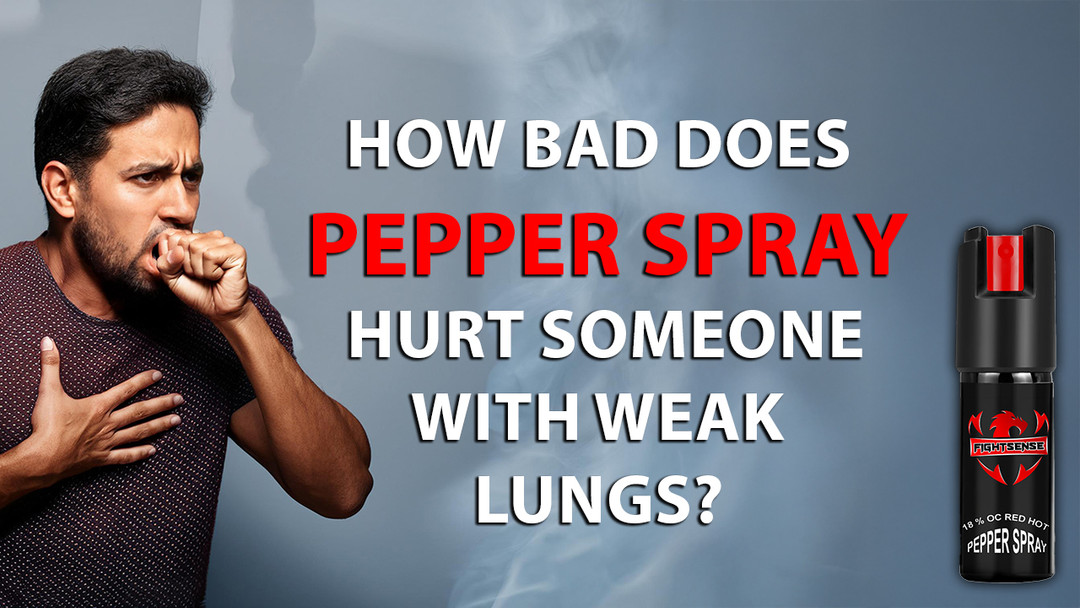
How Bad Does Pepper Spray Hurt Someone With Weak Lungs?
Refreshed in November 2026, this guide brings the latest safety perspective to a serious question about defensive sprays and respiratory health. Pepper spray is a popular self-defense tool, but it can have severe effects, especially for individuals with respiratory vulnerabilities. For those with weak lungs, understanding the potential risks is crucial. This blog delves into how bad pepper spray hurts someone with weak lungs, offering insights into its impact and ways to mitigate harm.
Keynotes
- Pepper spray can cause severe breathing issues for those with weak lungs, including coughing, wheezing, and asthma attacks.
- Individuals with weak lungs may experience prolonged respiratory pain and a higher risk of complications.
- Move to fresh air, rinse with cold water, use prescribed medications, and seek medical help if symptoms worsen.
- Avoid carrying pepper spray if at risk; opt for alternatives and ensure proper storage to prevent accidental exposure.
What is Pepper Spray?
Pepper spray is a non-lethal self-defense weapon that uses capsaicin, the active ingredient in chili peppers. When sprayed, it irritates the eyes, skin, and respiratory system, causing temporary incapacitation. While it is generally safe for short-term use, individuals with pre-existing health conditions, particularly weak lungs, can face heightened risks.
How Pepper Spray Affects Breathing
For people with healthy lungs, pepper spray causes temporary respiratory discomfort. However, for those with weak lungs or conditions like asthma or chronic obstructive pulmonary disease (COPD), the effects can be more pronounced:
- Intense Coughing: Pepper spray irritates the airways, triggering severe coughing fits that can make it difficult to breathe.
- Bronchoconstriction: The spray can cause the airways to narrow, leading to wheezing and shortness of breath.
- Mucus Overproduction: The body reacts by producing excess mucus, further obstructing airflow.
- Potential Asthma Attack: For asthma sufferers, exposure to pepper spray can trigger a life-threatening asthma attack.
Severity of Pain for Weak Lungs
The pain and discomfort caused by pepper spray are amplified for individuals with weak lungs. The respiratory irritation is more intense, potentially leading to:
- Chest Tightness: A feeling of constriction in the chest, making breathing excruciatingly painful.
- Prolonged Discomfort: The recovery time from respiratory distress may be longer than average.
- Increased Risk of Complications: In severe cases, exposure can result in hospitalization due to respiratory failure or other complications.
How to Respond if Exposed
If you or someone with weak lungs is exposed to pepper spray, follow these steps to minimize harm:
- Leave the Area: Move to fresh air immediately to avoid further exposure.
- Rinse the Face: Use cold water to wash away the spray from the eyes and skin. Avoid using soap as it can spread the irritant.
- Calm the Breathing: Try to breathe slowly and deeply. Panic can exacerbate respiratory distress.
- Use Medications: For those with pre-existing conditions, use prescribed inhalers or medications to relieve symptoms.
- Seek Medical Attention: If symptoms persist or worsen, consult a healthcare professional immediately.
Preventive Measures
To minimize the risks associated with pepper spray:
- Avoid carrying pepper spray if you have weak lungs. Instead, explore alternative self-defense tools.
- If you must carry pepper spray, ensure it is stored securely to prevent accidental exposure.
- Educate yourself about the local laws regarding pepper spray usage and possession.
Get Yours Now!
FightSense Guidance for People With Sensitive Lungs
As of 2026, FightSense continues to remind carriers that understanding pepper spray weak lungs interactions is essential before choosing any defensive spray. The pepper spray respiratory effects can be far more intense for pepper spray lung patients than for healthy adults, and anyone weighing pepper spray asthma risk or pepper spray COPD risk should consult a clinician first. Documented cases of pepper spray breathing problems and pepper spray breathing difficulty after accidental exposure show why fragile airways deserve extra caution, and reports of lasting pepper spray lung damage underline that misuse can carry real consequences.
If you decide to carry, start with the FightSense pepper spray store to compare lower-strength options, study the responsible pepper spray ownership guide for storage and handling basics, and consider pepper spray alternatives for sensitive lungs such as personal alarms when sprays are unsafe for you. Keep a rescue inhaler accessible, store canisters away from heat and out of children's reach, and rehearse drawing the device so you can deploy it without exposing yourself.
Finally, remember that responsible carry means protecting yourself without endangering others. Check wind direction before any use, keep the canister's safety engaged until needed, and replace expired units on schedule so the spray performs as intended.
Conclusion
Pepper spray can be incredibly harmful to individuals with weak lungs, causing severe respiratory distress and prolonged pain. While it remains an effective self-defense tool, understanding its risks and knowing how to respond to exposure is essential, especially for those with respiratory vulnerabilities. Always prioritize safety and take preventive measures to reduce potential harm.
Frequently Asked Questions
Can pepper spray cause permanent lung damage in someone with weak lungs?
Permanent damage is uncommon, but it is not impossible. People with severe asthma, COPD, or other chronic lung diseases may suffer prolonged inflammation after heavy exposure, and in rare cases this can worsen their baseline condition. Most healthy individuals recover fully within hours. Anyone with a lung condition who is exposed should seek medical evaluation promptly.
What should someone with asthma do immediately after pepper spray exposure?
Move to fresh air right away and try to stay calm, since panic tightens the airways further. Use your prescribed rescue inhaler as directed, rinse your face and eyes with cold water, and remove contaminated clothing. If wheezing, chest tightness, or shortness of breath does not ease quickly, call emergency services or go to urgent care.
Is it safe for a person with COPD to carry pepper spray?
It is generally not recommended. COPD narrows the airways and reduces lung reserve, so even a small accidental exposure can trigger severe coughing, wheezing, or a flare-up requiring medical care. Safer alternatives such as personal alarms or whistles provide protection without respiratory risk. Discuss your specific situation with your doctor before carrying any spray.
How long do breathing problems from pepper spray usually last?
For most people, coughing and throat irritation fade within 30 to 60 minutes once they reach fresh air. Individuals with weak lungs may need several hours to feel normal again, and some experience lingering chest tightness for a day or more. Symptoms that worsen instead of improving, or that do not respond to prescribed medication, deserve immediate medical attention.
Can bystanders with lung conditions be harmed by someone else's pepper spray?
Yes. Pepper spray drifts on air currents, and bystanders downwind can inhale enough to trigger coughing, wheezing, or an asthma attack even without being the target. People with known lung conditions should move upwind and away from any deployment immediately. If you carry spray, be aware of who is around you before using it.
What are safer self-defense options for people with weak lungs?
Personal alarms, whistles, and tactical flashlights deter attackers without affecting the airways. Stun devices and safety pens also avoid respiratory irritants entirely. Whatever you choose, learn how to use it confidently and check your local regulations. Pairing a non-spray tool with situational awareness gives strong protection while keeping your lungs safe.
Disclaimer
This blog is for informational purposes only and does not constitute medical or legal advice. Always consult with a healthcare professional regarding health concerns and check local laws regarding pepper spray usage and possession.