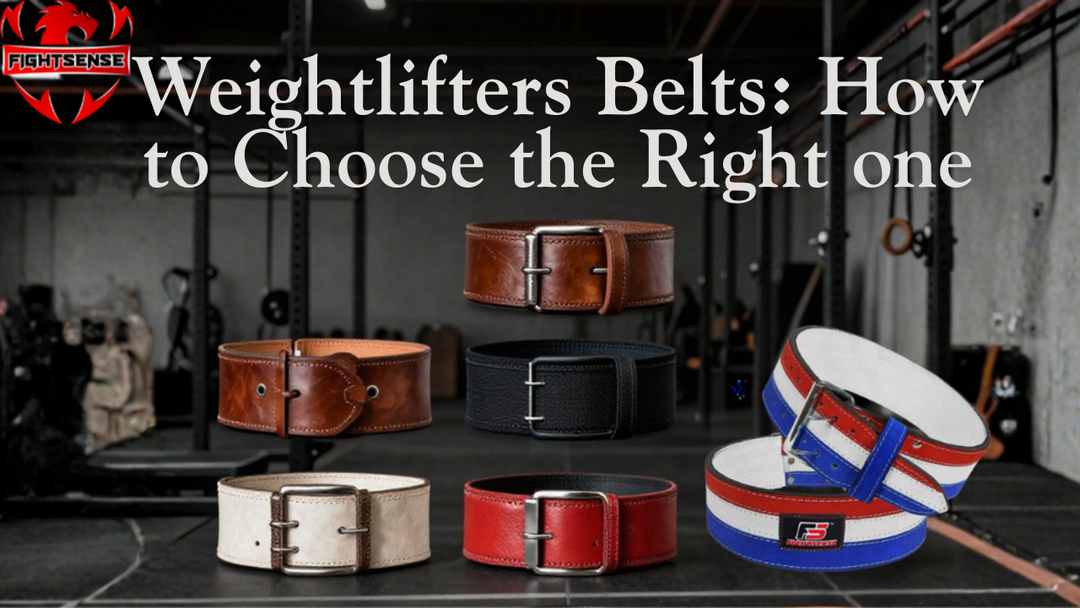
Weightlifters Belts: How to Choose the Right one
Weightlifters belts are an essential training accessory for lifters who want better stability, support, and control during heavy exercises. Whether you are performing squats, deadlifts, or strength movements, the right belt can help improve your lifting technique and confidence by supporting your core when the pressure increases.
Choosing the right lifting belt can be confusing because different materials, sizes, and designs are available. From leather belts to lever belts, every option has its own benefits. In this guide, we will explore the types, benefits, and buying tips to help you choose the perfect belt for your training goals.
Key Takeaways:
- Build stronger lifts with the right weightlifting belt support.
- Boost stability and confidence during heavy training sessions.
- Pick the perfect belt based on comfort, fit, and goals.
- Train smarter by using support without depending on it.
- Invest in quality gear for long-term strength progress.
What Are Weightlifters Belts and Why Do Lifters Use Them?
Weightlifters belts are training equipment that provide added support and stability for big lifts like squats, deadlifts and other compound movements. They allow lifters to keep a better posture, and the core muscles can brace better under strain.
A decent belt doesn’t pick up the weight for you, it supports your body in a hard workout. Many lifters utilize belts to get:
- Enhanced core stability
- More confidence in lifting
- More control in heavy settings
- Additional help when strength training
The lifting belt is a tool to help you enhance your performance during training, not a replacement for good form and technique.
How Weightlifter Belts Can Improve Your Training Performance
It’s a question often asked by gym-goers: does a weightlifting belt genuinely make you stronger?
The answer is that a belt doesn’t instantaneously make you stronger. Instead, it might boost your performance by keeping you stable and concentrated through tough exercises.
When you make forceful motions, your abdominal muscles contract strongly to generate pressure and maintain your body position. A supporting belt might allow you to apply the pressure more effectively.
Key Benefits of Using a Weightlifting Belt
More trunk support for heavy lifts
You have to control your entire body to do heavy squats and deadlifts. Quality weightlifting belts can eliminate unwanted movement and promote improved lifting mechanics.
More Confidence With Heavy Weights
A hefty lift is not just a physical one. It’s a confidence one too. A dependable piece of equipment might make you feel more confident when you are attempting hard sets.
Consistent Training
You can perform your exercises with better technique when you feel supported by your body.
A belt works best when used in conjunction with appropriate training, good breathing and perfect lifting form.
Which Weightlifting Belt Should You Choose?
You can’t have the same belt for all lifters. The best option for you will depend on your training goals, experience and comfort.
Leather Weight Lifting Belts
Leather belts are well-liked. They are durable and sturdy. They are often utilized by strength athletes, powerlifters and lifters who train with high weights.
With proper care, a fine leather belt may provide solid support for years.
The Lever Belts
Lever belts have a metal lever system for quick tightening and easy adjustment. They suggest:
- Quick Install
- Strong support
- Stay steady
Many lifters like to use lever belts for heavy training since they are convenient and secure.
Nylon exercising straps
Nylon straps are lighter and more flexible than leather straps. They are great for beginners, general workouts, and lifters who want comfort.
They may not be the most stiff support but are comfortable to wear for routine gym workouts.
How to Pick the Right Weightlifting Belt
Choosing the proper weightlifters belts is not only about the most expensive alternative. The belt should fit your workout needs.
Things to consider before purchase:
Quality of materials
The material influences comfort, durability and support. Nylon is usually more pliable and leather more stiff.
Width and Thickness of the Belt
A broader belt usually provides more support for heavier activities. Your choice depends on your body type and workout approach.
Comfort Level
The belt should be tight, but it shouldn’t hinder your breathing or movement.
How Do You Measure to Find the Perfect Belt Size and Fit?
A big error lifters make is picking the wrong size.
A belt that is too loose may not give enough support while a belt that is too tight can be difficult to wear.
When you are selecting weightlifters belts remember:
- How to measure your waist the right way
- Follow the size guide
- Be sure that you can breathe easily
- Don't choose size by appearance
The key to a good fitting belt is that it should be supportive and not unpleasant.
When Should You Wear a Weightlifting Belt?
Many novices ask: Do I have to wear my belt for every exercise?
Usually, no.
A lifting belt is especially useful for activities where your core is under heavy demands, such as:
- Squatting
- Deadlift
- Thick rows
- Compound Strength Exercises
Many lifters like to do warm up sets and lighter workouts to build natural strength without a belt.
Weightlifters belts are meant to offer assistance when you need it not to be something you depend on for every lift.
Leather vs Lever Belts: Which One Is Better?
Both leather and lever belts have their own advantages. The better option depends on your goals.
|
Feature |
Leather Belt |
Lever Belt |
|
Support |
High |
High |
|
Adjustment Speed |
Medium |
Fast |
|
Best For |
Strength-focused training |
|
|
Comfort |
Depends on design |
Consistent fit |
|
Durability |
Long-lasting |
Long-lasting |
Leather belts are often chosen by lifters who want a traditional feel, while lever belts are preferred by those who want quick adjustments and strong locking support.
How a Belt Helped Me Improve My Lifting Control
As I started to up the weight in strength training, I noticed that the hardest problem was not necessarily strength but control and stability.
I did find that with greater loads, my posture got less consistent, and with heavier squat workouts. As soon as I got better at bracing and wore a supporting belt, I felt a lot more in control of what I was doing.”
The belt didn’t make the weight seem lighter. Instead it enabled me to focus on technique and have a better body position.
This experience taught me that weightlifters' belts function best when utilized as a training aid, not a shortcut.
Why Do Lifters Choose Fightsense?
When you’re looking to buy training equipment, quality and reliability are important. You wear a belt for tough workouts, comfort and durability are crucial.
Fightsense is a fitness brand specializing in weightlifting belts and lever belts for people who seek practical support in their training.
Many lifters choose equipment based on comfort, performance and long-term use. The correct workout clothing should fit your regimen and keep you consistent.
What Mistakes Do You Need to Avoid When Purchasing a Belt?
- Don’t buy just on price – look for quality, durability and support.
- Wrong size – If it’s not the right fit, it won’t be comfortable or effective.
- Forget the material quality – choose a belt that fits your workout needs.
- Poor Lifting Form – Proper lifting form is always crucial.
- Use it for every workout, but use it strategically for when you need that extra assistance.
FAQs:
1. Are weightlifting belts helpful for beginners?
Yes, as novices learn appropriate form and begin harder exercise.
2. Do belts add to your lifting strength right away?
No, they add support and technique, not real strength.
3. How tight should you wear a weightlifting belt?
It should be secure enough for support but still enable good breathing.
4. How long does a good lifting belt last?
With the right care, a good belt can last many years.
5. Can a belt substitute for an appropriate lifting technique?
No, a belt promotes good technique, but it cannot substitute good technique.
Concluding Thoughts:
The correct weightlifters belts can make a huge difference to your training, providing improved support, stability and confidence during large lifts.
The best belt isn’t just the most popular one. It should match your goals, level of comfort and workout style.
Choose between leather, nylon, or lever; but whatever you choose, look for quality, fit, and durability. A decent lifting belt can be a great training partner and assist you to improve with more control and confidence.
Disclaimer:
This content is for informational purposes only and is not a substitute for professional fitness advice. Always use proper technique when training.