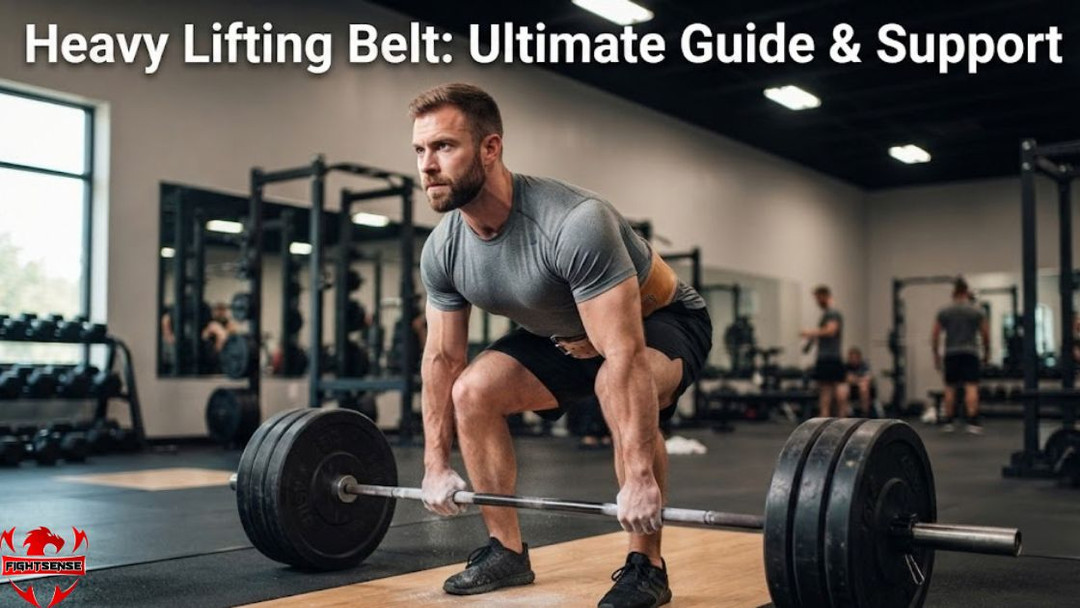
Heavy Lifting Belt: Ultimate Guide & Support
Heavy Lifting Belt users often wonder: can the right belt actually make heavy lifts feel safer and more controlled? As weights get heavier, many lifters discover that strength alone isn't enough—stability and proper support matter too.
So, how do you know if a lifting belt is right for you? In this guide, you'll learn how a Heavy Lifting Belt works, when to use one, and the key tips that can help you train smarter and safer.
Key Takeaways:
- A Heavy Lifting Belt improves stability and lifting control.
- Proper bracing is just as important as the belt itself.
- The right belt should match your training goals.
- A belt supports good form—it doesn't replace it.
- Smart training and quality gear deliver the best results.
What is a Heavy Lifting Belt and Why Do Lifters Use Them?
A lifting belt is a piece of training gear used to help support your core when you are doing heavy strength exercises. You’ll often see it utilized for exercises such as squats, deadlifts, and other compound lifts where you need your body to be as stable as possible.
The widespread misconception is that the belt does the lifting for you. In real life, it does not supplant your muscles or your technique. Instead, it helps you engage your core more efficiently, giving you superior control through the lift.
Used appropriately a Heavy Lifting Belt can assist lifters feel more confident when completing difficult actions and working toward strength goals.
Remember, it’s a support tool, not a shortcut.
Will a lifting belt actually increase your strength and stability?
A heavy lifting belt won’t suddenly make you stronger, but it can help you get there. If you want to lift more, a lifting belt can improve stability and control.
The major advantages are:
- More core consciousness
- Better stability for heavier lifts
- More Confidence Training
- Improved control and posture
For example, while you are doing a big squat, good bracing allows you to stay balanced and finish the activity with better control. Your core is supported by a belt, which provides something to press against.
The idea is to not rely on a belt but to use it as a tool to assist your training.
When to start using a lifting belt in training
Should you buy a belt for your very first workout? This is what many novices are wondering. It depends on their experience and training goals.
Before you start utilizing a belt, focus on building:
- Correct lifting form
- Core Stability
- Breath Properly
- Improved movement control
A belt is more effective when you start lifting greater weights and need extra stability during workouts like squats and deadlifts.
Equipment should support your growth, not replace your foundation. The ideal time to use equipment is when it helps you move forward.
How a Lifting Belt Supports Your Body During Heavy Lifts
When you do a big lift, it automatically creates internal pressure in your core to protect and support your spine.
A belt supports this bracing process by giving your core muscles something to brace against.
If worn properly, it will motivate you to:
- Squeeze your tummy muscles
- Maintain better posture
- Keep control of the movement
But the belt should never be uncomfortable or constricting respiration. It has to be supportive and safe.
A good fit allows you to train comfortably while retaining optimal movement.
Which Type of Heavy Lifting Belt Is Right for Your Workout Goals?
Different lifters need different types of support. The best choice depends on your experience level, workout style, and goals.
|
Belt Type |
Best For |
Support Level |
Main Benefit |
|
Leather Belt |
Heavy strength training |
High |
Maximum durability and stability |
|
Lever Belt |
Serious lifters |
High |
Quick adjustment and secure fitting |
|
Nylon Belt |
Beginners and general workouts |
Medium |
Comfort and flexibility |
Leather options are often chosen by athletes who focus on strength training because they provide a firm feel.
Lever belts are popular among regular lifters because they can be adjusted quickly and maintain a consistent fit.
How Can You Choose the Perfect Lifting Belt Size and Fit?
One of the most critical factors of buying a belt is getting the right size.
Consider before you decide on one:
- Size: The belt should fit comfortably around your waist, but not too tight.
- Width: A wider shape may offer more support with heavier motions, while a narrower version may feel more flexible.
- Materials: Leather feels harder, whereas other materials could feel more comfortable and allow greater movement.
- Style: Buckled: There are advantages to alternative buckle systems. Lever designs are popular because they can be quickly adjusted.
The best belt isn’t the most expensive one; it’s the one that fits your training needs.
Mistakes People Make With Lifting Belts
Even good equipment might underperform if not used properly.
Commonly made mistakes are:
Use it for every exercise session: A weightlifting belt is especially effective for heavier motions. It is not necessary for every machine session or light workout.
Too tight in it: It should support your body, not crush your breathing.
Disregard for Technique: Belts don’t correct bad form. Don't forget about proper lifting habits first.
Wrong Type: A beginner and an expert powerlifter may not require the same belt.
Knowing what you want will help you make a good choice.
How the Perfect Belt Transformed My Heavy Training
As I began to add weight to my workouts, I discovered something fascinating. The major problem wasn’t necessarily the weight itself, but being able to keep complete control when the lift got tough.
In heavy sets, slight missteps in breathing or posture can turn an exercise into a lot more work.
Proper bracing and the use of the correct support equipment allowed for more regulated training. The belt didn’t substitute strength or effort, but it made me feel steadier and more confident during tough lifts.
That encounter was an excellent lesson to me that good equipment is best used with good technique.
Why Are Lifters Looking to Fightsense?
Lifters today want their gear to be comfortable, durable, and work well.
Fightsense provides exercise gear, including weight lifting belts and lever belts for the serious trainer.
Lifters commonly search for the following in their training gear:
- Well-bred
- Enjoyable design
- Dependable support
- Longevity across time
The appropriate gear will match your training approach and keep you consistent.
How Can You Train Safely While Using a Lifting Belt?
Choosing the right lifting belt is vital, but using it properly is equally important. Here are a few easy guidelines to keep you safe and achieve the greatest results:
- Get a good warm-up before heavier lifts.
- Breathe and brace correctly.
- Use the belt sparingly for powerful complex movements.
- Be sure the belt is tight, but not so tight that it restricts movement.
- Don’t make rapid jumps, increase weight gradually.
- Make sure you have the right form down before pursuing bigger numbers.
Belts can provide great support, but safe training always starts with solid technique, logical progression, and continuous practice
Shop Now!
FAQs:
Will a lifting belt help my lifting technique?
A belt can help with improved bracing, but technique still comes first.
Do I have to use a belt throughout every strenuous workout?
No, strategically when you need additional support.
How can I tell whether my belt is adjusted correctly?
It should be secure but allow for comfortable breathing and mobility.
Can you substitute core work with belt training?
No, it supports your core but doesn’t substitute for strength growth.
When should I switch to a more powerful belt?
As you get heavier in your workout and your present belt no longer offers enough support.
Conclusion:
A decent lifting belt can be a significant part of a strength training routine if utilized correctly. This can help you become more stable, confident, and in control throughout hard workouts. Proper technique, continuous training, and sensible advancement will always be the most critical variables, nevertheless.
Whether you’re boosting your performance or updating your gym equipment, choosing the correct Heavy Lifting Belt may help you work out with better support and confidence.
Disclaimer:
This guide is for informational purposes only. Always use proper technique and consult a fitness professional before changing your training routine.