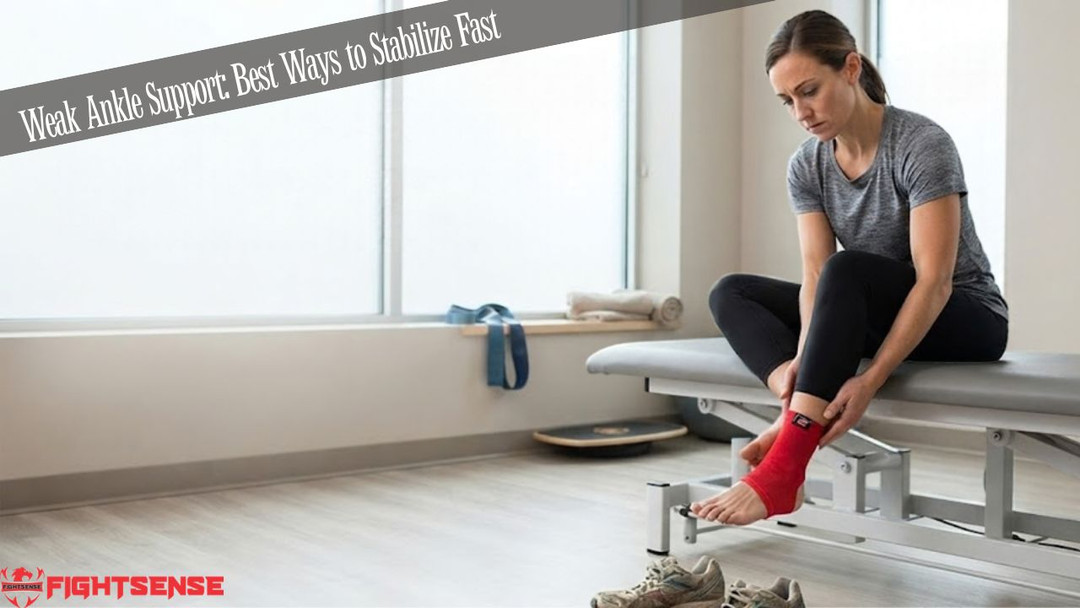
Weak Ankle Support: Best Ways to Stabilize Fast
Weak ankle support is essential when you experience that sudden, heart-dropping jolt of your ankle rolling outward on a curb or during a morning jog. But can the right gear truly prevent you from getting sidelined again? Whether you are battling the nagging echo of an old sports injury or dealing with everyday joint laxity, finding the right protection can quietly turn simple daily movements into a secure, confident experience. Let’s break down how you can reclaim total stability, bulletproof your joints, and move with absolute assurance.
Why Do Ankles Feel So Unstable and Weak?
To fix a problem, we first have to understand why it’s happening. Your ankle joint is a marvel of biological engineering—a delicate architectural balance of bones, cartilage, tendons, and ligaments designed to bear your entire body weight while navigating uneven terrain.
When you experience chronic instability, it usually stems from a few common culprits:
The Ghost of Sprains Past
If you've suffered a severe sprain or partial tear in the past and rushed back into action without proper rehabilitation, those stretched ligaments often heal in a lax, elongated position. This leaves the joint capsule loose, making re-injury much easier.
Ligament Laxity & Hypermobility
Some bodies naturally produce more elastic collagen, resulting in looser joints overall. While great for gymnastics or yoga, it can spell trouble for high-impact linear movements like running or sprinting.
Muscular Imbalances
Ankles don't stabilize themselves; they rely on the surrounding muscular network—specifically your calves (gastrocnemius and soleus), the shin muscles (tibialis anterior), and the outer lower leg stabilizers (peroneals). If these muscles are weak or dormant, the joint takes the brunt of every impact.
Footwear Choices
Shoes lacking proper arch support, rigid heel counters, or adequate lateral containment can force your feet to compensate awkwardly, fatiguing your lower leg muscles prematurely.
What Are the Subtle Warning Signs That You Need Weak Ankle Support?
Ankles strap rarely give out without sending smoke signals first. Many people ignore early indicators until a full-blown rolling incident sidelines them for weeks. Are you experiencing any of these tell-tale signs?
- Frequent, minor ankle turns or "rolling" even on flat sidewalks.
- A dull, aching discomfort or stiffness wrapping around the joint after standing for long shifts.
- Persistent swelling or puffiness around the outer malleolus (ankle bone) by the end of the day.
- Hesitancy or a complete lack of balance when attempting single-leg drills, like putting on pants while standing.
- A sensation of looseness, clicking, or deep fatigue deep inside the joint structure.
How Can You Safely Keep Running and Training With Unstable Ankles?
If you love pounding the pavement or hitting the treadmill, the thought of hanging up your If you love running, you don't have to quit entirely; you just need a smarter approach to managing your training.
First, gear up with a breathable, adjustable Fightsense compression sleeve to stabilize the joint, stimulate blood flow, and control swelling without restricting your natural stride. Second, manage your training volume by avoiding rapid increases in distance or pace, and always spend 10 to 15 minutes warming up your calves and feet before jogging.
What Is the Right Protocol for Managing a Twisted or Sprained Ankle?
We’ve all experienced it: a clumsy misstep, a sharp flash of pain, and instant swelling. How you handle the first 48 hours following an acute ankle twist dictates how fast and strong your recovery will be.
Forget the old rigid guidelines and focus on modern recovery fundamentals:
- Immediate Compression: Wrap the joint gently or slip on a responsive weak ankle support sleeve to control internal bleeding and minimize fluid pooling.
- Elevation Above the Heart: Prop your leg up whenever you're resting to leverage gravity against inflammation and throbbing pain.
- Targeted Cold Therapy: Apply an ice pack wrapped in a cloth for 15 to 20 minutes every couple of hours during the acute inflammatory phase.
- Strategic Rest: Give the damaged ligaments time to knit back together by avoiding high-impact weight-bearing tasks for the first few days.
How Do You Choose the Best Weak Ankle Support for Your Specific Lifestyle?
Not all ankle supports are created equal. Walking into a store or browsing online can be overwhelming with countless options ranging from rigid hinged soft ankle braces to basic cotton tubes. To select the right gear, evaluate your specific needs against key performance metrics.
|
Support Type |
Best Suited For |
Mobility Level |
Key Advantage |
|
Basic Elastic Sleeve |
General fatigue, mild soreness, daily walking |
High (Full mobility) |
Breathable, comfortable for all-day wear |
|
Fightsense Adjustable Compression Sleeve |
Running, sports workouts, active rehabilitation |
High (Customizable fit) |
Targeted strap tension, breathable weave, optimal stability |
|
Rigid Laced Brace with Stays |
Acute severe sprains, heavy post-cast recovery |
Low (Restricted motion) |
Maximum mechanical restriction against rolling |
|
Neoprene Thermal Wrap |
Arthritic stiffness, cold-weather joint aches |
Moderate |
Retains therapeutic heat to loosen stiff tendons |
As outlined above, if your goal is maintaining active mobility during workouts, jogging, or long office shifts without feeling boxed in, an adjustable weak ankle support sleeve like those crafted by Fightsense strikes the ultimate balance between freedom and physical protection.
What Are the Most Effective Long-Term Exercises to Bulletproof Your Lower Legs?
Braces and sleeves are brilliant tools, but they act as your shield—not your permanent replacement for muscle strength. To achieve true, permanent joint stability, you must actively train the muscles guarding your ankles.
Incorporate these low-impact movements into your weekly routine 3 to 4 times:
- Single-Leg Balance Stands: Stand on one foot with your eyes open for 30 seconds, then challenge yourself by closing your eyes. This trains your neuromuscular system to make micro-adjustments instantly.
- Eccentric Heel Raises: Stand on the edge of a step, rise up on both toes, and slowly lower your heels down over 3 to 4 seconds. This builds tremendous tendon resilience in your calves and Achilles.
- Resistance Band Alphabet: Sit on the floor with your leg extended, loop a resistance band around your forefoot, and spell out the alphabet from A to Z using only your ankle movements. This hits every stabilization plane.
Conclusion:
Dealing with compromised joint stability doesn't mean you have to give up the active lifestyle you love. By understanding the root causes of joint laxity, integrating smart progressive exercises into your routine, and equipping yourself with versatile, breathable gear like Fightsense sleeves, you can take total control of your physical mobility. Protect your joints today, move with absolute assurance tomorrow, and keep chasing your fitness goals without looking back!
FAQs:
Can compression sleeves replace rigid medical braces after a severe injury?
No, compression sleeves are designed for mild instability and workouts, while severe sprains require rigid braces with mechanical stays.
Does cold therapy help chronic ankle instability or only acute sprains?
Cold therapy is primarily for acute inflammation, whereas chronic instability benefits more from ongoing strengthening exercises.
Are ankle sleeves safe to wear during sleep?
No, continuous compression overnight is unnecessary and can restrict healthy blood circulation to the foot.
Does running on treadmills reduce injury risk compared to concrete?
Yes, treadmills offer a softer, more uniform surface that absorbs impact better than hard concrete.
How long do elastic ankle sleeves typically maintain their compression?
High-quality sleeves generally retain their elasticity for three to six months with regular use and proper washing.
Do balance boards help prevent future ankle sprains?
Yes, proprioceptive training on unstable surfaces strengthens stabilizing muscles and improves reaction time.
Does body weight significantly impact joint stability during high-impact sports?
Yes, higher impact forces increase the demand on stabilizing ligaments and surrounding musculature during landing.
Disclaimer:
This article is for educational and informational purposes only and does not substitute for professional medical advice, diagnosis, or treatment. Always consult a healthcare provider for severe ankle injuries.