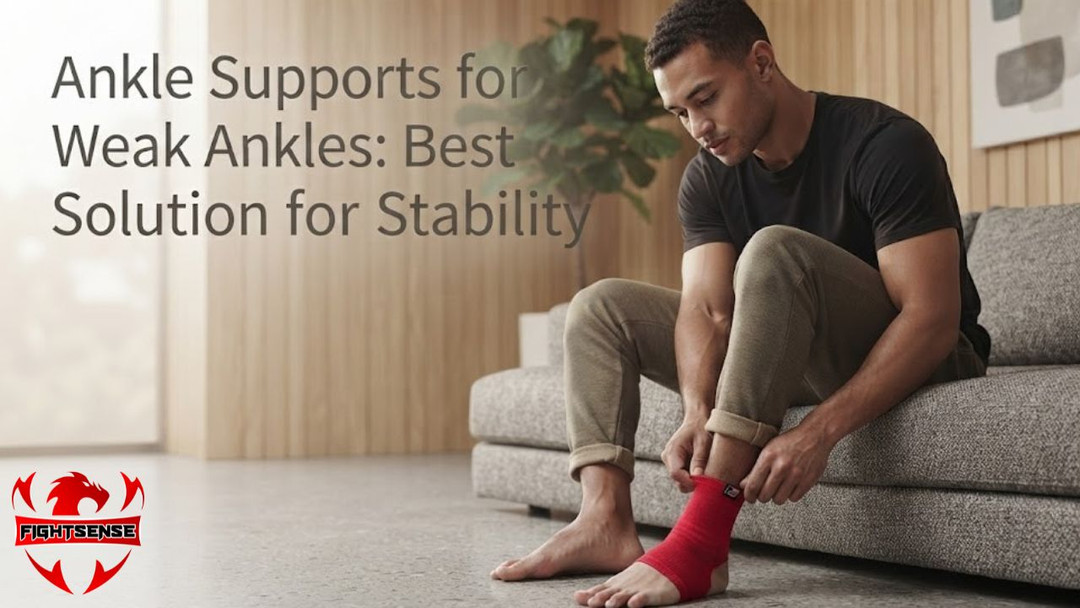
Ankle Supports for Weak Ankles: Best Solution for Stability
Ankle supports for weak ankles are often the silent difference between stepping out with total confidence and fearing that sudden, heart-dropping wobble on an uneven surface. If you are constantly second-guessing your movement or sitting out on activities because of unstable joints, you don't have to live on edge.
Whether you’re bouncing back from a nasty sprain, battling chronic instability, or simply trying to protect your joints during heavy workouts, the right gear changes everything. In this blog, we’ll uncover how the right support transforms your performance, keeps you safe from re-injury, and helps you move without fear.
Key Highlights:
-
Instant Stability: Ankle supports for weak ankles lock in crucial support to stop rolling and twisting.
-
Faster Healing: Right-fit braces reduce swelling and accelerate sprain recovery.
-
Smart Protection: Compression and rigid designs actively prevent high-impact re-injuries.
-
All-Day Comfort: Lightweight, breathable materials built for long, irritation-free wear.
-
Trusted Quality: Fightsense gear delivers maximum durability and elite joint protection.
What Are Ankle Supports for Weak Ankles?
Ankle supports for weak ankles are advanced orthopedic shields engineered to lock in stability and stop your joint from unexpectedly rolling or twisting. Whether you are dealing with chronic instability, pushing through an athletic recovery, or prone to sudden sprains, these supports act as your second line of defense.
A high-performance ankle support does more than just soothe pain—it restores natural fluid movement, accelerates tissue healing, and acts as an ironclad safeguard against future strain.
The Power of Protection: Core Benefits of Ankle Supports
-
Enhanced Joint Stabilization: Ankle supports for weak ankles lock down the joint, blocking those scary micro-movements that lead to sudden twists.
-
Effective Pain Management: Built-in compression targets swelling and inflammation to melt away daily joint discomfort.
-
Injury Mitigation: Restricts unstable motion, keeping you safe from re-injury while you're training hard or playing sports.
-
Facilitated Mobility: Gives you solid protection without making you feel stiff, letting you keep a natural range of motion.
-
Expedited Recovery: Delivers constant, steady pressure to minimize muscle strain and fast-track tissue healing.
-
Maximum Comfort: Lightweight, highly breathable, and fully adjustable so you can wear them all day without getting annoyed.
-
Prevention of Overexertion: Absorbs heavy impact and shields your ligaments when you're pushing your limits.
Why the Right Sprain Support Makes All the Difference
When you're dealing with a nasty ankle sprain, finding the right support isn't just an option—it's everything for a smooth comeback. A properly fitted brace locks down the stability you need, keeping your foot from making those sudden, accidental movements that set your healing back by weeks.
Whether you lean toward a snug compression sleeve or a sturdy rigid brace, locking in the correct level of support completely changes how fast and safely you bounce back.
-
Rock-Solid Stability: Locks the joint in place to keep you from aggravating the fresh injury.
-
Swelling Control: Targets inflammation head-on to help you get back on your feet quicker.
-
Balanced Flexibility: Gives you just enough give for daily movement without ever compromising safety.
-
Overexertion Shield: Acts as a safety net against pushing too hard too soon, drastically cutting down reinjury risk.
-
Boosted Circulation: Promotes healthy blood flow to fast-track tissue repair naturally.
How to Pick the Ideal Ankle Support for Your Lifestyle
Match the Support to Your Pain:
Start by figuring out what your ankle actually needs. If you're dealing with minor daily aches, a flexible compression sleeve is usually all it takes. But if you're managing chronic weakness or recovering from a major injury, stepping up to a structured brace gives you that crucial, firm protection.
Never Compromise on Comfort and Fit:
A great ankle support should feel like a natural extension of your foot—snug and secure, but never cutting off your circulation or digging into your skin. Always look for breathable, moisture-wicking fabrics that keep sweat away so you can wear it all day without going crazy.
Trust Proven Brands for Real Recovery:
Quality matters when it comes to joint health. Choosing trusted names like Fightsense ensures you get durable, well-engineered gear that actually holds up. The right support actively melts away swelling, eases lingering pain, and boosts blood flow to fast-track your healing.
Types of Ankle Supports: Which One Do You Need?
| Type of Support | Stability Level | Best For | Mobility / Flexibility |
| Compression Sleeves | Mild | Everyday wear, reducing mild swelling, joint warmth | High (Full movement) |
| Lace-Up / Soft Braces | Moderate | Sports activities, preventing sprains, mild instability | Medium (Controlled movement) |
| Rigid / Hinged Braces | Maximum | Severe weakness, chronic instability, post-injury recovery | Low (Strictly limits side-to-side rolling) |
Expert Tips to Maximize Your Ankle Support Results
-
Pair It with Proper Footwear: Even the best ankle support won't do its job if you're wearing worn-out shoes with zero arch support. Always wear your braces with supportive, properly fitted athletic shoes or walking sneakers to give your joint a stable foundation.
-
Don't Skip Strengthening Exercises: Ankle supports are fantastic for protection, but they shouldn't do all the work forever. Once the sharp pain subsides, incorporate physical therapist-approved movements—like single-leg balances, towel scrunches, and resistance band stretches—to build natural muscle strength around the joint.
-
Know When to Wash It: Because breathable compression sleeves and braces trap sweat and skin oils, they can harbor bacteria if neglected. Hand-wash your supports regularly with mild soap and let them air dry to maintain elasticity and prevent skin irritation.
-
Give Your Skin a Breather: Unless your doctor specifically tells you to wear a rigid brace 24/7, try to give your skin a break for a few hours while resting at home to maintain healthy circulation and prevent chafing.
The Smart Way to Transition from Rigid Gear to Lightweight Sleeves
As your ankle heals and your strength steadily returns, you shouldn't stay locked in heavy, restrictive gear forever. Pushing through your recovery means slowly dialing back the structured hardware so your natural muscles can wake back up and start doing their job again. Making the jump from a stiff, rigid stabilizer to a flexible compression sleeve prevents your joint from becoming overly dependent on external support. This gradual shift lets your ankle safely rebuild its own active stability while keeping you fully protected as you get back to your routine.
Conclusion:
Ankle supports for weak ankles are essential for anyone looking to maintain daily mobility and minimize the risk of rolling the joint. Whether you're navigating the final stages of recovery or managing chronic instability, selecting the right gear makes all the difference.
Investing in dependable equipment helps manage inflammation, protects against overexertion, and restores confidence with every step. Trusted names like Fightsense deliver reliable, durable options that balance targeted stabilization with everyday comfort, keeping your joints protected through every phase of recovery and activity.
FAQs:
1. How tight should a proper compression sleeve feel?
It should offer a firm, secure hold without restricting circulation or causing numbness.
2. Do low-profile supports fit inside standard footwear?
Yes, lightweight designs slip easily into regular athletic shoes without crowding the foot.
3. Can supports be worn during high-impact sports?
Yes, they provide lateral stability to prevent sudden rolling during pivoting and jumping.
4. Do skin sensitivities occur from daily wear?
They can if moisture is trapped; breathable fabrics and regular washing prevent irritation.
5. How long does a standard support last?
Quality options maintain integrity for six to twelve months depending on use and washing.
6. Are neoprene supports suitable for warm weather?
They trap heat for thermal compression, which can cause excessive sweating in hot conditions.
Disclaimer:
The content here is for informational purposes only and should not replace professional medical advice. Always consult a healthcare provider for the appropriate treatment of ankle injuries.