
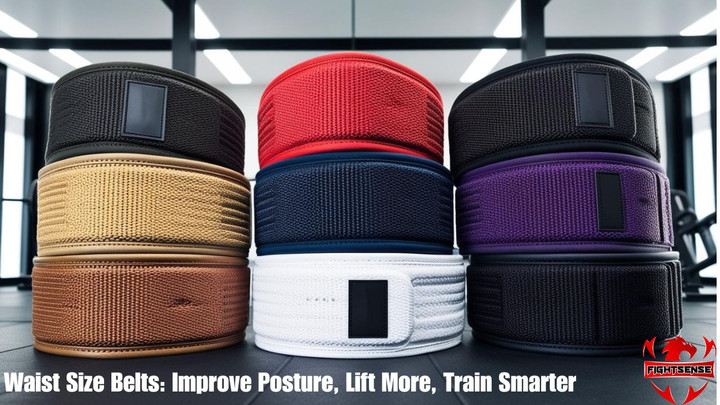
Waist Size Belts: Improve Posture, Lift More, Train Smarter
23rd Mar 2025
A waist size belt may not immediately come to mind when thinking about training equipment, but it can significantly enhance your performance. Whether you’re performing heavy lifts or seeking extra support, the right belt provides back support during squats, aids in waist training, and helps protect against injuries.
Key Highlights:
-
Important for posture, support, and injury avoidance during big lifts are waist-size belts.
-
Gym waist belts help to improve core activation and offer more stability.
-
Weight-based waist belts boost resistance, enhancing your muscle and endurance-building ability.
-
The correct waist trainer wrap belt helps shape the waist and increases sweating during exercise.
What is a Waist Size Belt?
Designed especially to support your lower back, abdominal muscles, and core, a waist-size belt is a tool. Whether a waist belt for weightlifting or a waist belt with weights, this instrument helps enhance posture, stability, and power throughout many exercises, particularly while lifting big loads or training intensely.You can customize these waist belts for men or women to fit you perfectly and provide the necessary support.
How do I choose the right waist size belt?
Your particular use will determine the appropriate waist size belt for you. Usually above your belly button, start by measuring your waist at its tightest point. To get your ideal fit, compare this measurement with the size chart of the brand.
Search for waist belts for the gym that provide comfort and flexibility during workouts. Whether you use a waist trainer wrap belt or a waist weight belt, make sure it fits snugly without limiting motion.
Why Investing in a Quality Waist Belt Matters:
Not all waist belts are created equal, and choosing a high-quality belt can make a significant difference in your training results. A well-made waist belt not only provides reliable support and stability but also lasts longer, maintains its shape, and performs consistently under heavy loads.
Investing in a belt with durable materials, reinforced stitching, and adjustable sizing ensures that it works effectively for your specific goals—whether that’s lifting heavier weights, improving core strength, or enhancing waist training. Beyond performance, a quality belt can also prevent discomfort or injuries caused by poorly fitting or low-quality belts, making it a smart choice for anyone serious about safe and efficient workouts.
Types of Waist Size Belts:
Waist Belt for Weightlifting:
Perfect for lifting, this belt helps lower back and core support to avoid strain and enhance posture during big lifts.
Waist belts with weights:
Waist weight belts help target your core and lower body muscles, thereby improving your strength training for those wishing to add resistance.
Waist Wrap Belt:
These belts help you lose extra water weight by perfecting waist training or increasing sweat output during aerobic exercises.
Waist Trainer Wrap Belt:
Designed to tone and shape, this belt produces sweat around the abdomen, therefore enhancing the smaller appearance when worn during exercise.
Benefits of Wearing a Waist Size Belt:
Wearing a waist size belt, whether for the gym or as a weightlifting belt, offers multiple benefits. It helps improve posture by straightening the spine and preventing slouching during demanding workouts. The belt also reduces strain on the back and core, lowering the risk of injury while lifting heavy weights.
Additionally, it enhances core engagement, providing greater stability and support for better performance. With proper fit and support, a waist belt can help you lift heavier, train longer, and achieve your fitness goals more efficiently.
How to Find the Right Waist Belt:
Fit:
Select a waist belt according to your gym or waist size such that it fits tightly around your stomach without restricting blood flow.
Material:
For long-lasting support, especially if you are lifting large weights, go for robust materials like leather or neoprene.
Adjustability:
Customizing the fit with adjustable belts helps you to maximize comfort and stability during your exercise.
Purpose:
Choose a belt depending on your degree of activity. Whereas a waist trainer wrap belt is perfect for waist slimming, a waist weight belt is a terrific choice for weightlifting.
Shop Now !
FAQs:
1. How tight should a waist-size belt be?
A waist belt should fit snugly to provide support, but not so tight that it restricts movement or breathing. You should still be able to move naturally.
2. Can I wear a waist belt for weightlifting?
Yes! A waist weight belt or gym waist belt helps support the lower back during heavy lifts, reducing the risk of injury.
3. What is the difference between a waist belt and a waist trainer?
A waist trainer wrap belt is designed to increase sweat and help shape your waist, while a gym or weightlifting waist belt focuses on providing support and stability during exercise.
4. Are waist belts only for lifting?
No. Waist belts can also be used for cardio, waist training, or adding extra resistance during bodyweight exercises.
5. Can I use a waist belt for everyday wear?
Yes. Some belts for men and women are suitable for daily use, providing posture correction or back support outside of workouts.
Conclusion:
A waist-size belt is a must-have for individuals who want more support for toning or lifting. It helps correct posture, steadies the back and core, and lowers injury risk. From waist belts for men to waist belts for women, selecting the correct belt catered to your demands will improve your exercise experience and increase your fitness outcomes.
Disclaimer:
This blog offers only broad information; it is not a replacement for professional guidance. Before using new equipment or beginning a new exercise program, always speak with a fitness professional or healthcare practitioner.