
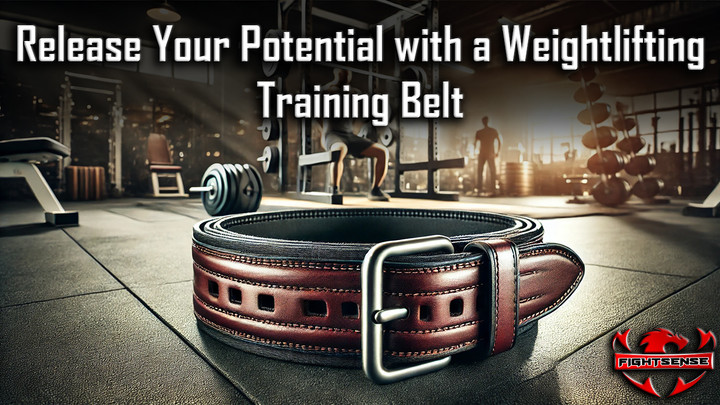
Release Your Potential with a Weightlifting Training Belt
15th Mar 2025
Weightlifting Training Belt is an essential accessory for athletes and fitness enthusiasts looking to enhance their performance and safety during workouts. Whether you are a beginner or an experienced lifter, choosing the right training belt can greatly improve stability, support, and overall lifting efficiency. With numerous options on the market, selecting the perfect belt can feel overwhelming. In this guide, we’ll explore the different types of training belts, their benefits, and how they can help you maximize your workouts.
Key Highlights:
-
Weightlifting Training Belt boosts stability and helps prevent injuries.
-
Improves posture and core engagement but doesn’t burn fat.
-
Choose based on exercise type, material, width, and closure.
-
Ideal for strength training, CrossFit, and powerlifting.
-
Supports heavy lifting but doesn’t replace core strength.
Benefits of Using a Weightlifting Training Belt:
A weightlifting training belt is a vital tool for anyone engaging in serious strength training. It provides essential core stability, supports the spine, and increases intra-abdominal pressure, enabling you to lift heavier weights safely.
Beyond just lifting more, a belt helps maintain proper posture and reduces the risk of lower back injuries during exercises like squats, deadlifts, and overhead presses. Whether you’re a beginner or an advanced lifter, incorporating a training belt into your routine can enhance performance, build confidence, and protect your body during intense workouts.
Does a Weightlifting Belt Improve Performance and Core Stability?
Many people wonder if using a weightlifting belt can help with weight loss or muscle toning. While it doesn’t directly burn fat, a belt significantly improves posture and boosts core activation during workouts. By stabilizing the torso,
it allows you to perform exercises like squats, deadlifts, and bench presses more effectively and safely. Over time, consistent use can enhance overall strength, endurance, and lifting efficiency while promoting proper lifting mechanics and reducing the risk of injury.
Choosing the Peak Support Training Belt:
Training belts can be found in numerous thicknesses, materials, and designs. Here are some considerations for you before you purchase:
-
While nylon belts provide comfort and flexibility, leather belts give exceptional strength and durability.
-
Wide enough to support your lower back and core, a weightlifting training belt must be.
-
Your choice of a buckle, Velcro, or lever closing will be guided by convenience and security.
-
Powerlifters typically pick stiff leather belts, while Olympic lifters select flexible belts allowing more movement.
Training with a waist belt against traditional lifting belts:
A training waist belt is somewhat different from a conventional weightlifting belt. Usually included in high-intensity training, CrossFit, and functional fitness regimens, it offers additional flexibility. These are lighter and more flexible than traditional belts designed largely for belt training in powerlifting.
Correct Application of a Waist Belt for Instruction:
Training from a waist belt demands more than just strapping it on. These rules can help you to maximize it:
-
Correctly position the belt over the hip bones to fit securely but not too tightly.
-
Breathe; then, before lifting, contract your core muscles.
-
Make strategic use of it to steer away from too dependent behavior. Wear the belt to build natural core strength only for heavyweight lifting.
-
Change for comfort: a well-fitting belt raises your lifts free from restriction.
Choosing the Right Weightlifting Belt for Different Workouts:
-
Powerlifting: Thick leather belt (10–13 mm) with lever or buckle closure for maximum support.
-
CrossFit: Flexible nylon belt with Velcro fastening for mobility during dynamic movements.
-
General Strength Training: Hybrid belt combining support and adaptability for varied exercises.
-
Provides stability, reduces injury risk, and enhances lifting performance.
Is Belt Training Necessary for Beginners?
Many times, newcomers ask whether they should start belt training straight away. Their aspirations for uplift will define the reaction. While lifting additional weight, a training belt becomes rather essential even for light activities. It can increase confidence, steadiness, and safety, therefore helping beginners to go faster on their road to development.
Shop Now !
FAQs:
1. Do I need a weightlifting belt for all exercises?
No, belts are mainly for heavy lifts like squats, deadlifts, and presses. Lighter exercises don’t usually require one.
2. How tight should it be?
Snug enough to support your core, but still allows full breathing and movement.
3. Can beginners use a belt?
Yes, it improves stability and confidence during heavier lifts, but shouldn’t replace core training.
4. Leather or nylon?
Leather offers maximum support for powerlifting; nylon is flexible for CrossFit or dynamic workouts.
5. Will it weaken my core?
No, used correctly, it enhances bracing and posture, complementing core exercises.
Final Thoughts:
For weight training, enthusiasts of strength would be better served investing in a belt. Whether your activity is bodybuilding, powerlifting, or CrossFit, the right belt can help you to exceed your boundaries while preserving a stable and protected core. Choose with information based on your needs and training method.
Disclaimer:
This content serves only as information; it does not replace professional fitness advice. See a trainer to ensure correct form and use before wearing a training belt.