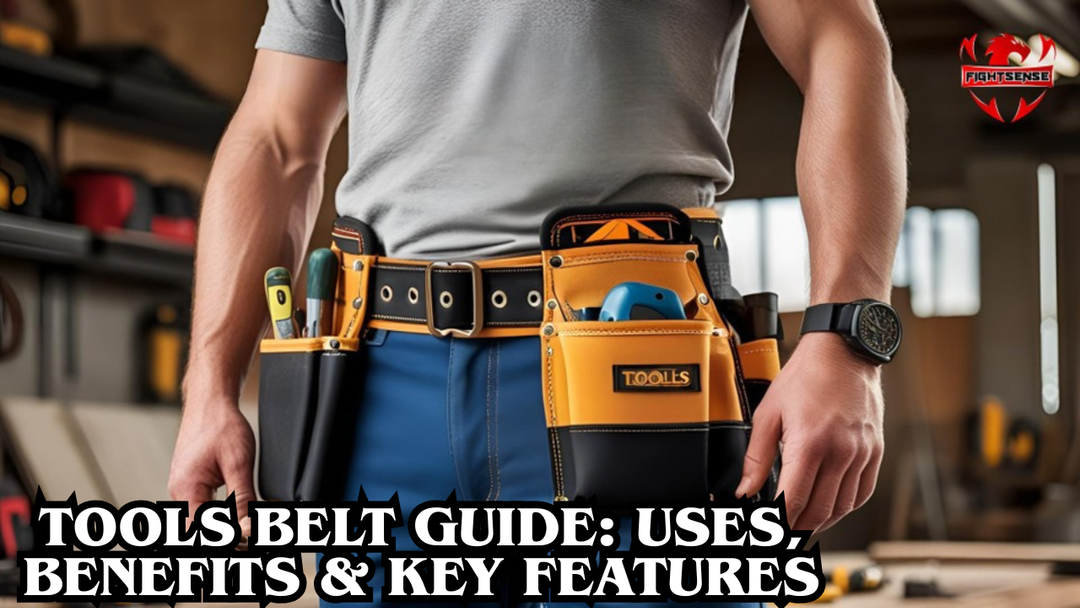
Tools Belt Guide: Uses, Benefits & Key Features
A tools belt is a practical accessory used in physically demanding work such as construction, maintenance, and general utility tasks. It helps users keep essential tools organized and easily accessible, improving efficiency and workflow on the job.
Professionals across different industries rely on tool belts to avoid repeatedly searching for equipment, allowing faster and smoother task completion.
Over time, Utility belt have become more durable and comfortable, with various designs and materials suited to different work environments and needs.
At Fightsense, we focus on providing simple, educational, and performance-driven content to help readers understand essential support gear and utility equipment more clearly.
Key Highlights:
- A tools belt turns workflow into efficiency by keeping every essential tool instantly accessible.
- Each profession demands a specific belt design tailored to its tools, intensity, and working style.
- True quality lies in balance—comfort, strength, and smart storage working together seamlessly.
- Even weight distribution plays a key role in reducing fatigue and improving natural movement.
- Consistent care and inspection significantly extend durability and long-term performance.
What Is a Tool Belt?
A tools belt is a belt system worn for carrying tools, accessories and equipment, allowing the user to move freely while working. These belts are generally worn at the waist and have different pouches, sections, hooks and holders to organise the tools in a good manner.
A Utility belt main function is to increase efficiency by minimising unnecessary motion and keeping equipment at hand. Workers doing hands-on jobs on a regular basis use tool belts to help them remain efficient throughout extended working hours.
Utility belt are most often connected with:
- building
- Woodwork
- Electrical maintenance
- Plumbing
- Mechanical repairs
- Home renovation projects
- Work settings in industrial
Each profession uses different tools . Tool belts come in specialised designs to suit the requirements of specific tasks and equipment.
History and Evolution of Tool Belts:
The idea of carrying tools around the waist is centuries old. In early days, artisans kept small leather belts or cloth bags to have basic tools at hand while working.
But as industries grew, so did the sophistication of tool belts. Manufacturers used tougher materials, better stitching and designs that offered several storage alternatives to improve longevity and comfort.
Today’s tool belts are not only designed to carry tools, but also improve balance, reduce strain and promote easier mobility during physically demanding labour.
Why Are Tool Belts Important?
A tool belt may appear to be a simple thing, but it can make a huge difference in your overall productivity and organization on the job.
Easier To Access
The main advantage of a tool belt is instant access to frequently used equipment. Workers can go to tools rapidly without stopping their workflow.
Better productivity
Tool belts can assist in keeping tools organised and accessible, which helps reduce downtime and boost productivity of tasks.
More Mobility
Having tools in your hands can limit your range of motion and be a hassle. A good fitting Utility belt allows more freedom of movement, whilst securing equipment.
Benefits of Investing in a High-Quality Utility belt:
Professional Utility belt is designed for long term use by casual and professional users.
- More structured
- Greater efficiency
- Increased mobility
- Quicker workflow
- Less physical effort
- More convenience while you work
- Higher productivity
A good quality belt can make a real difference to the work experience, particularly for those doing a lot of repetitive or hard activity.
Different Types of Tools Belts:
Different types of tools belts are used by different professions depending on their needs and job requirements.
- Construction Carpenter belt are built for carrying tools such as tapes hammers, nails, and drills and are heavy-duty with strong stitching and huge storage space.
- Carpenter Tool pouch belt with Pouches and Loops for Woodworking Tools and Fasteners.
- Electrician Utility belt contain specialised sections for screwdrivers, pliers, testers and wire cutters.
- Utility Belts are light weight and are good for general repair and maintenance jobs.
Key Features to Look in Tool Belt:
When choosing a tools belt there are a few crucial elements to examine carefully.
Fit & Comfort
An improperly fitted Tool pouch belt can cause discomfort and weariness. The straps are adjustable and the waist support is cushioned for more long-term comfort.
Memory Storage
The size and quantity of compartments should match the tools you use routinely.
Weight Breakdown
A decent Carpenter belt should distribute weight evenly to alleviate discomfort on the lower back and hips.
Durability
High-quality fabrics, reinforced compartments and strong stitching improve the belt’s longevity.
Fastening System Secure
Reliable buckles and adjustable closures help keep the belt stable in motion.
How to Wear a Carpenter belt Properly?
Proper use of a tool belt increases comfort and efficiency.
- Secure the belt tightly around the waist.
- Don’t overwhelm one side
- Keep frequently used tools nearby
- Balance weight distribution
- Secure any loose compartments to limit motion.
Good stance avoids strain and promotes overall equilibrium when working.
Tool Belt and Performance Support Equipment:
Different physically demanding tasks require different kinds of support gear. While tool belts are largely designed for the transport of equipment and to increase accessibility, there are other specific belts that are used to offer stability and physical support during activity that involves a lot of movement.
Weightlifting belt – a weightlifting belt is often used in fitness and training contexts to help maintain proper posture, enhance core stability, and provide extra support to your lower back during strength workouts.
Safety Tips When Using a Tools Belt:
Job site belt promote convenience but inappropriate use might generate discomfort or safety problems.
- Don't bear too much weight
- Check belts for deterioration on a regular basis
- Replace damaged buckles or stitching
- Keep sharp tools safely stored
- Keep weight distribution even
Using a well-maintained Job site belt adds safety and decreases undue physical stress.
Concluding Thoughts:
A tools belt is a must-have accessory that enhances organization, accessibility, and workflow efficiency in numerous professions and activities. Whether for construction and maintenance work, or home improvement projects, the correct Tool pouch belt may help make physically hard chores easier and more efficient.
Both professionals and active persons must understand the significance of having the right utility gear and support equipment. Fightsense continues to deliver critical information in the form of instructional content and performance-based tips to assist readers make informed judgements concerning support accessories, training gear, and practical performance equipment.
FAQs:
1: What makes a tools belt more efficient for daily work?
A good Tool pouch belt improves efficiency by keeping essential tools organized and within quick reach, reducing time wasted searching for equipment.
2: How do I choose the right size Job site belt?
Choose a belt that fits snugly around your waist with enough adjustment room to stay comfortable even when fully loaded.
3: Are expensive Job site belt always better?
Not always. Quality depends on material, stitching, weight distribution, and comfort—not just price.
4: Can a Tool pouch belt reduce physical strain?
Yes, if designed properly. Even weight distribution helps reduce pressure on the back and improves balance during work.